
US strike on Iranian warship tests India’s neutrality
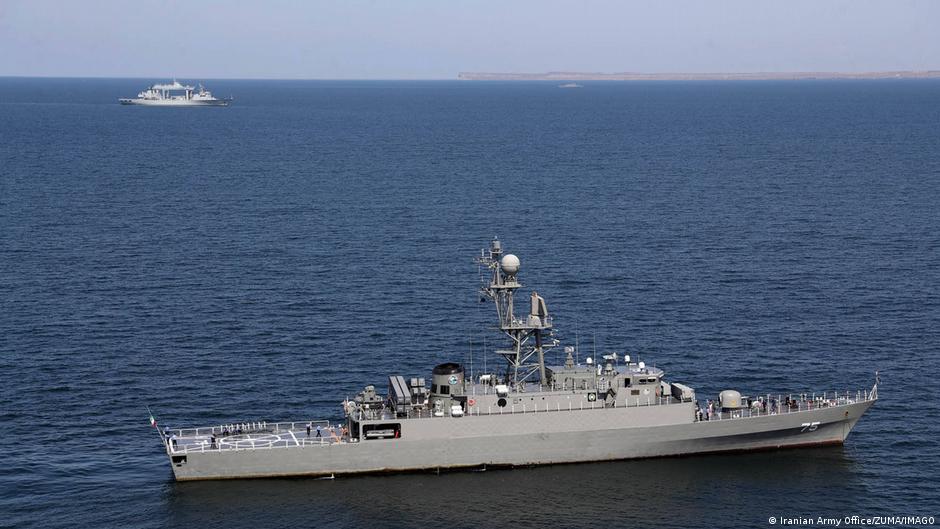
India’s Neutrality in US-Iran Conflict Under Scrutiny Following Submarine Attack
A US Navy attack submarine struck and sank an Iranian frigate, the IRIS Dena, in international waters near Sri Lanka’s southern coast, testing India’s diplomatic neutrality. The incident occurred on March 4, as the Iranian vessel returned from a multinational naval exercise, MILAN 2026, hosted by the Indian military. At least 87 sailors lost their lives in the attack, which escalated tensions between the US and Iran beyond the Persian Gulf.
The sinking sparked domestic criticism in India, with many noting that the Iranian ship had been a guest of the Indian navy during its visit. Despite taking place in international waters, the event unfolded in a region where India seeks to establish maritime dominance. Prime Minister Narendra Modi and his government initially remained silent, but Foreign Minister S Jaishankar later described the situation as an example of the “reality of the Indian Ocean.”
“When [Iranian sailors] set out and came here, the situation was totally different. They were coming in for a fleet review. And then they got, in a way, caught on the wrong side of events,” Jaishankar remarked.
India’s foreign policy has long emphasized restraint, avoiding direct confrontation with strategic partners even amid significant incidents. This approach has been consistent with its call for de-escalation in the Iran-US conflict. However, some critics argue that Modi’s silence appears to signal a lack of assertiveness, with opposition leaders accusing the government of being too accommodating to the US.
Rahul Gandhi, a rival of Modi, expressed frustration on X, stating, “The conflict has reached our backyard, with an Iranian warship sunk in the Indian Ocean. Yet the Prime Minister has said nothing. At a moment like this, we need a steady hand at the wheel. Instead, India has a compromised PM who has surrendered our strategic autonomy.” Meanwhile, Jaishankar highlighted the presence of multiple global powers in the Indian Ocean, including the US military base at Diego Garcia and Chinese vessels in Sri Lanka’s Hambantota Port.
To view this video please enable JavaScript, and consider upgrading to a web browser that supports HTML5 video. Opposition demonstrations outside parliament carried a banner reading, “India needs leadership, not silence,” demanding a parliamentary debate on the Middle East crisis’s impact. Rising fuel prices and the plight of Indians stranded in conflict zones have become focal points of this discussion.
Jaishankar informed lawmakers that India had provided emergency docking for three Iranian ships. “The crew is currently in Indian naval facilities, and we believe this was the right thing to do, with the Iranian foreign minister expressing his country’s thanks,” he added. The IRIS Bushehr, another Iranian vessel, sought shelter in Trincomalee port on Sri Lanka’s coast.
To view this video please enable JavaScript, and consider upgrading to a web browser that supports HTML5 video. India’s role in the crisis has also drawn attention to its ability to manage security in its neighborhood. While it does not have a formal mandate to patrol these waters, the incident raises questions about its influence in the region. Security analyst Commodore Uday Bhaskar noted that the attack highlights the US’s undersea warfare capabilities, stating, “Control of the oceans rests with those who wield the most advanced surveillance and underwater ordnance capabilities.”
Brigadier S K Chatterji, an Indian defense strategist, observed that the US’s unilateral actions, particularly under President Donald Trump, continue to challenge India’s regional standing. The episode underscores the delicate balance India must maintain between its strategic partnerships and its own interests in the Indo-Pacific.
