
Kenya braces as Middle East conflict escalates
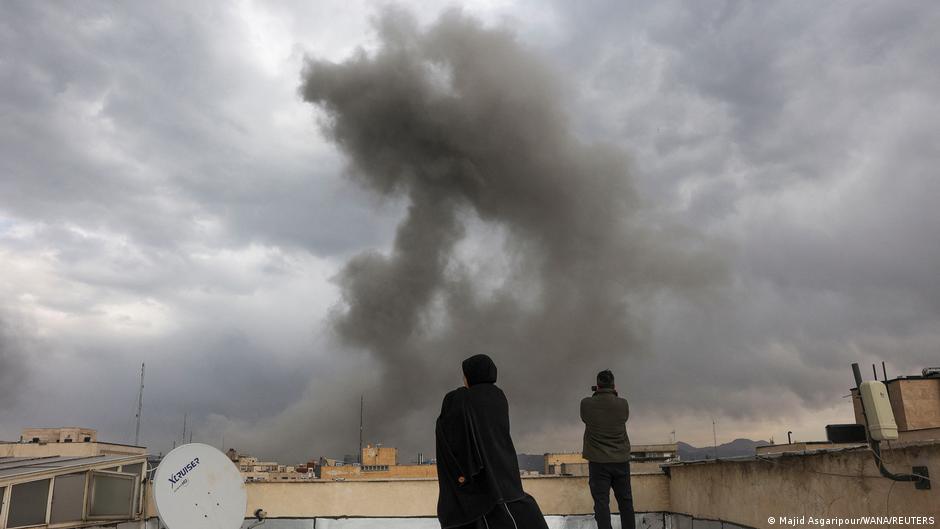
Kenya Braces as Middle East Tensions Intensify
With hostilities growing in the Middle East, Kenyan citizens are preparing for potential economic consequences, export interruptions, and the safety risks faced by over 400,000 workers in Gulf nations. President William Ruto, who previously urged calm and dialogue ahead of the US-Israel conflict with Iran, has now condemned the strikes targeting the UAE, Qatar, Saudi Arabia, Iraq, Oman, Kuwait, Jordan, and Bahrain. “Kenya strongly opposes the attacks in the evolving Middle East crisis,” Ruto stated on Monday. “The conflict’s spread into regional areas threatens global peace and security. We advocate for swift collaboration among all parties to reduce tensions.”
Tradition of Diplomacy Amid Uncertainty
Kenya has long championed peaceful dispute resolution and multilateral efforts. Yet, the government remains cautious in maintaining strong ties with Gulf allies, where Kenyans are employed and trade is vital. Opposition figures have expressed a blend of prudence and skepticism, with some questioning if Kenya’s readiness for economic repercussions is sufficient. Others demand clearer guidance on measures to protect Kenyans abroad.
Economic Links and Rising Costs
Analysts highlight Kenya’s deep economic and social connections to the Middle East despite its geographical distance. In Nairobi, a logistics entrepreneur named Vincent Kipngeno shared concerns over the early signs of the conflict. “We’re already sensing the pressure,” Kipngeno said, emphasizing how fuel price increases, driven by Middle East instability, “raise the cost of everything—transport, storage, and even air freight for horticultural exports.”
“Our trucks, cold storage, and flights all rely on fuel. When oil prices surge due to war, expenses hit us immediately. The real fear is the unpredictability,” Kipngeno added.
Similarly, Aisha Juma, a trader in Nairobi’s Eastleigh market—often called Little Mogadishu—noted the impact on local commerce. “Traders here feel the effects instantly when tensions rise in the Middle East,” she explained. “Kenya depends heavily on fuel from that region, and it powers nearly every sector, from transport to manufacturing.”
“When fuel prices climb, moving goods from ports to the capital becomes more expensive. This forces suppliers to raise prices, making everyday items costlier for Kenyan households,” Juma said.
Remittances and Job Security
Over 400,000 Kenyans reside and work in Gulf states such as Saudi Arabia, the UAE, and Qatar. These nations are critical for remittances that bolster household incomes and foreign exchange reserves. As tensions mount, families in Kenya are anxious about both immediate safety and long-term employment stability.
“Many of us track news daily because events here affect our livelihoods and safety,” said Peter Otieno, a construction worker in Riyadh. “Bombings in residential zones and hotels where we work create fears of job loss if operations slow or travel routes face disruptions.”
Uncertainty over shipping lanes and airspace has already sparked anxiety, with reports spreading swiftly through social media and WhatsApp groups. For businesses reliant on Gulf trade networks, the threat of escalation compels reevaluation of contracts, timelines, and costs, ultimately passing the burden to Kenyan consumers.
