
Iran war: Why is the South Pars gas field so important?
Iran War: Why is the South Pars Gas Field so Important?
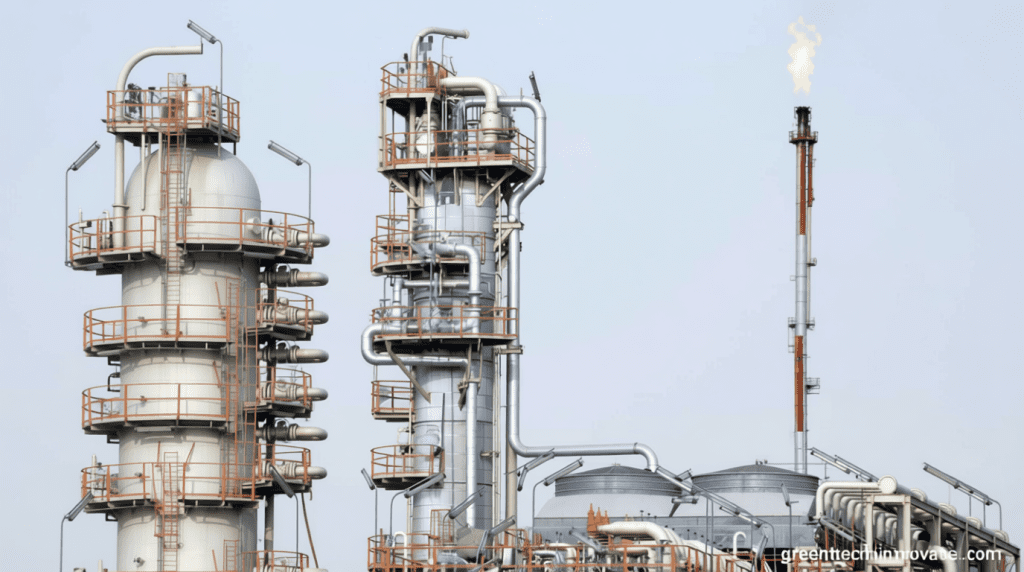
On March 18, Israel struck Iran’s South Pars gas field, causing alarm in global energy markets and raising concerns about potential conflict escalation. The assault targeted onshore refinery units and storage tanks in Asaluyeh, as well as offshore components linked to the field. In response, Iran retaliated with missile and drone strikes on Saudi Arabia, the United Arab Emirates, and Qatar’s Ras Laffan Industrial City, the world’s largest liquified natural gas (LNG) export hub. According to QatarEnergy, the state-owned operator of the site, the facility endured “extensive damage,” marking the first direct hit on an actual fossil fuel production site since the war began on February 28.
Until now, the US and Israel had avoided attacking Iranian production facilities to prevent retaliation. However, President Donald Trump’s recent statement on Truth Social hinted at a shift in strategy. He admitted ignorance of the specific strike but warned that Israel would not launch another attack unprovoked. Simultaneously, he cautioned Iran that the US would “massively blow up the entirety of the South Pars Gas Field” with unprecedented force if the country targeted Qatar again.
A Global Energy Shock
The strikes signaled a sharp escalation in the regional conflict, destabilizing energy markets and pushing oil prices to new heights. South Pars, a vital resource for Iran, is also central to international supply chains. It is part of a shared gas reservoir divided by a maritime boundary in the Persian Gulf, with Qatar’s North Dome field forming the other half. Together, these fields hold the world’s largest natural gas reserves, representing about one-third of global deposits.
“The attack was significant because it marked the first strike on their upstream facilities since the current war began,” noted Deutsche Bank analyst Jim Reid in a client update.
For Iran, the South Pars field is primarily a domestic issue. The nation relies on its own production to meet internal demand, with only a fraction exported to Iraq and Turkey. The field accounts for roughly 70% of Iran’s gas output and plays a major role in its economy, especially when combined with oil production. Disruptions could lead to energy shortages, rationing, and blackouts, despite Iran holding the world’s second-largest proven natural gas reserves after Russia.
Qatar, however, faces global repercussions from the damage. As the largest LNG supplier to Asia, the country depends on Ras Laffan’s operations, which contribute about 20% to the global LNG trade. The facility, operated in partnership with ExxonMobil, TotalEnergies, and Shell, also produces helium—a critical resource for semiconductor manufacturing and other industries. The attacks have further strained an already declining regional energy output, which has been impacted by the ongoing blockade of the Strait of Hormuz.
While Qatar may weather the repair costs, Iran’s financial strain from years of Western sanctions could hinder recovery. The war’s intensification threatens to prolong production shutdowns, even after the Strait of Hormuz reopens. Repairs to damaged infrastructure are complex and expensive, potentially delaying energy flows for months or years, and deepening the crisis for a market already in dire need of supplies.
With oil and gas prices surging following the attacks, the situation underscores how fragile global energy stability has become. The South Pars strike may not only reshape regional dynamics but also test the resilience of international markets under pressure.
To view this video, please enable JavaScript and consider upgrading to a web browser that supports HTML5 video.
