
Iran war: How long before Gulf nations stop pumping oil?
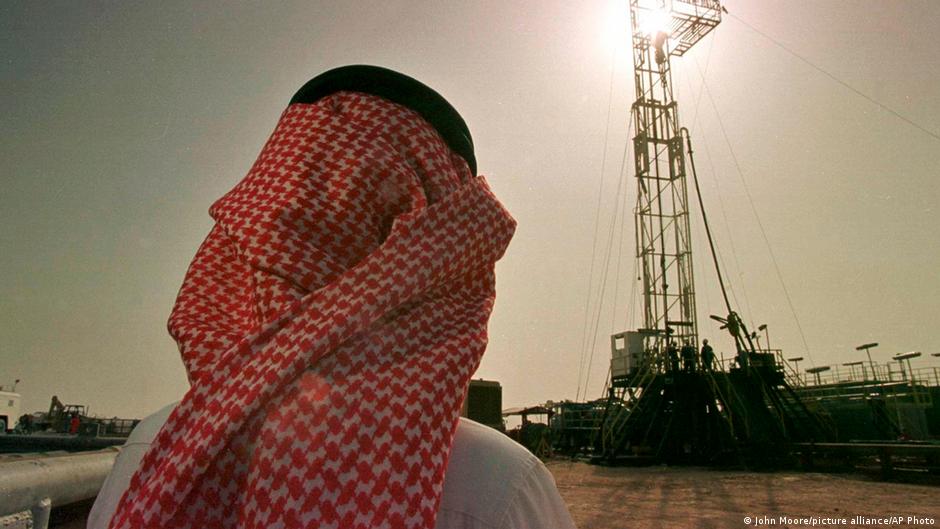
Iran War: When Will Gulf Nations Halt Oil Production?
Oil prices surged to around $120 per barrel following Israeli strikes on Iran’s energy infrastructure and the abrupt closure of the Strait of Hormuz. This disruption left tankers stranded and energy facilities in the Gulf damaged, forcing producers to rely on limited storage to sustain output. The spike came after Tehran named Mojtaba Khamenei as its new Supreme Leader, escalating tensions in the 10-day-old conflict. Brent crude reached $119.50 (€103.30) before retreating to approximately $100.
The escalating crisis threatens Middle Eastern energy infrastructure, with Gulf producers already dealing with Iranian attacks and the shutdown of the vital shipping route. As storage capacity dwindles, concerns grow about whether oil output could be cut off within days. With commercial traffic nearly halted, the Strait of Hormuz—handling roughly 20% of global oil supplies—has become a focal point of global energy markets.
Regional Impact and Storage Challenges
Gulf states like Saudi Arabia, UAE, Qatar, Kuwait, and Bahrain are caught in the crossfire of the US-Israel-Iran conflict. Iran’s attacks on energy facilities, airports, and US bases have drawn these nations into the war, prompting accusations of betrayal and warnings of possible military action. Kpler, a shipping analytics firm, reported that the Strait’s closure has disrupted most maritime trade.
JP Morgan estimated that Gulf states hold 343 million barrels of oil storage, enough to delay a full shutdown for about 22 days. However, daily exports through Hormuz amount to 15 million barrels of crude and over 4 million of refined fuels. Iraq, with just six days of storage, has already cut production by 1.5 million barrels per day. Rystad Energy warned that Iraq’s remaining oil fields face an “imminent, near-certain shutdown.”
Adjusting Export Routes
Saudi Arabia, with 66 days of storage on February 28, could still divert some oil via the Red Sea to Yanbu. The UAE, meanwhile, redirected exports through Fujairah despite its own damage. Yet these alternatives account for only a third of usual traffic. Kayrros data, cited by the Financial Times, showed Saudi Arabia reducing production even with extra storage. Bloomberg and Reuters confirmed similar output cuts in Kuwait and UAE.
Restarting production after a halt may take weeks, facing risks like equipment failure or geological problems. A full Gulf shutdown would send prices soaring, as the region supplies about a third of global seaborne crude. Qatar’s Energy Minister hinted that crude could see further reductions, underscoring the crisis’s broader implications.
