
Iran war: Houthi restraint driven by domestic priorities
Iran war: Houthi restraint driven by domestic priorities
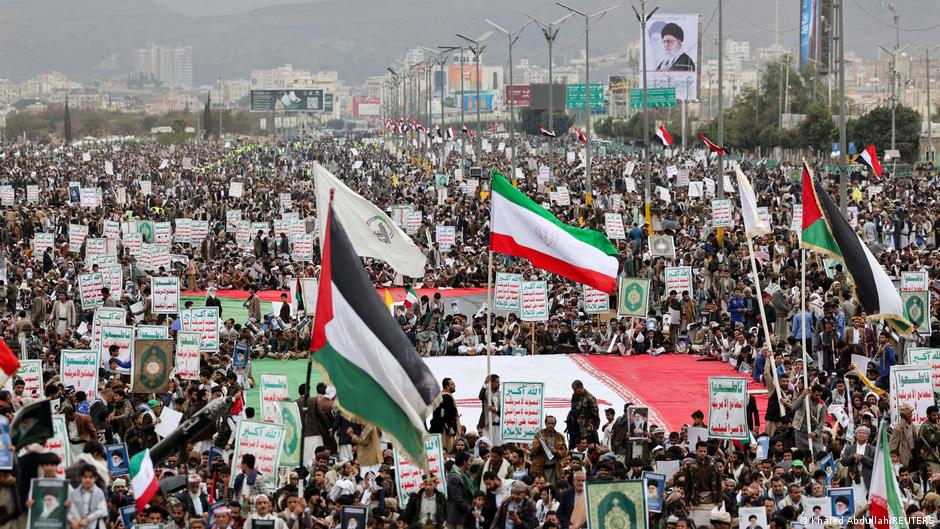
Although the Houthi group has vowed to enter the Iran conflict, they have shown no immediate action. Analysts suggest that internal dynamics and strategic considerations are keeping them cautious. Abdullah Sabri, a representative of the Houthi-led Ministry of Foreign Affairs, warned earlier this week that Yemen is “on the brink of decisive action.” He emphasized that the group would respond with “measured responses” if the war against Iran intensifies, particularly if foreign forces are involved.
Regional and geopolitical factors
Abdul-Malik Al-Houthi, the militia’s leader, reiterated support for Iran and its allies in a video statement last Thursday. “We stand firm behind Iran, Lebanon, and Palestine,” he said, adding that their military readiness depends on the conflict’s progression. Yet, unlike the Iran-backed Hezbollah, the Houthis have not yet engaged in the current war. This shift contrasts with their involvement in the Gaza War, where they targeted Israeli assets and international shipping in the Red Sea.
“The Houthis are currently not just restrained, but virtually completely inactive,” remarked Luca Nevola, an expert at the US-based ACLED group. “So far, there have been no military operations related to the conflict, only symbolic backing for Iran,” he added.
Nevola highlighted that the Houthis’ inaction stems from a calculated assessment of risks and rewards. “Their potential losses outweigh the gains,” he noted, citing factors like economic strain and military setbacks. Meanwhile, Philipp Dienstbier of the German Konrad Adenauer Foundation pointed to a more complex scenario. “Several factors are at play,” he said. “The Houthis may be delaying strikes to build up pressure later, such as targeting Red Sea vessels or energy infrastructure.”
“The Houthis have a significant degree of autonomy,” Dienstbier explained. “They are not merely following Tehran’s lead, but pursuing their own strategic goals, including military advancements like drone development.”
Additionally, the Houthis face internal challenges in the north of Yemen, which demands careful maneuvering. Their current weakness, attributed to US airstrikes and Israeli attacks on leadership, has also shaped their approach. A recent truce with the US and renewed talks with Saudi Arabia further support their decision to avoid escalation. “This diplomatic process could be disrupted by active participation in the Iran war,” Nevola said, suggesting restraint might foster political progress.
Despite their caution, the military threat remains. “The Houthis are unpredictable,” Nevola warned. “Their relative independence from Iran means they might still intervene in the conflict, even with competing interests.” Dienstbier echoed this, calling the militia “militarily resilient” amid ongoing attacks. “They can still deploy missiles and counter drones,” he noted, underscoring the possibility of future involvement.
By contrast, refraining from escalation allows the Houthis to avoid direct retaliation from the US and Israel. “Their primary focus is on survival,” Nevola said, emphasizing fears of leadership disruption. While the situation is fluid, the militia’s choices reflect a blend of regional strategy, internal stability, and calculated risk.
By contrast, refraining from escalation allows the Houthis to avoid direct retaliation from the US and Israel. “Their primary focus is on survival,” Nevola said, emphasizing fears of leadership disruption. While the situation is fluid, the militia’s choices reflect a blend of regional strategy, internal stability, and calculated risk.
To view this video, please enable JavaScript, and consider upgrading to a web browser that supports HTML5 video.
