
How to Recover from Climate Disasters: Effective Methods
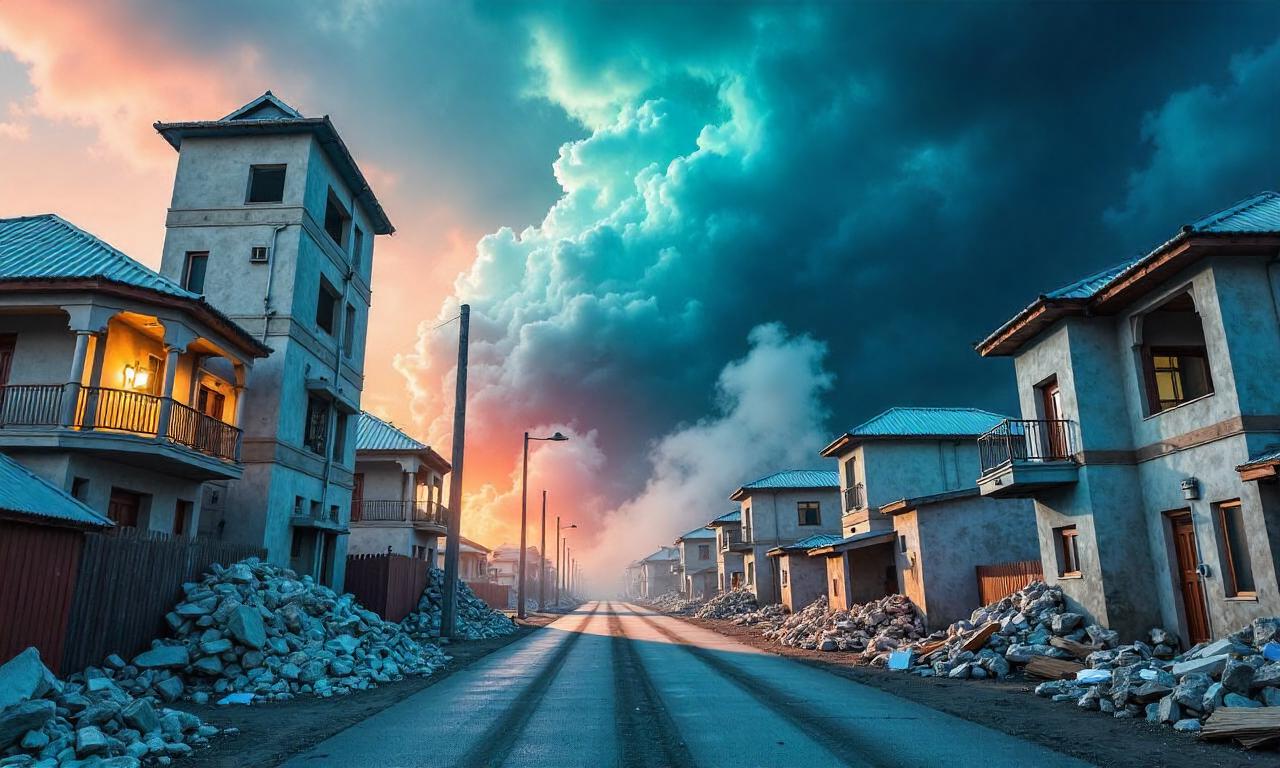
Climate disasters are becoming more frequent and intense due to rising global temperatures, sea-level rise, and extreme weather events. From wildfires and hurricanes to floods and droughts, these disasters are disrupting ecosystems, economies, and communities worldwide. As the impacts of climate change grow, it is crucial to understand and implement climate disaster recovery methods that can help societies bounce back quickly and build resilience for the future. This article explores the most effective strategies for recovery, from immediate response to long-term adaptation, ensuring a comprehensive guide to navigating the challenges of climate-related crises.
Immediate Response: The First Step in Climate Disaster Recovery Methods
When a climate disaster strikes, the immediate response is critical to minimizing damage and saving lives. This phase involves rapid actions to address the most pressing needs, such as evacuating people, securing infrastructure, and providing emergency aid. Climate disaster recovery methods often start with these steps, which form the foundation for a more structured recovery process.
Assessing the Damage and Prioritizing Needs
The first priority after a disaster is to assess the damage and identify the most urgent needs. This includes evaluating the extent of physical destruction, such as collapsed buildings, damaged roads, and disrupted utilities, as well as assessing the impact on human health, livestock, and crops. Quick damage assessments enable responders to allocate resources effectively, ensuring that food, water, and shelter reach affected populations. In the aftermath of a hurricane, for instance, the focus may shift from securing power supplies to setting up temporary shelters for displaced residents.
Emergency Evacuation and Shelter
Evacuation plans are a cornerstone of climate disaster recovery methods. When disasters like wildfires or floods pose immediate threats, prompt and organized evacuations can prevent loss of life. Local authorities, in collaboration with community leaders, must communicate evacuation routes and provide safe shelter for those in need. In coastal areas, pre-positioned relief camps and evacuation boats are essential tools for managing large-scale displacement.
Providing Immediate Aid and Supplies
Emergency aid is a vital component of climate disaster recovery methods. This includes distributing food, clean water, medical supplies, and temporary housing. Non-governmental organizations (NGOs) and international agencies often play a key role in this phase, leveraging global networks to send critical resources to disaster-stricken regions. However, coordination between local, national, and international actors is essential to avoid duplication of efforts and ensure efficient resource allocation.
Long-Term Strategies: Building Resilience Through Climate Disaster Recovery Methods
While immediate response addresses the urgent aftermath, long-term strategies are necessary to restore communities and prevent future disasters. These methods focus on sustainable practices, infrastructure improvements, and adaptive planning to mitigate the effects of climate change.
Rebuilding Infrastructure with Climate-Resilient Designs
One of the most effective climate disaster recovery methods is rebuilding infrastructure with resilience in mind. Traditional construction methods may not withstand the increased frequency of extreme weather events, so incorporating climate-resilient designs is crucial. For example, elevating buildings in flood-prone areas or using drought-resistant materials in arid regions can reduce the risk of future damage. This approach not only accelerates recovery but also ensures that communities are better prepared for future climate challenges.
Restoring Ecosystems and Natural Barriers
Ecosystem restoration is another key element of climate disaster recovery methods. Natural barriers such as mangroves, wetlands, and forests play a critical role in protecting communities from disasters like floods and storms. Replanting native vegetation and restoring wetlands can enhance coastal protection and improve water retention, reducing the severity of future climate impacts. This method aligns with the principles of climate adaptation and sustainable recovery, emphasizing the importance of environmental restoration in rebuilding resilience.
Economic Recovery and Job Creation
Economic recovery is often overlooked in the immediate aftermath of a disaster, but it is essential for long-term stability. Climate disaster recovery methods should include initiatives that create jobs and stimulate local economies, such as funding for reconstruction projects, supporting small businesses, and investing in green technologies. For example, post-disaster grants can help communities transition to renewable energy sources, reducing reliance on fossil fuels and fostering sustainable growth.
Community Involvement: The Heart of Climate Disaster Recovery Methods
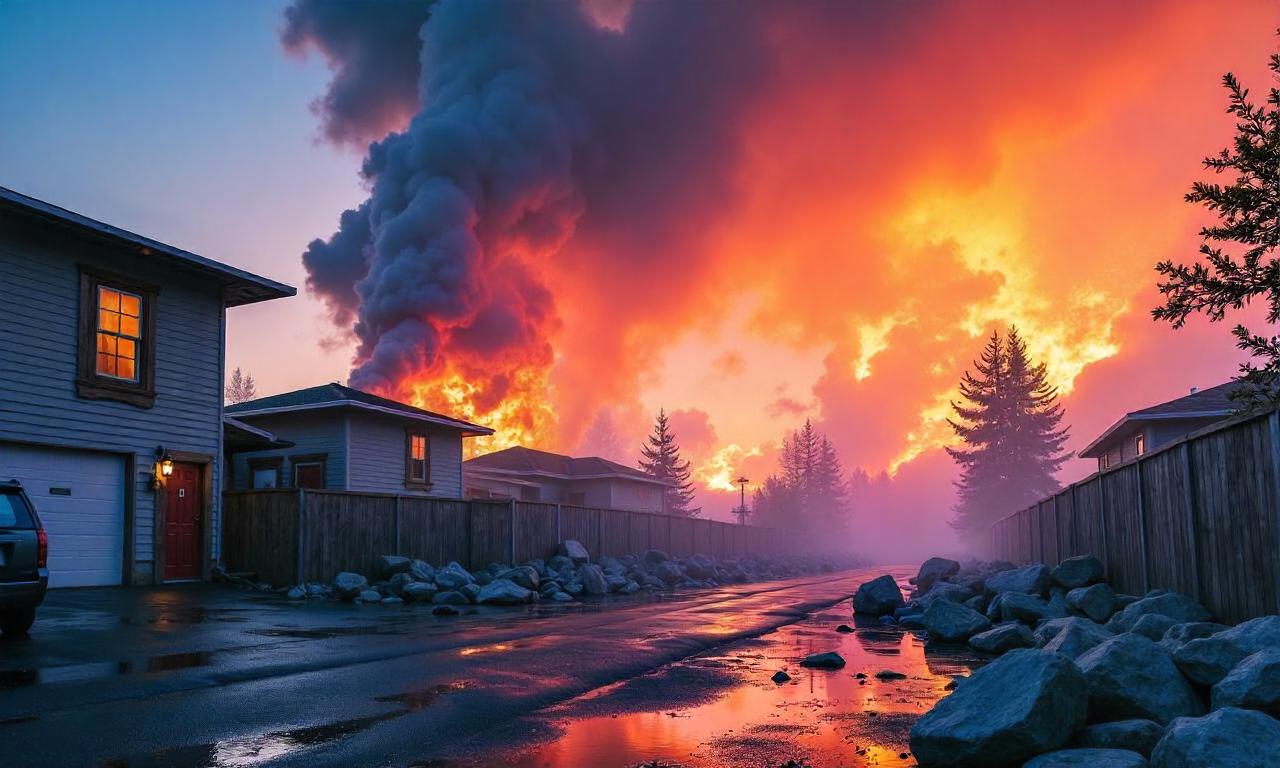
Recovery from climate disasters is not solely the responsibility of governments or organizations; community involvement is equally vital. Engaging local populations ensures that recovery efforts are tailored to their specific needs and foster long-term resilience.
Empowering Local Communities with Knowledge
Educating communities about climate risks and disaster preparedness is a fundamental climate disaster recovery methods. Workshops, training programs, and public awareness campaigns can equip residents with the skills to respond effectively to future disasters. In rural areas, for instance, teaching farmers how to adapt crops to changing weather patterns can safeguard food security and reduce economic losses.
Encouraging Grassroots Initiatives and Collaboration
Grassroots initiatives play a significant role in climate disaster recovery methods. Local leaders, volunteers, and community groups often take the lead in organizing recovery efforts, such as clearing debris, rebuilding homes, and distributing supplies. Collaboration between these groups and government agencies can streamline processes and ensure that no one is left behind in the recovery journey.
Strengthening Social Networks and Support Systems
Social networks and support systems are crucial for emotional and psychological recovery. Climate disaster recovery methods should include mental health services, community gatherings, and peer support programs to help people cope with trauma and stress. In the wake of a wildfire, for example, support groups can provide a sense of belonging and shared purpose, which is essential for long-term recovery.
Policy and Investment: Ensuring Sustainable Climate Disaster Recovery Methods
For climate disaster recovery methods to be effective in the long run, policy and investment must be prioritized. Governments, businesses, and international bodies need to create frameworks that support recovery efforts and promote sustainability.
Implementing Climate-Resilient Policies
Government policies are a cornerstone of climate disaster recovery methods. These policies should include measures like zoning laws that restrict development in high-risk areas, insurance programs for climate-related losses, and funding for disaster preparedness. For instance, policies that mandate building codes resistant to extreme weather can reduce structural damage and save lives in future events.
Investing in Green Technologies and Infrastructure
Investment in green technologies is another essential climate disaster recovery methods. Renewable energy, efficient water management systems, and sustainable agriculture practices can reduce dependency on vulnerable resources and enhance resilience. Public and private investments in solar panels, wind turbines, and flood barriers are examples of how <strong>climate disaster recovery methods</strong> can drive innovation and long-term sustainability.
Promoting International Cooperation and Funding
Climate disasters often transcend borders, making international cooperation a critical component of climate disaster recovery methods. Global partnerships can provide funding, technology, and expertise to support recovery efforts in vulnerable regions. For example, the Paris Agreement and other international frameworks facilitate the sharing of resources and knowledge to address climate challenges collectively.
Conclusion
Recovering from climate disasters requires a multifaceted approach that combines immediate response, long-term strategies, community involvement, and policy and investment. By integrating climate disaster recovery methods into every stage of the process, societies can not only rebuild after disasters but also adapt to the changing climate. Whether through infrastructure improvements, ecosystem restoration, or international collaboration, the goal is to create a resilient and sustainable future. As climate change continues to shape our world, adopting these methods is essential for ensuring that communities can thrive even in the face of increasing environmental challenges.
