
Effective Climate Adaptation Strategies for a Sustainable Future
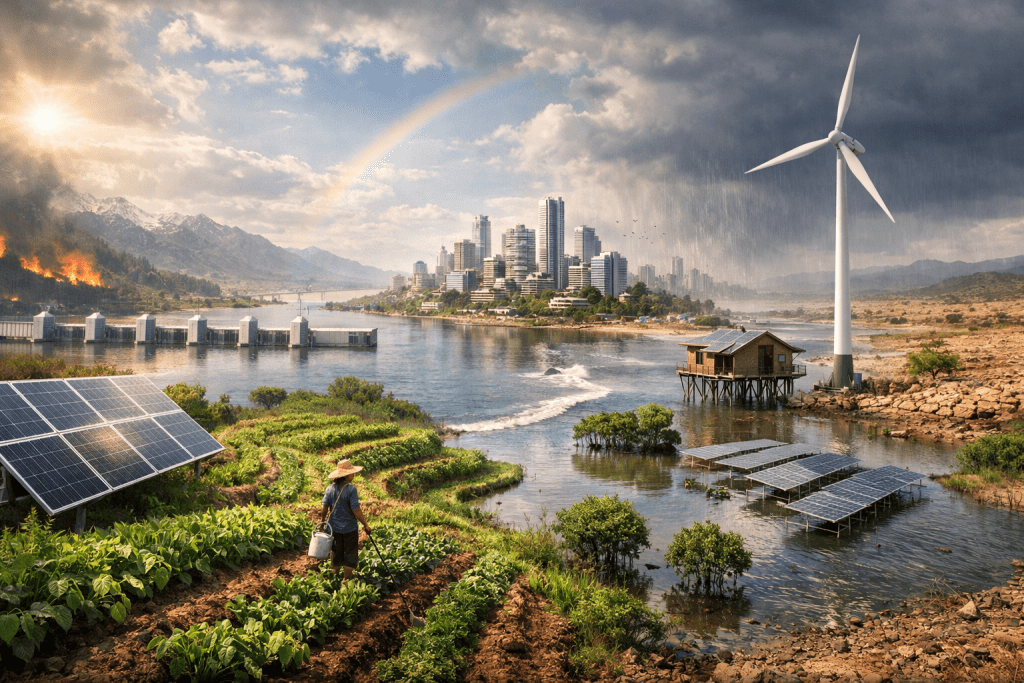
Effective Climate Adaptation Strategies for a Sustainable Future
As climate change accelerates, the need for climate adaptation strategies becomes more urgent. Adaptation involves making adjustments to human systems and ecosystems to cope with the impacts of climate change. These strategies can help communities, governments, and businesses reduce vulnerabilities, build resilience, and ensure a sustainable future. This article will explore the key elements of climate adaptation and provide actionable insights into how we can prepare for a climate-impacted world.
Understanding Climate Adaptation
Climate adaptation refers to the process of adjusting to climate change by taking steps to mitigate the negative effects on human and environmental systems. It contrasts with climate mitigation, which focuses on reducing the causes of climate change, such as cutting greenhouse gas emissions. Adaptation is necessary because the world has already begun experiencing the effects of climate change, and these impacts will only intensify.
To effectively implement climate adaptation strategies, a comprehensive approach is required, addressing both the immediate risks and long-term challenges. This involves not only reducing exposure to hazards but also enhancing resilience across various sectors.
Climate Adaptation Strategies for Agriculture and Food Security
One of the most vulnerable sectors to climate change is agriculture. Changes in temperature, precipitation patterns, and the increasing frequency of extreme weather events can disrupt food production and supply chains. Effective climate adaptation strategies in agriculture focus on improving crop resilience and ensuring food security in a changing climate.
Farmers can adopt climate-smart agricultural practices, such as selecting drought-resistant crops, adjusting planting schedules, and using precision irrigation techniques to optimize water usage. Additionally, integrating sustainable practices like agroforestry and organic farming can help enhance soil health and biodiversity, making agricultural systems more resilient to climate-related shocks.
Urban Planning and Infrastructure Adaptation
As cities expand, they face increasing pressure from climate change impacts, including rising sea levels, extreme temperatures, and flooding. Urban areas are hotspots for climate vulnerability, which is why climate adaptation strategies in urban planning are crucial for building resilient cities.
To address these challenges, cities can focus on green infrastructure such as urban forests, green roofs, and permeable surfaces to manage stormwater, reduce urban heat islands, and improve air quality. Investing in resilient infrastructure—such as flood barriers, energy-efficient buildings, and upgraded transportation networks—can also help cities withstand climate-related stressors.
Another important strategy is the implementation of climate-resilient zoning laws, which guide the development of infrastructure in areas less prone to climate risks, such as floodplains or coastal regions.
Water Management and Climate Resilience
Water resources are critical for human survival and economic development, but climate change poses significant threats to water availability and quality. Droughts, floods, and changing rainfall patterns can exacerbate water scarcity in many regions. Therefore, effective water management is a cornerstone of climate adaptation strategies.
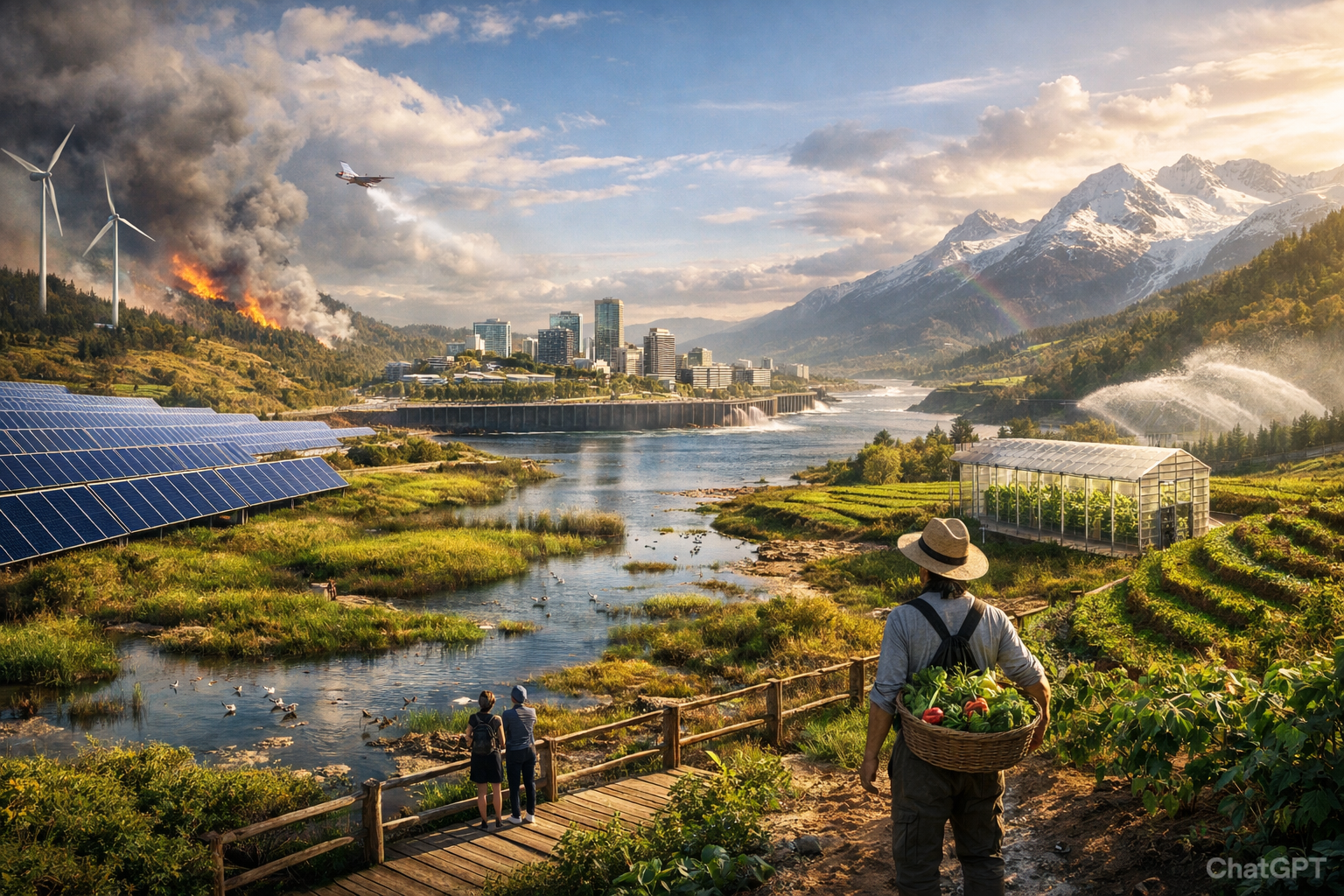
One solution is improving water storage systems, including the construction of dams, reservoirs, and rainwater harvesting techniques. On a broader scale, integrated water resource management (IWRM) approaches are key to balancing the needs of agriculture, industry, and households while ensuring environmental sustainability.
Additionally, desalination technologies can provide alternative water sources, especially in coastal areas, while the rehabilitation of wetlands can help restore natural water filtration systems and mitigate flooding.
Enhancing Ecosystem Resilience
Ecosystems such as forests, wetlands, and coral reefs play a crucial role in stabilizing the environment, regulating water cycles, and providing resources for human well-being. Climate change threatens the survival of these ecosystems, making it essential to incorporate ecosystem-based adaptation into overall strategies.
Protecting and restoring natural ecosystems can provide both direct and indirect benefits. For example, mangrove restoration can reduce coastal erosion and provide habitat for marine species, while reforestation efforts can absorb carbon and protect biodiversity. Integrating nature-based solutions with traditional engineering approaches ensures a more holistic and sustainable response to climate change.
Strengthening Governance and Policy Frameworks
Governments and institutions play a pivotal role in implementing climate adaptation strategies at local, national, and global levels. Effective governance involves creating and enforcing policies that foster climate resilience across sectors. This includes funding adaptation projects, setting clear regulations, and promoting public-private partnerships to scale up efforts.
At the international level, agreements like the Paris Agreement have placed climate adaptation on the global agenda, urging countries to take action based on their unique vulnerabilities and capabilities. Additionally, local governments can foster resilience by implementing policies that incentivize adaptation measures, such as subsidies for sustainable infrastructure or tax breaks for businesses investing in climate-friendly technologies.
Conclusion
In the face of climate change, climate adaptation strategies are vital for ensuring the long-term sustainability of communities and ecosystems. By focusing on sectors such as agriculture, urban planning, water management, and ecosystems, we can build resilience against the impacts of a warming planet. Collaboration between governments, industries, and local communities will be key to ensuring that these strategies are implemented effectively.
FAQ
Q: What are climate adaptation strategies? A: Climate adaptation strategies are actions taken to adjust systems and processes to cope with the impacts of climate change, reducing vulnerability and enhancing resilience. Q: Why is agriculture important in climate adaptation? A: Agriculture is highly vulnerable to climate change, and effective adaptation strategies in this sector help ensure food security by improving crop resilience and reducing the risks from extreme weather events. Q: How can cities adapt to climate change? A: Cities can adapt by investing in green infrastructure, resilient buildings, and climate-resilient zoning laws to protect urban populations from risks such as flooding and heatwaves. Q: What role does water management play in climate adaptation? A: Effective water management ensures the availability of water resources during times of drought or flood, ensuring both human and environmental needs are met sustainably. Q: How can ecosystems help in climate adaptation? A: Ecosystems provide natural solutions such as carbon sequestration, flood control, and habitat preservation, which can support climate adaptation efforts and reduce the impacts of climate change.
