
Climate Awareness Campaigns That Inspire Action
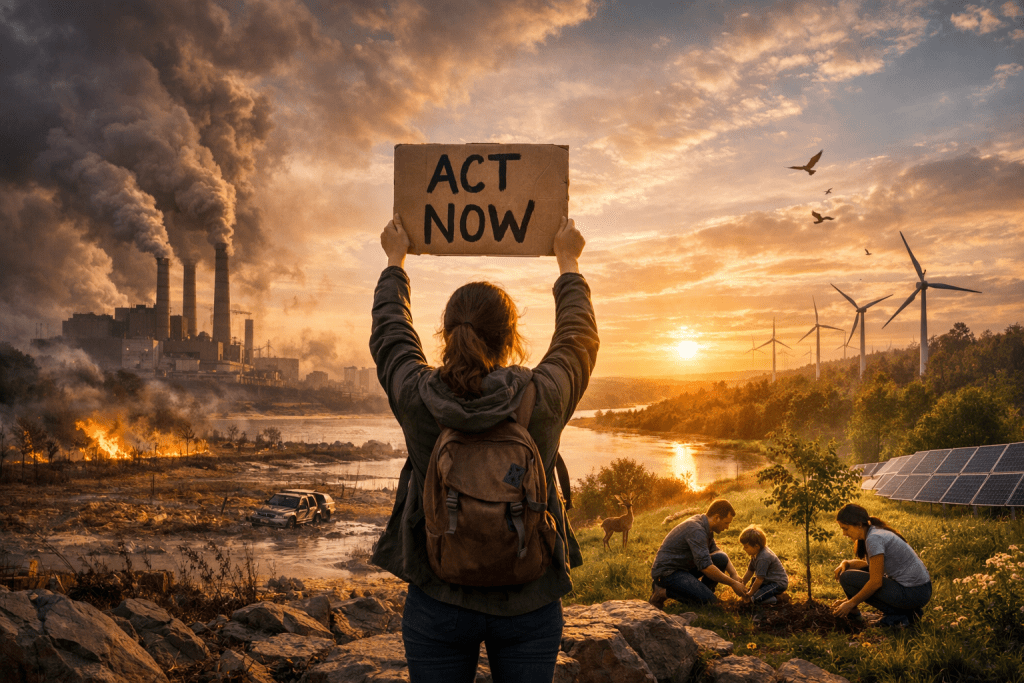
Climate awareness campaigns matter because they turn a complex, global problem into something people can understand, feel, and act on. The best campaigns do not rely on fear alone. They combine clear facts, emotional relevance, and simple actions that people can take immediately. When done well, these campaigns move climate change from “background news” into daily decision-making.
What makes this topic important is that awareness is not the same as behavior change. Many people already know climate change is real, but they do not know what to do next. Strong Climate awareness campaigns bridge that gap by making climate action concrete, local, and socially normal.
Why Climate Awareness Campaigns Still Matter in 2026
Climate communication has changed. People are more exposed to climate content than ever, but also more overwhelmed. Many audiences experience “climate fatigue,” where repeated warnings stop producing motivation. This is why campaigns that simply repeat “the planet is in danger” often fail to inspire action.
Modern Climate awareness campaigns work because they focus on relevance. They connect climate issues to everyday concerns like food prices, health, floods, heatwaves, and job security. When people see climate as something affecting their family and community, the message becomes harder to ignore.
Another reason campaigns still matter is trust. People are more likely to act when the message comes from someone they identify with. A campaign delivered by local leaders, teachers, healthcare workers, or community groups often performs better than a campaign delivered by distant institutions.
Finally, climate campaigns matter because they shape culture. Culture decides what is normal. When climate-friendly behavior becomes normal—recycling correctly, reducing food waste, choosing public transport, supporting renewable energy—individual action scales faster and policy becomes easier to pass.
The Core Elements of Campaigns That Inspire Action
Not all climate campaigns are equal. Some go viral but produce little long-term impact. Others quietly shift behavior and policy without massive online attention. The most effective campaigns tend to share a few key elements.
First, they provide clear and specific actions. “Save the planet” is not actionable. “Switch to LED bulbs,” “reduce meat meals twice a week,” or “join a community clean-energy program” is actionable. Specific actions reduce confusion and increase follow-through.
Second, they use positive identity, not guilt. Guilt can create short bursts of attention, but it often triggers denial or avoidance. Campaigns that frame action as pride, responsibility, and community strength tend to build lasting motivation.
Third, they show results. People need evidence that action works. This can be done through numbers (emissions reduced), visuals (before/after), or stories (families saving energy costs). When impact is visible, the campaign gains credibility.
Fourth, they remove barriers. Many people want to act but face obstacles like cost, time, or lack of access. Strong Climate awareness campaigns include solutions such as free toolkits, local resources, step-by-step guides, or partnerships with services.
Real-World Climate Awareness Campaign Models That Work
To understand what inspires action, it helps to look at campaign models that consistently succeed. These are not “templates” you copy blindly. They are strategic patterns that can be adapted to different audiences and cultures.
One powerful model is the youth-led movement. Youth campaigns succeed because they carry moral urgency and social energy. They often combine protest, education, and digital storytelling. Their strength is that they make climate change feel like a generational responsibility, not a distant scientific debate.
Another strong model is the community-based local action campaign. These campaigns focus on a neighborhood, city, or region. They address local issues like flooding, waste management, air pollution, or heat resilience. Local campaigns work because people can see the problem and see the solution in the same place.
A third model is the behavior-change campaign. This type focuses on daily habits: reducing energy use, shifting diets, reducing waste, or using public transport. The best behavior-change campaigns do not shame people. They simplify steps and use social proof, such as showing how many households already participate.
A fourth model is the policy support campaign. These campaigns encourage people to vote, support climate policies, or participate in public consultations. They work best when they translate policy into human impact. Instead of talking about “emissions targets,” they talk about jobs, health, safety, and cost of living.
A final model is the corporate accountability campaign. These focus on transparency, greenwashing, and supply chain impact. They pressure organizations to improve real environmental performance. These campaigns are effective when they use credible data and focus on measurable commitments, not vague slogans.
Storytelling Techniques That Make People Care and Act
Storytelling is not decoration. In climate communication, storytelling is the delivery system for meaning. Facts alone rarely change behavior. People act when they understand how the issue connects to their values, identity, and future.
One effective technique is local storytelling. Instead of talking about melting ice caps, talk about a local river that floods more often. Instead of abstract sea-level rise, talk about coastal homes, fisheries, and livelihoods. Local stories reduce psychological distance.
Another technique is human-centered narratives. Climate change is often communicated as a “nature problem,” but it is also a human problem. Stories about farmers facing drought, children dealing with heat-related illness, or communities rebuilding after storms create empathy and urgency.
A third technique is solution-first storytelling. Many people shut down when they only hear disasters. Campaigns that start with solutions keep audiences engaged. The message becomes: “This is serious, and we can still do something meaningful.”
A fourth technique is future visualization. Effective Climate awareness campaigns help people imagine two futures: one where we act, and one where we do not. This is not about fantasy. It is about showing the real consequences of choices, while emphasizing that outcomes are still shaped by action.
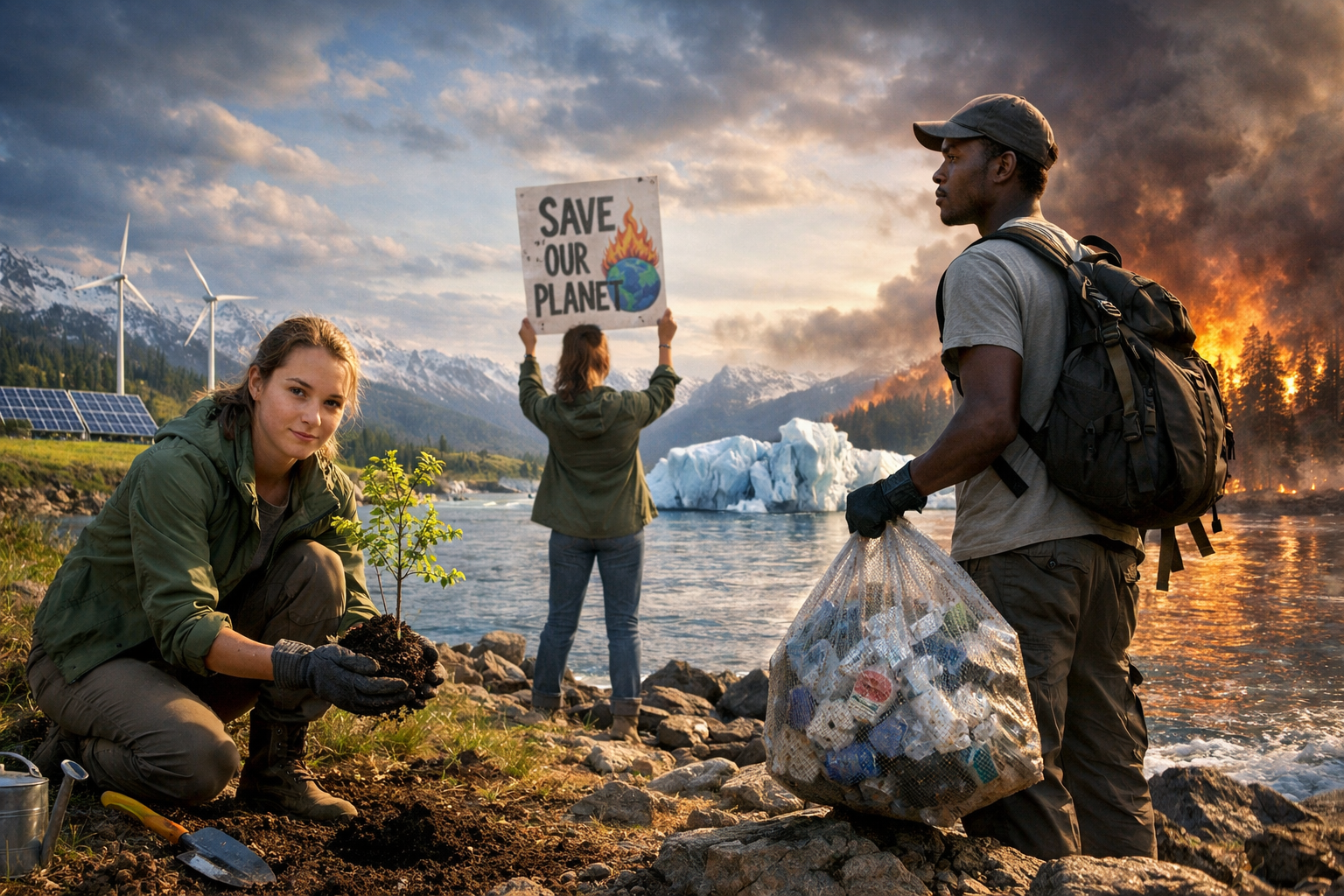
Finally, the best campaigns avoid perfectionism. They communicate that climate action is not about being flawless. It is about reducing harm, improving systems, and building momentum. This prevents the common failure where people give up because they cannot do everything.
How to Design Climate Awareness Campaigns for Maximum Impact
A campaign that inspires action is built with strategy, not only creativity. Many climate campaigns fail because they focus on messaging without planning behavior outcomes. A strong campaign starts by defining what “success” actually means.
First, define the target audience precisely. “Everyone” is not an audience. A campaign should focus on a specific group: students, families, small business owners, urban commuters, rural communities, or policymakers. Each group has different motivations and barriers.
Second, choose one primary action. If you ask people to do ten things, most will do nothing. The best Climate awareness campaigns focus on one clear action at a time, such as joining a local program, switching to a cleaner habit, or supporting a policy.
Third, make the action easy. If the action requires complex steps, the campaign should provide tools: QR codes, short guides, simple checklists, or direct access to resources. Every extra step reduces conversion.
Fourth, measure outcomes. Awareness metrics like views and likes are weak indicators. Strong metrics include event participation, petition signatures, household behavior change, volunteer sign-ups, energy reductions, or donations to local climate resilience projects. Campaigns should track both reach and action.
Fifth, use credible messengers. People trust voices that feel relevant. For families, that may be teachers and doctors. For youth, it may be creators and student leaders. For businesses, it may be respected entrepreneurs and industry groups. Trust drives action more than perfect messaging.
Sixth, avoid greenwashing and vague claims. A campaign loses power if people sense exaggeration. Use clear, verifiable statements. When a campaign is honest about limitations, it becomes more trustworthy and more persuasive.
Digital and Offline Channels That Drive Real Behavior Change
Modern campaigns must work across digital and offline spaces. Many climate messages spread online, but action often happens offline. The most effective strategy connects both worlds.
On digital channels, short-form video works well for awareness, but it must lead to a simple next step. A video should not end with “share this.” It should end with a clear action: “Join a local cleanup,” “Check your home energy use,” or “Attend a community meeting.”
Email and messaging communities are also powerful because they support follow-up. Climate action often requires repetition. People rarely act after one exposure. Repeated reminders, progress updates, and success stories increase participation.
Offline channels remain essential. Posters, school programs, community events, and local workshops can create deeper engagement. People are more likely to commit when they interact face-to-face, especially when the campaign includes a community element.
Partnerships are another multiplier. A campaign that collaborates with schools, local governments, businesses, and community groups spreads faster and gains legitimacy. Partnerships also help remove barriers by offering resources and infrastructure.
Finally, campaigns should treat climate action as a social activity, not a private burden. When people act together, they stay motivated longer. The most successful Climate awareness campaigns build communities, not just content.
Conclusion
Climate awareness campaigns inspire action when they move beyond fear and focus on clarity, relevance, trust, and measurable steps. The strongest campaigns combine emotional storytelling with practical solutions, making climate action feel possible and socially supported. In a world where people are overloaded with information, campaigns that simplify action and show real results are the ones that truly change behavior.
FAQ
Q: What makes climate awareness campaigns effective instead of just popular? A: Effective campaigns drive measurable actions such as participation, behavior change, or policy support, not only views and shares.
Q: How often should a climate campaign repeat its message? A: Repetition is necessary because most people need multiple exposures before acting, but the message should stay consistent and focused on one main action.
Q: Should climate campaigns focus more on fear or hope? A: Hope-driven campaigns usually create longer-lasting engagement, especially when they include realistic solutions and clear steps.
Q: What is the biggest mistake in climate awareness campaigns? A: Asking people to do too many things at once, which increases confusion and reduces follow-through.
Q: Can small local campaigns make a real difference? A: Yes, because local campaigns often produce higher participation rates and create visible results that build momentum for larger change.
