
Best Climate Practices for Sustainability in Modern Living
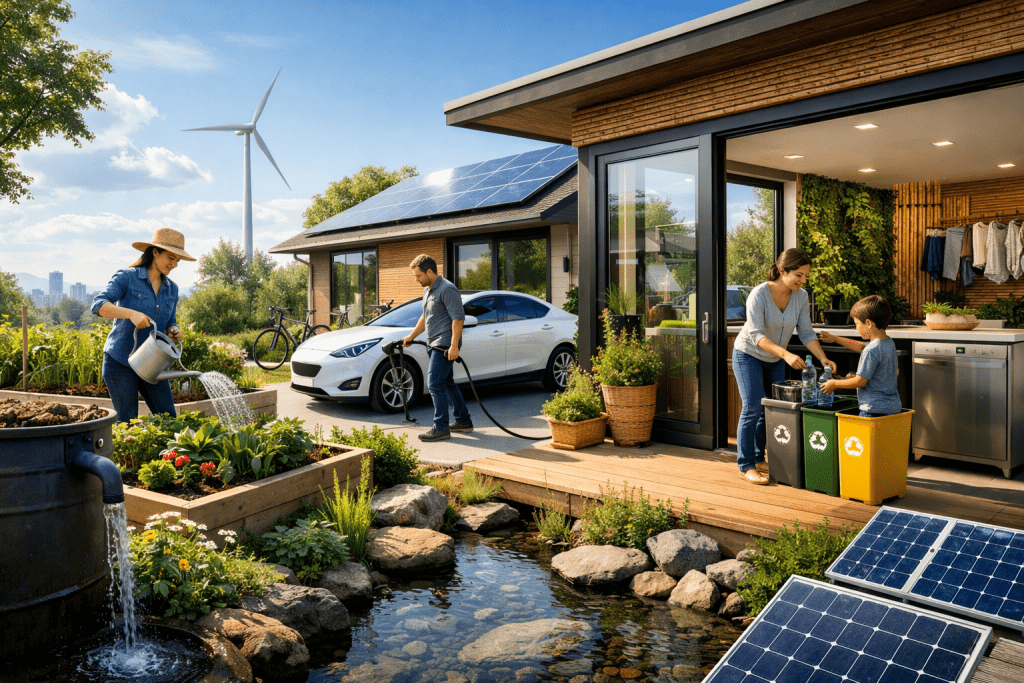
Modern living can be comfortable without being climate-intensive. The key is to focus on daily systems that quietly shape your carbon footprint: energy, transport, food, water, waste, and purchasing habits. The Best climate practices for sustainability are not about perfection, but about replacing high-emission routines with lower-impact defaults that you can maintain for years.
This article breaks down the most effective climate practices you can apply at home and in your lifestyle, with a focus on actions that reduce emissions, cut waste, and improve resilience. You will also learn how to prioritize what matters most, so sustainability does not turn into a confusing checklist.
Understand What “Sustainable” Actually Means in Modern Life
Sustainability is often misunderstood as buying “eco-friendly” products. In reality, it is mainly about reducing lifetime environmental impact, especially greenhouse gas emissions, while maintaining quality of life. Most emissions come from how you power your home, how you move, and what you eat.
A sustainable lifestyle is not defined by one big decision. It is built through small repeatable systems, such as choosing energy-efficient appliances, reducing food waste, and switching to low-carbon transport options. These changes compound over time.
It also helps to think in terms of “avoid, reduce, replace.” Avoid unnecessary consumption, reduce what you must use, and replace the remaining needs with cleaner alternatives. This mindset is one of the Best climate practices for sustainability because it prevents you from chasing endless product upgrades.
Clean Energy at Home: The Highest-Impact Lifestyle Upgrade
Household energy use is one of the largest controllable sources of emissions. Heating, cooling, water heating, lighting, and appliances all contribute to your footprint. The cleanest energy is the energy you do not use, followed by energy from renewable sources.
Start with efficiency, because it reduces cost and emissions at the same time. Switching to LED lighting, sealing air leaks, improving insulation, and using smart thermostats can significantly reduce energy demand. These changes are often inexpensive and have fast payback.
Next, focus on electrification. Gas stoves, gas water heaters, and gas furnaces are major sources of emissions and indoor air pollution. Replacing them with electric induction cooktops, heat pump water heaters, and heat pump HVAC systems is one of the most powerful long-term climate actions available to homeowners.
If you can access renewable electricity, prioritize it. Options include rooftop solar, community solar programs, or choosing a green energy plan from your utility provider. Even partial renewable sourcing reduces the carbon intensity of your entire household.
Low-Carbon Transportation Without Losing Convenience
Transportation is another major emissions driver, especially in car-dependent areas. The most sustainable transportation strategy is not necessarily “never drive,” but to reduce high-emission miles and replace them with lower-impact alternatives. This is one of the Best climate practices for sustainability because it targets a high-emission category directly.
If you live in a city, prioritize walking, cycling, and public transit for short and medium distances. These options reduce emissions while improving health and reducing congestion. They also reduce hidden costs like fuel, maintenance, and parking.
For drivers, the most impactful change is to drive less and drive more efficiently. Combining errands into fewer trips, maintaining tire pressure, and avoiding aggressive acceleration can cut fuel use. Carpooling and shared rides also reduce emissions per person.
If you are planning a vehicle upgrade, consider an electric vehicle (EV), especially if your electricity is partially renewable. EVs typically have lower lifetime emissions than gasoline cars, and their environmental advantage increases as the grid becomes cleaner. If an EV is not feasible, a hybrid vehicle is still a strong improvement over a traditional gasoline car.
Sustainable Food Choices That Are Realistic and Effective
Food systems contribute significantly to climate change through land use, livestock emissions, fertilizer use, and transportation. The most climate-relevant food changes are not about buying expensive specialty items. They are about adjusting the overall pattern of what you eat and what you waste.
The highest-impact dietary shift is reducing red meat consumption, especially beef and lamb. These meats have much higher emissions per serving compared to plant-based proteins. You do not need to become fully vegetarian for this to matter; even reducing red meat to once a week can have a meaningful impact.
Focus on plant-forward meals built around legumes, grains, vegetables, and nuts. These foods are generally lower in emissions and often cheaper per nutrient. A sustainable diet is also a resilient diet, because it reduces dependency on resource-intensive supply chains.
Food waste is a climate issue, not just a budgeting issue. When food is thrown away, all the emissions from growing, processing, packaging, and transporting it are wasted too. Planning meals, storing food properly, and using leftovers consistently are among the Best climate practices for sustainability because they reduce emissions without requiring major lifestyle change.
Waste Reduction and the Circular Living Mindset
Many people focus on recycling, but recycling is only one piece of the sustainability puzzle. The waste hierarchy is more important: reduce first, reuse second, recycle third. Modern living produces waste mostly through packaging, disposable products, and fast replacement cycles.
Start by cutting the most common single-use items. Replace disposable water bottles, paper towels, plastic cutlery, and low-quality storage containers with durable alternatives. These changes reduce waste and often reduce long-term spending.
Next, apply a circular mindset to buying. Before purchasing something new, consider repair, resale, rental, or secondhand options. Buying fewer, higher-quality items that last longer is a powerful climate action because it reduces the emissions embedded in manufacturing.
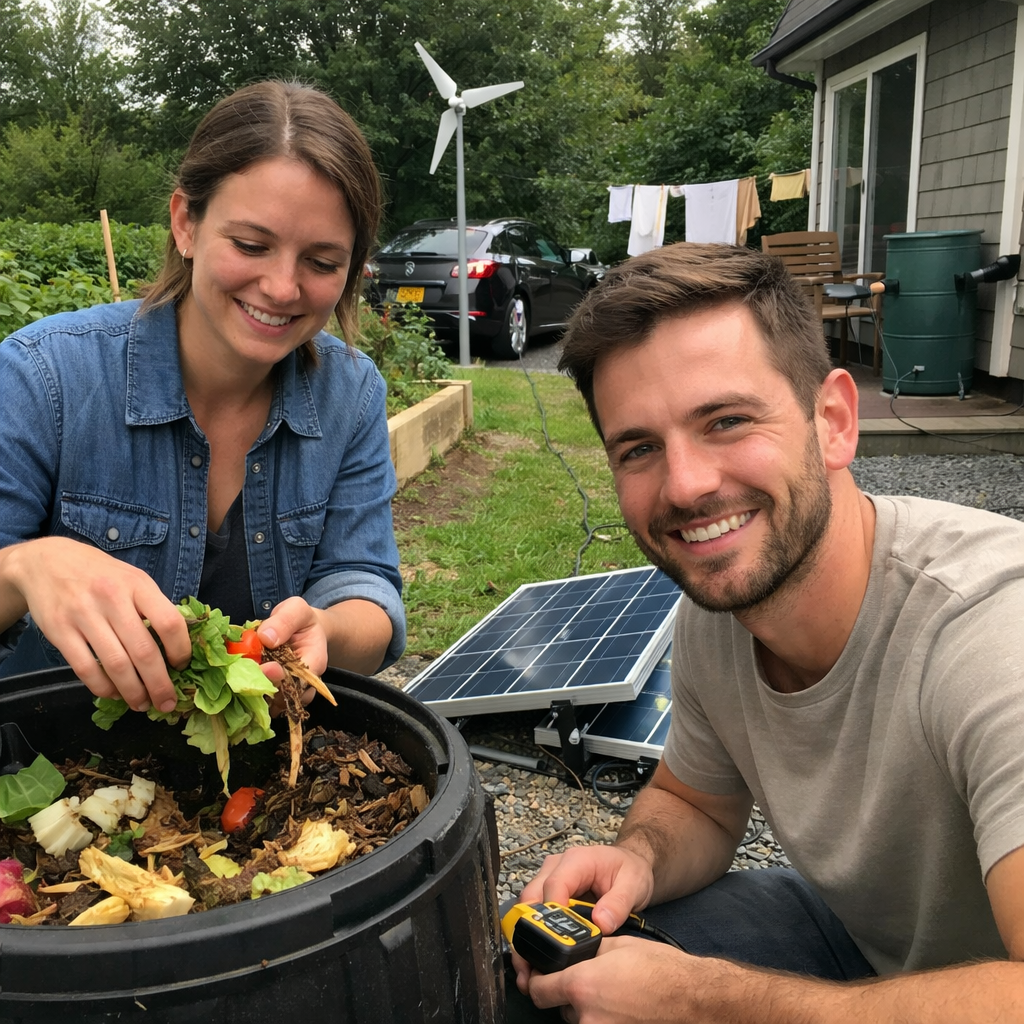
Recycling should still be done, but it must be done correctly. Contamination reduces recycling effectiveness and can send entire batches to landfill. Learning your local recycling rules is a small effort that improves the real impact of your waste system.
Composting is another high-value practice, especially for households that cook regularly. Organic waste in landfills generates methane, a potent greenhouse gas. Composting reduces landfill emissions and returns nutrients to soil.
Water, Materials, and Home Habits That Strengthen Sustainability
Water use is closely linked to energy use. Heating water for showers, laundry, and dishwashing consumes significant energy. Reducing hot water demand is therefore a climate practice, not just a conservation practice.
Install low-flow showerheads, fix leaks, and wash clothes in cold water when possible. Air-drying laundry reduces energy use and extends clothing life. These are simple habits that provide consistent savings.
Material choices also matter. Many home products have high embedded emissions due to extraction, manufacturing, and transport. Choosing long-lasting materials and avoiding frequent replacements reduces emissions across the entire supply chain.
Cleaning products, furniture, and home renovations can be approached with sustainability in mind. Prioritize non-toxic products, durable construction, and repairability. Sustainability is not about buying “green labels,” but about selecting products that do not need to be replaced quickly.
Digital habits also play a role, though they are usually lower impact than energy and transport. Extending the life of your electronics, repairing devices, and avoiding unnecessary upgrades reduces e-waste and manufacturing emissions.
How to Prioritize the Best Climate Practices for Sustainability
Not all climate actions have equal impact. The biggest mistake is spending time on low-impact changes while ignoring major emission sources. Prioritization is essential for sustainable living that actually works.
Start with your largest categories: home energy, transport, and food. These three areas usually represent the majority of a household’s footprint. Improvements here create the most meaningful results.
Next, build routines that you can maintain without constant effort. A one-time upgrade like insulation or an efficient appliance can reduce emissions for years. A sustainable lifestyle is built on defaults, not daily willpower.
Avoid turning sustainability into consumerism. Buying new “eco-products” is not always helpful if the old item still works. Repair, reuse, and reduction are often better than replacement.
Finally, track progress in a simple way. You do not need complex carbon calculators. If your energy bills go down, your car miles drop, your food waste shrinks, and your purchases become more intentional, you are already applying the Best climate practices for sustainability in a measurable way.
Conclusion
The most effective climate practices for modern living focus on high-impact systems: clean and efficient home energy, low-carbon transportation, plant-forward eating with less waste, and a circular approach to consumption. The Best climate practices for sustainability are not about extreme lifestyle changes, but about building better defaults that reduce emissions quietly over time. When you prioritize the biggest drivers and keep your habits realistic, sustainability becomes stable, affordable, and long-lasting.
FAQ
Q: What are the best climate practices for sustainability in daily life? A: Focus on energy efficiency, electrification, low-carbon transport, plant-forward meals, and reducing waste through reuse and composting.
Q: Which lifestyle change reduces carbon footprint the fastest? A: Cutting home energy use and reducing car travel usually deliver the quickest and largest emission reductions for most households.
Q: Do small actions like recycling really matter for climate change? A: Recycling helps, but it matters less than reducing consumption, avoiding waste, and lowering emissions from energy, transport, and food.
Q: Is switching to a plant-based diet necessary for sustainability? A: No, but reducing red meat and increasing plant-based meals significantly lowers emissions without requiring a full diet overhaul.
Q: How can I make my home more sustainable without major renovations? A: Use LED lighting, seal air leaks, reduce hot water use, choose efficient appliances, and reduce unnecessary purchases that create waste.
