
The BBC’s best thriller has never been stronger – it’s being let down
The BBC’s best thriller has never been stronger – it’s being let down
Recently, I’ve been immersed in The Capture, a show that has sparked endless conversations. For weeks, I’ve been eager to share my enthusiasm with anyone who would listen, convinced they’d feel the same thrill as I did. Yet, it seems the series has struggled to capture the same attention it once did.
When The Capture debuted in 2019, it was met with quiet acclaim. The first season attracted over five million viewers, a significant achievement for a new crime series. It also propelled Callum Turner, the actor tipped to follow in the footsteps of James Bond, into the spotlight, earning him a BAFTA nomination for his role as the lead.
Despite its early success, the show hasn’t fully taken its place in the cultural conversation. With the same buzz as Line of Duty or the comeback of The Night Manager, it could have become a mainstream talking point. Instead, it’s remained a niche favorite, its audience dwindling even as its themes grow more urgent.
A chilling premise that now feels eerily real
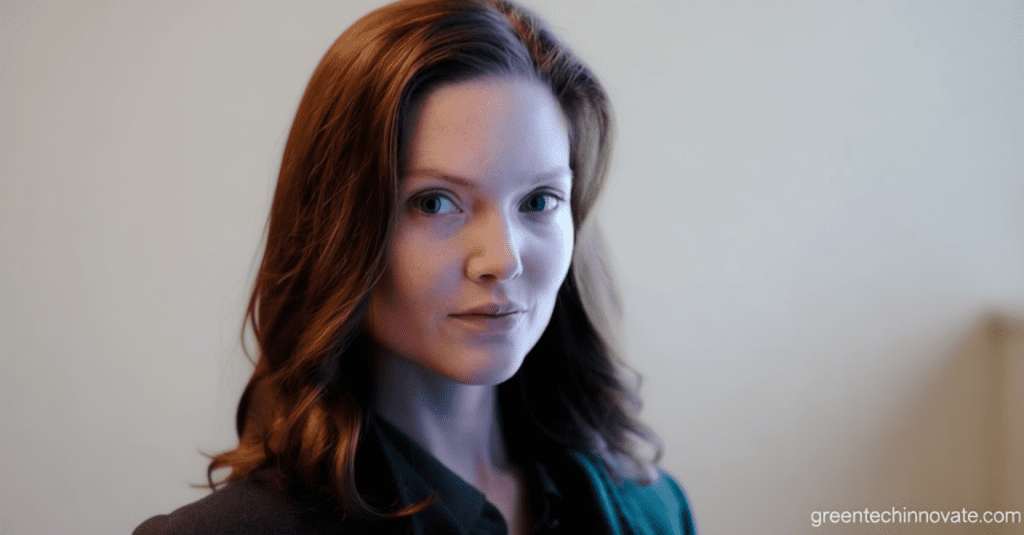
The Capture revolves around a detective, Rachel Carey, played by Holliday Grainger, who investigates a world where technology can twist CCTV and digital evidence so convincingly that truth itself becomes a fragile illusion. Seven years ago, this concept seemed like speculative fiction, dismissed as far-fetched by some.
Now, deepfakes are everywhere – from TikTok to political manipulation – and the idea that video evidence can no longer be trusted is no longer fiction. It is around us every single day.
The show’s brilliance lies in its foresight. It hasn’t just mirrored the present; it’s anticipated the future. Its second series expanded on this, showing how falsified live broadcasts could sway public opinion and alter election outcomes. The latest season, currently airing Sundays on BBC One, is at its peak, delivering a narrative that’s as disorienting as it is gripping.
Yet, the show’s impact is muted. The first episode of this season drew just 1.84 million viewers, a figure that pales in comparison to the 16 million average for Line of Duty’s 2021 series. This underwhelming response isn’t due to the show’s quality, but how it’s being released.
A missed opportunity for collective engagement
Every Sunday morning, a new episode of The Capture quietly drops on iPlayer before the main broadcast at 9pm. This approach, while consistent, has limited its reach. A Netflix-style release might have kept viewers talking, but the BBC’s strategy sidelines it from shared viewing experiences. Last night’s episode, packed with a jaw-dropping twist, received little online attention, despite its potential to ignite discussion.
Earlier this year, the BBC also launched Lord of the Flies, a critically praised adaptation by Jack Thorne. That series, though triumphant, was quickly forgotten, its ratings dropping by nearly a million after a solo iPlayer launch. It’s clear the way the show is timed affects its visibility.
At this moment, The Capture should be a cultural force. It deserves to dominate headlines, spark debate in Parliament, and sweep awards season. But instead, it’s quietly fading into obscurity, its strength overshadowed by a scheduling choice that leaves it struggling to compete with the likes of other BBC thrillers.
This site is protected by reCAPTCHA and the Google Privacy Policy and Terms of Service apply. Your information will be used in line with our Privacy Policy.
