

Midtown Manhattan Evacuations Triggered by Structural Concerns at Construction Site
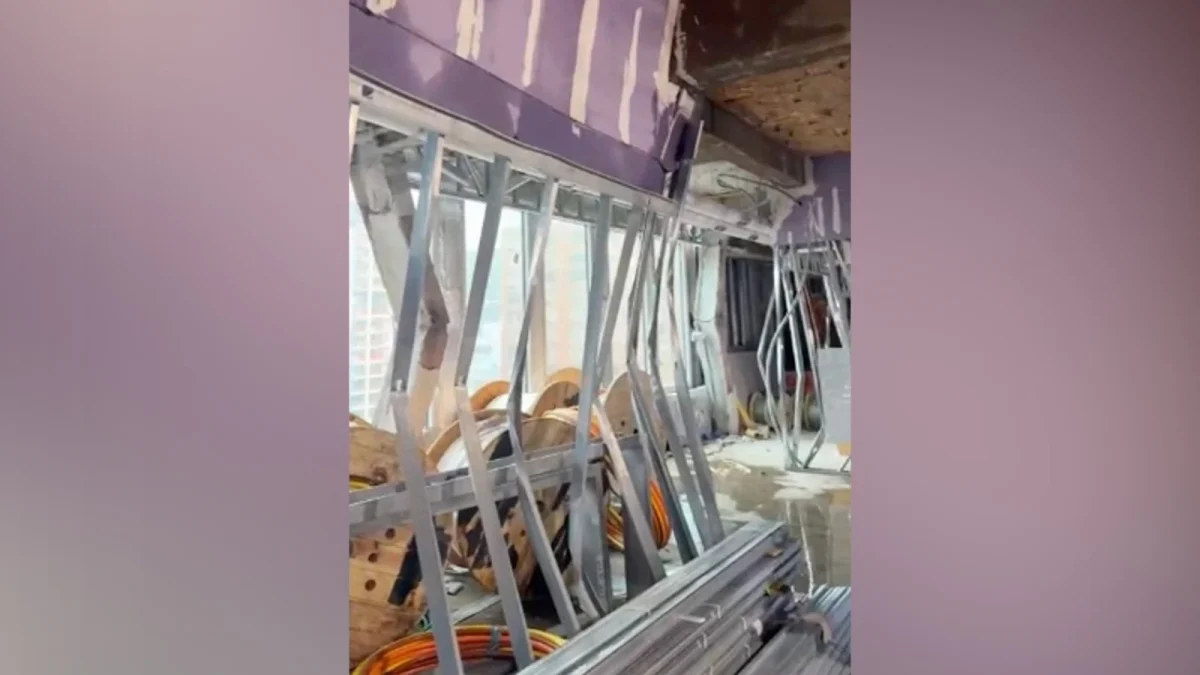
Midtown Manhattan buildings evacuated after beams – On July 7, 2026, multiple blocks in Midtown Manhattan were evacuated following a structural issue discovered at a construction site on East 42nd Street. Officials confirmed that workers identified compromised beams on the 21st floor, prompting immediate action to ensure public safety. The building in question, located at 235 E. 42nd Street, is a 37-story commercial structure that was once the Pfizer headquarters and is now undergoing renovations to become a residential complex.
Initial Discovery and Response
The incident began when construction crews noticed signs of instability in the building’s framework. According to the NYPD, emergency calls were made around 8:00 a.m., alerting authorities to the problem. Structural support beams were observed beginning to buckle, which caused the 21st through 26th floors to shift under pressure. The city then established a frozen zone—a restricted area—around the building, sealing off several blocks to prevent people from entering the affected area.
“The building has continued to move since we have been on scene,” said Fire Chief John Esposito during Tuesday’s news conference. “It does mean it is not yet stable.”
Firefighters and emergency personnel rushed to the site, working alongside representatives from the Department of Buildings and the NYC Emergency Management. While the FDNY assessed the situation, structural engineers monitored the building’s progress from the exterior. Despite the movement, city officials noted that the building had remained stationary for two hours by midday, offering a temporary reprieve.
Investigation and Safety Measures
By late afternoon, a team of six individuals was able to enter the building to evaluate its condition. This team, presumably including engineers and safety experts, determined whether shoring efforts could commence without risk. No injuries were reported among the construction workers, who were swiftly evacuated. The incident has raised questions about the safety protocols in place for such large-scale conversion projects.
City officials emphasized that the primary concern was a potential partial collapse, which could occur internally within the structure. A full collapse onto the street was deemed less likely, though the uncertainty has led to heightened vigilance. The Department of Buildings Commissioner, Ahmed Tigani, stated that extensive work was underway to analyze the situation and stabilize the structure.
“There is extensive work going on now to evaluate the situation,” Tigani told reporters.
The building’s conversion from an office space to residential housing is part of a significant urban development initiative. Metro Loft, the developer behind the project, released a statement reaffirming its commitment to safety. “The safety of our workers and the public has always been, and remains, our top priority,” the developer said.
Historical Context and Regulatory Violations
According to records from the Department of Buildings, the structure had accumulated seven violations between July 2025 and December 2025. These violations, which included structural code breaches, resulted in over $32,000 in fines. While the exact nature of the issues was not disclosed, the recent incident has brought renewed attention to the building’s compliance with safety standards.
The evacuation also impacted surrounding neighborhoods, with seven nearby buildings—including a Hampton Inn—being evacuated as a precaution. Mayor Zohran Mamdani confirmed that the frozen zone extended from 40th Street to 45th Street and between 1st and 3rd Avenues. During this time, traffic was halted on those streets to prevent any risk to pedestrians or vehicles.
“A frozen zone was set up between 40th and 45th Streets and 1st and 3rd Avenues,” Mamdani said.
The event has sparked discussions about the challenges of converting large office buildings into residential spaces. Such projects often involve complex engineering work and require careful coordination between developers, city agencies, and construction teams. The 235 E. 42nd Street building is one of the largest office-to-apartment conversion projects in New York City’s history, according to officials.
Broader Implications and Related Incidents
While the focus remained on the 235 E. 42nd Street site, the incident highlighted the vulnerability of high-rise structures during construction. This was not the first such event in recent months. A week earlier, part of a high-rise apartment building in New York City had collapsed due to similar structural concerns, prompting further scrutiny of safety measures in the industry.
Additionally, the city has experienced other structural failures, such as the partial collapse of the roof at BJ’s Wholesale Club in New Jersey during heavy rain. These incidents underscore the importance of rigorous inspections and timely interventions to prevent disasters. The Department of Buildings has since increased its oversight of active construction sites, particularly those undergoing major transformations.
Public Reaction and Future Steps
Residents and business owners in Midtown have expressed concern over the potential risks of such developments. Many questioned whether the building’s conversion process had been adequately reviewed before proceeding. “It’s alarming to see such a major structure compromised,” said one local resident, who remained in their apartment during the evacuation.
As of the latest updates, the building continues to be monitored closely. Engineers are working to determine the cause of the buckling beams and implement solutions to prevent further movement. The city has also called for a thorough investigation into the incident, with officials promising to share more details as they become available.
With the building still under evaluation, the evacuation has disrupted daily activities in the area. Businesses on the affected blocks have temporarily closed, and residents have been advised to stay alert. The Department of Buildings is now reviewing the project’s history to identify any patterns that may have contributed to the current crisis.
As the situation evolves, the city remains committed to protecting its citizens. “We are taking every possible step to ensure the safety of the public and the stability of the structure,” said a spokesperson for the NYC Emergency Management. The incident serves as a reminder of the critical role that construction safety plays in urban environments, particularly as cities continue to repurpose aging infrastructure for new uses.
For now, the focus is on stabilizing the 235 E. 42nd Street building. Officials have not yet announced a timeline for when it will be safe to resume operations. Meanwhile, the broader conversation about construction safety and urban development continues, with lessons learned from this event shaping future practices in the industry.