
ICE officer charged with assault in shooting during Minneapolis immigration crackdown
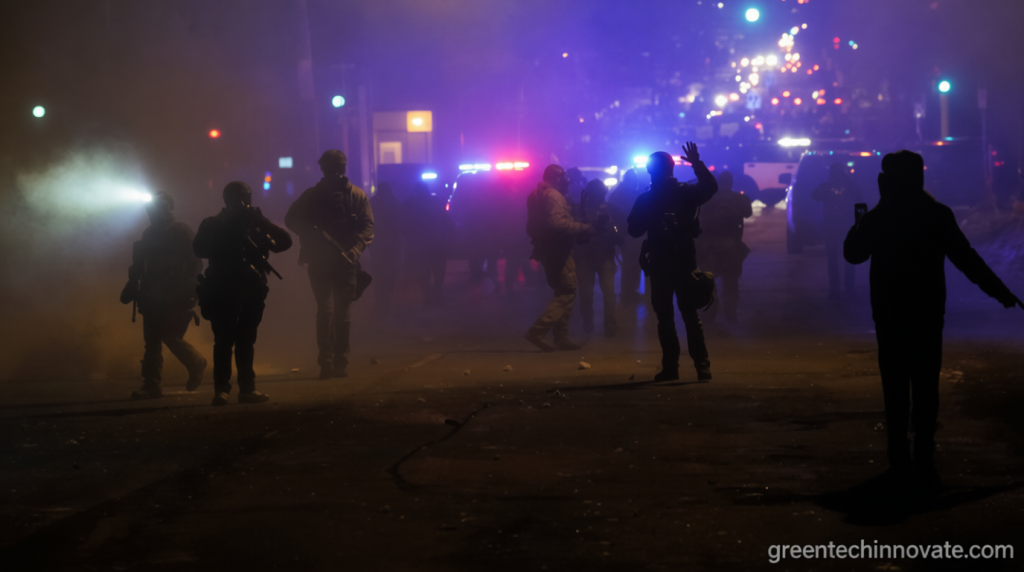
ICE Officer Charged with Assault in Minneapolis Shooting
ICE officer charged with assault in shooting – A federal immigration officer has been charged with multiple counts of assault after a January shooting in Minneapolis, according to Hennepin County Attorney Mary Moriarty. Christian Castro, an ICE agent, faces four second-degree assault charges and one count of false reporting, as authorities investigate the incident that involved two Venezuelan immigrants. The case has drawn attention to the scrutiny of ICE operations during the Trump administration’s immigration enforcement push in the Twin Cities. Moriarty clarified that Castro’s status as a federal officer does not shield him from state-level accountability, emphasizing that no federal official is immune to legal consequences for actions within Minnesota.
Legal Implications of the Case
Castro’s charges could lead to a combined sentence of three to seven years for each assault count, along with fines up to $14,000. The false reporting charge, a misdemeanor, may result in up to 90 days in jail and a $1,000 penalty. This marks a pivotal moment in the legal examination of ICE officers, as local prosecutors intensify efforts to hold agents accountable for alleged misconduct. The case is tied to Operation Metro Surge, a campaign that expanded ICE’s presence in Minneapolis, raising questions about its impact on community relations.
“Falsely reporting crimes is a serious offense,” stated a DHS spokesperson. “The Justice Department is reviewing the statements made under oath by the agents involved. If findings confirm their accounts were misleading, disciplinary measures, including termination, could follow.”
Revised Understanding from Video Evidence
New footage from a city surveillance camera has altered the perception of the January 14 incident. The video shows Julio Cesar Sosa-Celis and his cousin Alfredo A. Aljorna interacting with Castro outside their home, with Sosa-Celis holding a snow shovel. Aljorna runs toward the house, prompting Castro to chase him. The clip captures Sosa-Celis dropping the shovel as they retreat inside, while Aljorna slips near the door. Castro then leaps onto Aljorna, leading to a brief struggle. The state complaint filed on Monday highlights that Sosa-Celis assisted his cousin before the shooting occurred.
Castro fires a single shot through the front door, hitting Sosa-Celis in the leg. At the time, four adults and two children were inside the residence. One of the adults called emergency services, alleging that ICE agents lingered outside after the shot and deployed tear gas to enter the house. Paramedics were delayed for nearly an hour, during which time the injured Sosa-Celis remained unattended. The video contradicts earlier claims that the snow shovel had been used as a weapon, offering a clearer timeline of events.
Experts say the revised evidence challenges the initial narrative that Sosa-Celis and Aljorna had attacked Castro. The footage suggests they were merely defending themselves when the shooting happened. This shift has intensified public debate about the accuracy of ICE’s accounts and the potential for bias in the enforcement process. The case now serves as a focal point for discussions on accountability and transparency within federal immigration operations.
State vs. Federal Accountability
While the federal government initially claimed Sosa-Celis and Aljorna had assaulted an agent, the Justice Department later dropped those charges. Two ICE agents were placed on administrative leave for their sworn statements, which were later called into question. The state of Minnesota is now seeking to address the incident through its own legal framework, with Moriarty leading the prosecution. This move underscores growing tensions between federal immigration policies and local law enforcement standards.
The incident has sparked conversations about the balance between national security and individual rights. Advocacy groups argue that the use of force by ICE officers must be justified, while others highlight the importance of accountability when federal agents act within state jurisdictions. The Minneapolis case adds to a broader pattern of scrutiny, with critics pointing to inconsistencies in the narratives presented by both the state and federal authorities. As the trial progresses, the legal community will closely examine how this case defines the responsibilities of ICE officers in civilian settings.
