

DHS Proposes 75% Increase in Fees for U.S. Citizenship Paperwork
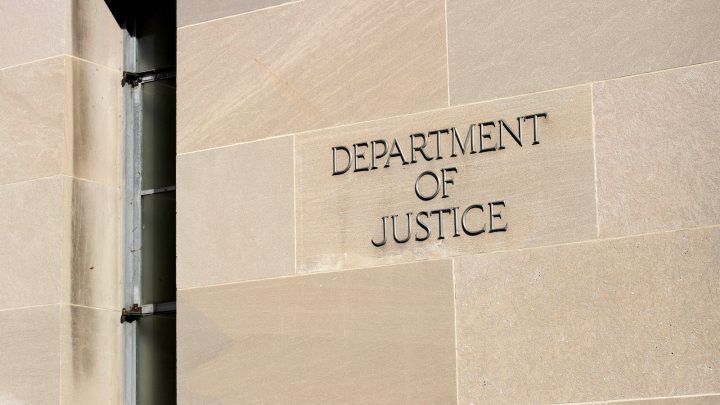
DHS proposes 75 increase in fees – The Department of Homeland Security (DHS) has introduced a proposed rule that could significantly raise the cost of applying for U.S. citizenship. If finalized, the regulation would increase general paper filing fees by 75%, making the process more financially burdensome for applicants. The rule, published in the Federal Register on Monday, is set to take effect after a 60-day public comment period, which will begin the process of implementation.
Fee Adjustments and Waiver Changes
Under the proposed rule, the standard filing fee for naturalization applications is expected to climb from $760 to $1,330. This marks a $570 increase, which is precisely a 75% hike. Additionally, the cost to request reconsideration before an appeals board would jump from $830 to $1,475. This change would add $645 to the existing fee, representing a 77.7% increase.
The adjustment also targets the elimination of most fee waivers, which currently reduce or remove costs for certain applicants. However, current and former members of the armed forces will still be exempt from paying these fees. The rationale behind the change is that the current fee structure does not fully account for the rising expenses of processing applications, including enhanced screening and vetting procedures.
Broader Implications of the Policy Shift
The proposed fee increase aligns with the Trump administration’s strategy to make legal immigration more challenging and costly. According to Rosanna Berardi, an immigration lawyer in Buffalo, New York, this policy reflects a broader effort to reduce access to citizenship for individuals who already hold legal status. “When you simultaneously raise fees, eliminate waivers, and add new vetting layers like neighborhood checks and expanded ‘good moral character’ scrutiny, you are not streamlining a system. You are building walls inside it,” Berardi explained to ABC News.
The rule also highlights the growing emphasis on thorough background checks for applicants. The Department of Homeland Security argues that the current fees do not cover the costs of “thoroughly adjudicating applications for naturalization, including necessary screening and vetting checks,” which are being refined in line with the President’s Executive Orders. These measures are part of a broader effort to strengthen the integrity of the immigration process.
Impact on Applicants and the Process
Becoming a U.S. citizen involves a complex journey that requires not only legal residency or marriage to a U.S. citizen but also a comprehensive background investigation, an interview, and the ability to pass a civics test. The proposed rule would further complicate this process by increasing financial barriers, potentially affecting applicants who rely on fee waivers to manage costs.
The fee hike is not the only change under consideration. The Trump administration has also intensified vetting for those seeking lawful permanent residency, commonly known as green cards. This includes social media checks and additional scrutiny of applicants’ moral character. These measures have already placed a heavier burden on immigrants, and the new rule seeks to extend similar rigor to the naturalization process.
Public Reaction and Context
While the rule focuses on financial adjustments, it also resonates with ongoing debates about the accessibility of citizenship. A recent related article discussed the anxieties of immigrant mothers who are awaiting a decision on birthright citizenship, underscoring the emotional stakes for families navigating the system. The proposed fee increase may amplify these concerns, particularly for those who are already stretched thin by the cost of living and other expenses.
The rule’s implementation will depend on public feedback, with the final decision expected at least 60 days after its publication. Critics argue that the increase could deter qualified applicants from pursuing citizenship, especially those from low-income backgrounds. However, supporters of the policy claim that these adjustments are necessary to sustain the quality and security of the immigration process in the face of growing demands.
Funding and Policy Objectives
US Citizenship and Immigration Services (USCIS) operates on a fee-based model rather than relying on tax dollars. This means that the financial burden of processing applications is passed directly to the applicants themselves. The proposed rule states that the current fees do not fully cover the costs of adjudicating applications, which include enhanced vetting measures and other operational expenses.
By increasing fees and reducing waivers, the administration aims to fund these improvements. The changes also reflect a long-term goal of making immigration more selective and efficient. Advocates suggest that these adjustments will help prioritize cases that meet stringent criteria, while critics warn that the policy could disproportionately impact marginalized communities.
Broader Context and Future Outlook
The proposed fee increase is part of a larger trend under the Trump administration to tighten immigration controls. This includes measures such as expedited removals, border security enhancements, and stricter eligibility requirements for permanent residency and citizenship. The changes are also seen as a response to the rising costs of operations, which have been exacerbated by the need for more rigorous checks and the growing number of applications.
As the public comment period begins, stakeholders will have the opportunity to voice their concerns or support for the new rule. The decision to implement the fee hike could influence the trajectory of U.S. immigration policy for years to come, shaping the experiences of future applicants. Whether this change is viewed as a necessary reform or a barrier to access will likely depend on its broader impact on the community and the administrative process.
“This is entirely consistent with the Trump administration’s broader message of making legal immigration harder, more expensive, and less accessible, not just illegal immigration,” said Rosanna Berardi. Her comments highlight the interconnectedness of these policies, emphasizing how financial and procedural adjustments work together to reshape the immigration landscape.
With the proposed rule now open for public input, the focus will shift to how effectively these changes can be absorbed by the system and the applicants. The stakes are high, and the outcome could determine the future of U.S. citizenship for thousands of individuals seeking to call the country their own. The decision will be a test of whether the administration’s approach to immigration reform can balance cost-efficiency with accessibility for all eligible candidates.