
Butterfly numbers are dropping but here are five species you may see more of
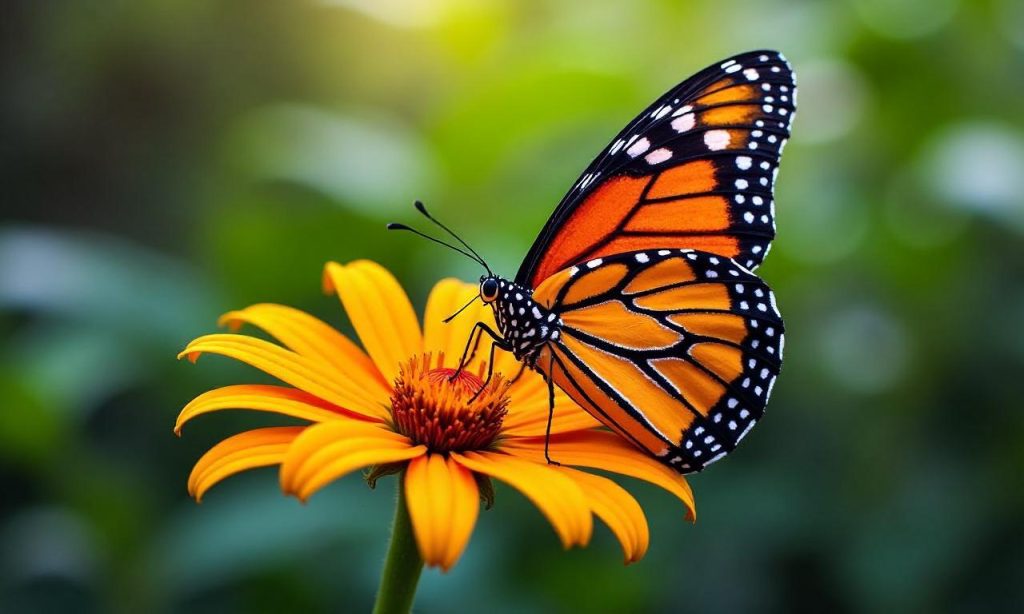
Butterfly Populations in Decline, Yet Five Species Thrive Amid Environmental Shifts
Over the past 50 years, the warming climate has created favorable conditions for certain British butterfly species, according to the UK Butterfly Monitoring Scheme (UKBMS). This extensive project, which has tracked more than 44 million observations from 782,000 volunteers since 1976, reveals a complex trend: while some species are flourishing, others are experiencing sharp declines. The data underscores a growing divergence between adaptable butterflies and those dependent on specialized habitats.
A Tale of Two Trends in Butterfly Populations
The UKBMS findings show 33 of the 59 native butterfly species monitored have seen significant population drops, while 25 have shown improvement. One species remains inconclusive due to limited data. Notable successes include the Red admiral, which now overwinters in the UK as temperatures rise, and the Comma butterfly, whose numbers have rebounded since the survey began. The Orange tip has increased by over 40%, and the Black hairstreak, once critically rare, is recovering thanks to targeted conservation initiatives.
Meanwhile, the Large Blue butterfly has made a remarkable comeback after being declared extinct in 1979. This trend reflects the advantage of species capable of surviving in diverse environments, such as farmlands or urban gardens. Prof Jane Hill, a butterfly specialist at the University of York, calls the dataset “extraordinary,” noting its role as a global benchmark for wildlife tracking.
“Butterflies are cold-blooded, so warmer conditions typically enhance their survival,” Hill explains. “Many British species are near their northern range limit, allowing them to expand into Scotland and northern England as the climate shifts.”
However, species tied to specific ecosystems, like woodland clearings or chalk grasslands, are facing greater challenges. As these habitats shrink due to land-use changes and environmental degradation, their populations are dwindling rapidly. The white-letter hairstreak, whose caterpillars emit a unique glow under UV light, has declined by 80% since 1976. The pearl-bordered fritillary, dependent on violets for its larvae, has also dropped by 70%.
Even among adaptable species, the outlook is mixed. The small tortoiseshell, once a common sight, has seen an 87% decline. Prof Richard Fox, head of science at Butterfly Conservation, laments this loss: “We’ve lost diversity in butterfly communities, much like traditional skills or family shops, due to simplified landscapes and habitat damage.”
The Role of Citizen Science in Tracking Change
The scale of the dataset is a testament to public dedication. Volunteers have collectively traveled over 932,000 miles across more than 7,600 sites. Steve Wilkinson of the Joint Nature Conservation Committee emphasizes the importance of this effort: “Without this evidence timeline, we’d be flying blind. The continuity of data from volunteers is essential for measuring conservation impact.”
Conservation strategies focus on preserving and expanding habitats, especially as farming intensifies and natural areas shrink. Challenges persist because some species rely on narrow food sources. For instance, the Duke of Burgundy depends solely on primroses and cowslips, while the purple emperor caterpillars feed exclusively on willows. Butterfly Conservation’s Magdalen Hill Downs reserve exemplifies efforts to maintain varied ecosystems, supporting both generalists and specialists.
