
Israelis war-weary but most oppose Iran ceasefire, poll suggests
Israelis war-weary but most oppose Iran ceasefire, poll suggests
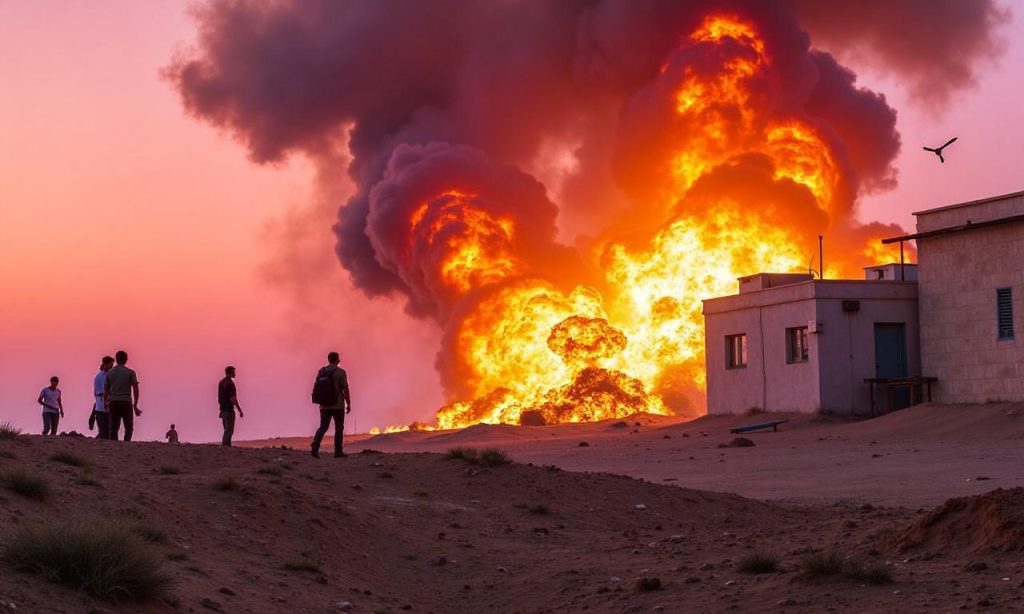
For Liat Zvi, the aftermath of the Iran-Israel conflict has brought a sense of weariness. Sitting beside the shattered windows and cracked walls of her Tel Aviv home, she expresses frustration that the war feels like an endless cycle. “It’s exhausting,” she says, reflecting the sentiment shared by many Israelis. Six weeks prior, her neighborhood was targeted by Iranian missiles in retaliation for US-Israeli strikes. One such missile bypassed Israel’s layered air defenses and struck a residential area, killing Mary Anne Velasquez de Vera, a 32-year-old Filipina caregiver. This marked the first civilian death in Israel during the conflict, which remains in a fragile ceasefire. Now, like others, Zvi questions the war’s outcomes and struggles to envision the future.
Poll reveals divided opinions
A recent survey by the Hebrew University of Jerusalem highlights Israelis’ growing fatigue. Yet, the findings also show a majority remains skeptical of ending hostilities with Iran. Two-thirds of respondents oppose the current ceasefire, according to the poll, which interviewed 1,312 Israelis (1,084 Jews, 228 Arabs) in early April. Most believe neither Iran nor Hezbollah have been significantly weakened by recent bombardments. Respondents described their emotions as “despair,” “confusion,” or “anger,” with “hope” trailing in fourth place.
“If we’re not going to dismantle Iran’s proxies here, then this ceasefire is meaningless,” Zvi argues. “You have to arrive at the table with strength.”
Despite the emotional toll, Israelis are split on whether the conflict should continue. While 39.5% advocate for sustained attacks on Iran, 41.4% support the truce. The division is stark when comparing Jewish and Arab communities. In mid-March, the Jewish People Policy Institute found 93% of Jews back the war, compared to just 26% of Arabs. The Arab public, however, has shifted, with fewer than a fifth endorsing renewed strikes on Iran.
Netanyahu’s initial goals—disarming Iran, dismantling its nuclear program, and altering the Middle East’s power dynamics—have drawn criticism. Opponents claim he has not achieved any of these aims. Nevertheless, he frames the conflict as a “huge success,” emphasizing its impact on Iran’s military capabilities. The poll suggests public sentiment mirrors this divide, with many questioning the value of prolonged engagement.
Lebanon’s role in the ceasefire
The ceasefire’s inclusion of Lebanon remains a contentious issue. While the agreement was brokered with Pakistan, it is unclear whether Lebanon’s involvement aligns with Israel’s objectives. The Hebrew University survey indicates most Israelis believe Hezbollah should not be part of the deal, as its threat persists. “Peace must wait until Hezbollah surrenders its weapons,” Zvi insists. Israel, supported by the US, argues the fight against Hezbollah is separate, but Iran and Pakistan have both stated Lebanon is within the ceasefire’s scope.
Upcoming talks in Washington DC between Lebanon and Israel could mark a diplomatic milestone, though few expect immediate progress. Netanyahu’s agreement to the negotiations followed pressure from President Trump to reduce attacks on Lebanon after the ceasefire began. The Lebanese health ministry reports over 350 casualties—many women and children—during the air strikes. These figures underscore the human cost of the conflict, even as the ceasefire continues.
