
Smart Energy Systems: The Future of Sustainable Power?
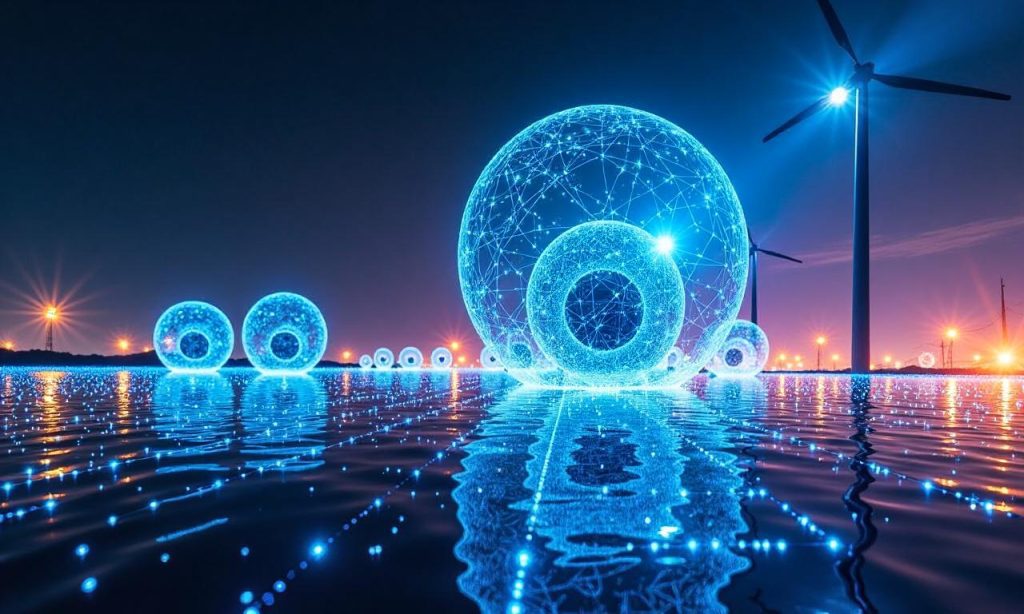
The world is witnessing a transformative shift in how energy is generated, distributed, and consumed, with smart energy systems emerging as a key solution to the challenges of climate change and energy scarcity. As global energy demand rises and environmental concerns intensify, the integration of digital technologies into traditional power networks has become essential. Smart energy systems leverage advanced data analytics, automation, and real-time monitoring to optimize energy use, reduce waste, and enhance reliability. This article explores the concept of smart energy systems, their benefits, challenges, and potential to redefine the future of sustainable power.
What Are Smart Energy Systems?
Smart energy systems are modernized power networks that use digital technologies to improve efficiency and sustainability. Unlike traditional systems, which rely on centralized control and manual adjustments, these systems integrate sensors, communication networks, and smart meters to enable real-time data collection and analysis. This allows for dynamic energy distribution, predictive maintenance, and better management of energy resources. The core idea is to create a more responsive and adaptable energy infrastructure that meets the needs of both providers and consumers.
Benefits of Smart Energy Systems
The advantages of smart energy systems are multifaceted, addressing environmental, economic, and technological concerns. By enabling precise energy usage tracking, these systems help reduce consumption and lower carbon footprints. They also support the integration of renewable energy sources, such as solar and wind, which are intermittent by nature. With smart energy systems, grid operators can balance supply and demand more effectively, ensuring stable energy delivery. Additionally, consumers benefit from greater transparency and control over their energy use, leading to informed decisions and cost savings.
How Smart Energy Systems Work
At the heart of smart energy systems is the Internet of Things (IoT), which connects devices and infrastructure to share data seamlessly. This network includes smart meters, which monitor energy consumption in real time, and smart grids, which adapt to fluctuations in supply and demand. Advanced algorithms and machine learning further enhance these systems by predicting energy patterns and optimizing distribution. For example, during peak hours, smart energy systems can automatically reroute power to areas with higher demand or trigger demand response programs to reduce load. This interconnected approach ensures a more resilient and efficient energy ecosystem.
Integration with Renewable Energy Sources
One of the most significant applications of smart energy systems is their ability to support renewable energy integration. Traditional power grids struggle with the variability of solar and wind energy, but smart energy systems address this by providing real-time monitoring and predictive analytics. They can store excess energy in batteries, distribute it when needed, and even sell it back to the grid. This flexibility is crucial for achieving energy independence and reducing reliance on fossil fuels. Moreover, smart energy systems enable microgrids and distributed energy resources to operate autonomously, further enhancing sustainability.
Challenges and Solutions
Despite their promise, smart energy systems face several challenges that must be addressed for widespread adoption. High initial investment costs, cybersecurity risks, and the need for interoperability between different technologies are common hurdles. However, advancements in cost-effective hardware, improved data security protocols, and standardized communication platforms are helping to mitigate these issues. Governments and private sectors are also collaborating to create incentives and funding programs that support the transition. Overcoming these challenges is vital to realizing the full potential of smart energy systems.
Real-World Applications and Case Studies
Several cities and countries have already implemented smart energy systems with notable success. For instance, in Germany, the Energiewende initiative has transformed the energy landscape by promoting renewable energy and smart grid technologies. Similarly, in the United States, cities like San Diego and Boulder have adopted smart energy solutions to reduce emissions and improve efficiency. These case studies demonstrate how smart energy systems can be tailored to meet local needs while contributing to global sustainability goals. Their real-world effectiveness underscores the importance of innovation in energy management.
The Role of Consumers in Smart Energy Systems
Consumers play a critical role in the success of smart energy systems, as their behavior directly impacts energy efficiency and sustainability. Smart home devices, such as energy-efficient appliances and automated thermostats, empower users to monitor and adjust their consumption. Additionally, demand response programs allow consumers to receive discounts for reducing usage during peak times. This two-way interaction between providers and consumers fosters a more balanced energy market and encourages energy conservation. Engaging consumers is essential for driving long-term adoption and maximizing the benefits of smart energy systems.
Future Trends and Innovations
The future of smart energy systems is bright, with emerging technologies poised to revolutionize energy management further. Artificial intelligence (AI) and blockchain are expected to enhance data security, transparency, and automation in power networks. AI can predict energy demand with greater accuracy, while blockchain enables peer-to-peer energy trading and decentralized power generation. These innovations will not only improve efficiency but also create new opportunities for energy storage and distribution. As technology continues to evolve, smart energy systems will become even more integral to achieving a sustainable energy future.
Sustainability and Environmental Impact
Sustainability is at the core of smart energy systems, as they are designed to minimize environmental harm while maximizing energy efficiency. By reducing reliance on fossil fuels, these systems help lower greenhouse gas emissions and combat climate change. They also promote the use of renewable energy sources, which are cleaner and more abundant. The integration of smart technologies allows for precise energy allocation, ensuring that resources are used optimally. This focus on sustainability makes smart energy systems a cornerstone of modern environmental strategies and energy policies.
Economic and Social Implications
The economic and social benefits of smart energy systems extend beyond just efficiency and sustainability. They can create new job opportunities in the renewable energy and tech sectors, driving economic growth. Additionally, by lowering energy costs for consumers and businesses, these systems help reduce energy poverty and improve quality of life. They also empower communities to take control of their energy production and consumption, fostering energy independence. These social and economic advantages make smart energy systems a valuable investment for both individuals and governments.
The Road Ahead for Smart Energy Systems
To fully realize the potential of smart energy systems, continuous innovation and collaboration are essential. Research and development in AI, IoT, and renewable energy technologies will be crucial in addressing current limitations and enhancing performance. Governments must also play a role by investing in infrastructure, updating regulations, and promoting public awareness. Meanwhile, consumers need to embrace these technologies through informed choices and behavioral changes. Together, these efforts will ensure that smart energy systems not only meet today’s energy needs but also pave the way for a more sustainable tomorrow.
FAQ
Q: How do smart energy systems contribute to sustainability? A: Smart energy systems optimize energy use, integrate renewable sources, and reduce waste, making them vital for achieving long-term sustainability goals.
Q: Are smart energy systems cost-effective for consumers? A: While initial costs may be high, smart energy systems offer long-term savings through efficiency, reduced bills, and better resource management.
Q: What technologies are used in smart energy systems? A: Smart energy systems rely on IoT, AI, smart meters, and blockchain to enable real-time data analysis, automation, and secure energy trading.
Q: Can smart energy systems handle large-scale renewable energy adoption? A: Yes, smart energy systems are designed to manage the variability of renewable sources, ensuring a stable and efficient energy supply.
Q: What are the main challenges in implementing smart energy systems? A: Challenges include high upfront costs, cybersecurity risks, and the need for interoperability between technologies, but these are being addressed through innovation and collaboration.
