
Want to help garden birds? Don’t feed them in warmer months, says RSPB
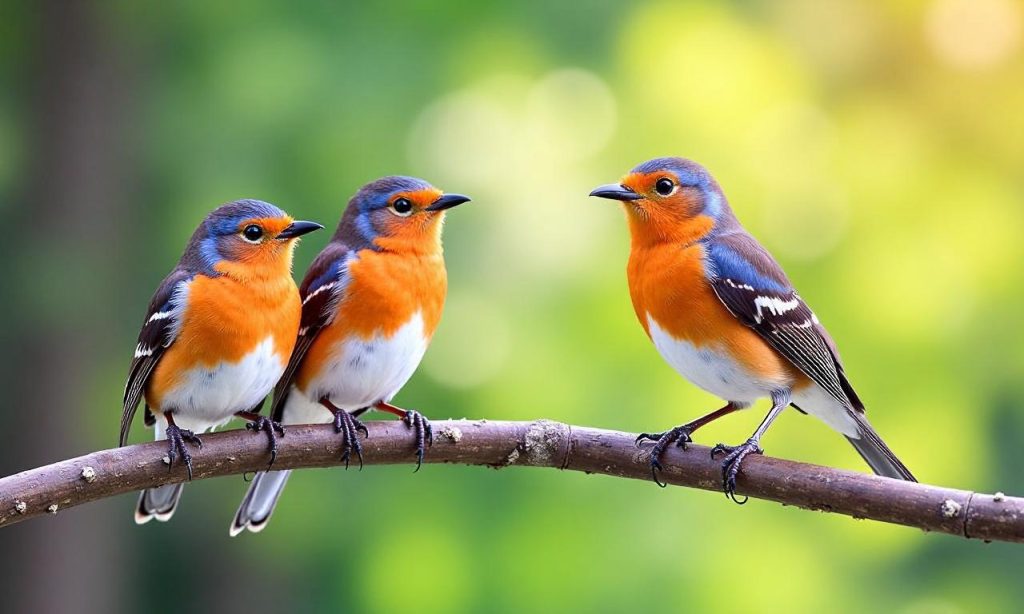
Want to Help Garden Birds? Avoid Feeding Them During Warmer Months, Advises RSPB
The UK’s largest bird conservation organization, the Royal Society for the Protection of Birds (RSPB), is urging gardeners to pause bird feeding activities between 1 May and 31 October to reduce disease risks. While many assume providing food is beneficial, the charity highlights that this practice can inadvertently create breeding grounds for illness among certain species.
The Spread of Trichomonosis
Trichomonosis, a parasitic infection affecting birds’ oral and digestive systems, has led to steep declines in populations of greenfinches and chaffinches. This disease makes it difficult for infected birds to consume food or water, and it spreads through saliva and droppings, contaminating shared feeding areas. Adults can also transmit it to chicks via regurgitated food, amplifying its impact.
Once common in UK gardens, greenfinches have seen their numbers drop by two million, now ranking 18th in the Big Garden Birdwatch survey compared to 7th in 1979. The RSPB’s latest findings show this shift, emphasizing the urgency of adjusting feeding habits.
Feeding Habits and Their Consequences
Approximately 16 million households consistently offer bird food, with one feeder per nine birds in use. The charity argues that stopping feeding during warmer months could slow trichomonosis spread, though it acknowledges the challenge of shifting long-standing practices.
Despite this, the RSPB advocates for “seasonal and safe feeding,” recommending daily water changes and weekly cleaning of feeders. It also suggests moving feeders to prevent debris buildup and using fresh tap water. Flat feeders, previously popular, are no longer sold by the RSPB, marking a departure from traditional setups like bird tables.
Public Reaction and Industry Concerns
“It’s really nice to see them from the window—they look very chipper out there,” says Helen Rowe of the Isle of Dogs in London, who feeds sparrows regularly. She plans to follow the RSPB’s guidance, stopping feeder use during warmer months to protect birds.
Some question whether the advice applies uniformly, noting regional differences in natural food availability. Dick Woods, a manufacturer of easy-to-clean feeders, argues that areas with abundant resources may not need to stop feeding, while others rely heavily on human-provided food.
The pet food industry has criticized the RSPB’s shift, calling it a “significant change to long-established advice.” They warn it could confuse millions of regular feeders, though the charity insists simplicity is key to encouraging widespread adoption of the new guidelines.
The RSPB acknowledges that behavioral change will take time, emphasizing that clear, straightforward recommendations are more effective than complex rules. With millions of feeders in use, the challenge remains to balance human enjoyment with bird health.
