
Jim Whittaker, first American to summit Mount Everest, dies aged 97
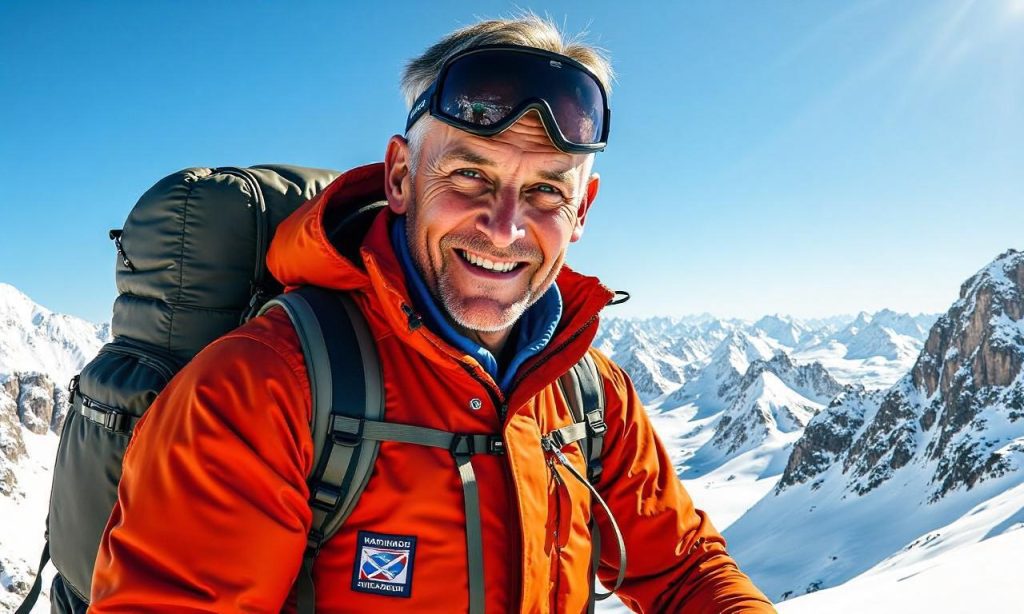
Jim Whittaker, First American to Summit Mount Everest, Dies at 97
Jim Whittaker, the pioneering American climber who became the first to reach the summit of Mount Everest, has passed away at the age of 97, as confirmed by his family. His son, Leif Whittaker, shared details of his passing, noting that the climber died at his home in Port Townsend, Washington, surrounded by loved ones. The obituary described him as a “folk hero” whose life was centered on adventure, dedication to the environment, service, and family.
A Life of Exploration and Service
Whittaker, born in Seattle on 10 February 1929, was a natural leader who began climbing with his twin brother, Lou, as a Boy Scout in the 1940s. Their first major success came at age 16, when they summited Mount Olympus—the tallest peak in the Olympic Mountains—near Seattle. This early achievement set the stage for his later feats, including the historic 1963 ascent of Everest, which marked a turning point for American mountaineering.
He reached the top of the world’s highest mountain on 1 May 1963, accompanied by Nawang Gombu Sherpa. This milestone not only elevated his status as a trailblazer but also sparked a new era of climbing enthusiasm in the United States. The White House honored his accomplishment by awarding him the Hubbard Medal, presented by President John F. Kennedy.
A Legacy Beyond the Peaks
Decades later, Whittaker returned to Everest in 2013, this time with his son Leif, who is also a climber. The journey was chronicled in his memoir, A Life on the Edge, where he reflected on the experience and its broader significance. Throughout his career, he remained deeply involved in the climbing community, leading initiatives at The Mountaineers, a Washington-based alpine club established in 1906.
Whittaker’s influence extended beyond the mountains. His advocacy efforts helped secure the creation of North Cascades National Park, the Pasayten Wilderness, and Redwood National Park. In 1968, he appeared before Congress to champion conservation, demonstrating his commitment to preserving natural spaces for future generations.
Friendship with the Kennedys
His connection to the Kennedy family began during Robert F. Kennedy’s presidential campaign, where Whittaker served as a state chairman. The pair shared a unique bond, both as climbers and political figures. Together, they summited a 14,000-foot peak in Canada, which was later named Mount Kennedy in tribute to the late president.
Whittaker’s role at REI, the outdoor retailer, was equally impactful. He was the company’s first full-time paid employee in 1955 and later became its second president and CEO from 1971 to 1979. His leadership helped shape REI into a cornerstone of the outdoor industry, emphasizing both innovation and environmental stewardship.
Reflections on Adventure and Humility
Whittaker often spoke about the lessons learned on Everest. In a conversation with the BBC, he said:
“You learn, when you climb a difficult mountain, you leave your ego behind and learn that you’re just a little micro-speck in this life. You learn your weaknesses and have a little broader perspective.”
This philosophy resonated throughout his life, guiding his work and personal values.
Washington Governor Bob Ferguson praised Whittaker’s contributions, calling him “one of the great Washingtonians” and highlighting his role in inspiring future generations. REI’s tribute emphasized his enduring impact, stating, “He expanded our sense of what exploration can be” and “was a true trailblazer and generous leader.” His passing leaves a profound legacy in both mountaineering and conservation efforts.
