
Iran Strait of Hormuz warning adds to shipping uncertainty
Iran Strait of Hormuz warning adds to shipping uncertainty
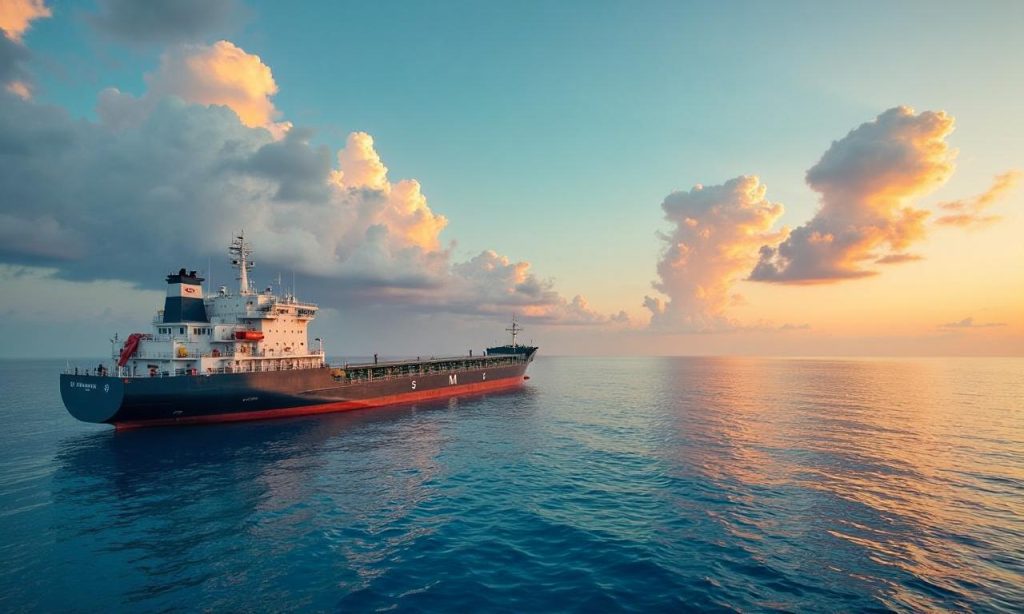
Iran’s navy has issued a caution to maritime vessels traversing the Strait of Hormuz, stating that any ship attempting to pass through without prior authorization will face targeted action. This confirmation comes from SSY, a shipping brokerage firm, shared with BBC Verify. A two-week ceasefire was announced on Tuesday evening, contingent on ensuring “safe passage” through the strategic waterway, yet only a limited number of vessels have ventured through since its implementation.
Strait’s role in global trade
The Strait of Hormuz has emerged as a critical battleground in the ongoing US-Israel conflict with Iran, following Tehran’s disruption of one of the world’s most vital shipping routes. This narrow waterway, measuring approximately 33km at its narrowest, facilitates the transport of about a fifth of global oil and liquefied natural gas. The recent blockade has created ripples across the global economy, escalating energy prices and highlighting the fragility of international supply chains reliant on this passage.
Transport through the region is not restricted to energy resources; it also supports the movement of chemicals essential for manufacturing microchips, pharmaceuticals, and fertilizers. Despite the ceasefire agreement, analysts note that the number of ships crossing the strait remains low, with only three bulk carriers—NJ Earth, Daytona Beach, and Hai Long 1—reported to have transited by 14:00 BST on 8 April, according to BBC Verify’s analysis of MarineTraffic data.
Uncertainty over safe passage
“Most shipping lines would want to get details and reassurances on what it actually takes to transit and those details are not available,” said Lars Jensen from Vespucci Maritime.
The exact conditions for safe passage are still unclear, leading to hesitancy among operators. Ana Subasic from Kpler added, “It is still too soon to tell whether this reflects a broader ceasefire-driven reopening or a previously approved exception.” Richard Meade, editor-in-chief of Lloyd’s List, emphasized the “very dangerous” environment for ship owners, stating, “We know Iran is essentially still in control of the strait… and how that’s going to work is still not clear.”
Analysts suggest that the initial crossings might be exceptions rather than a sign of widespread resumption. Niels Rasmussen of BIMCO noted, “I doubt there will be a large influx of ships into the Gulf… because they do not want to risk being trapped after the two-week window closes.” The uncertainty extends to potential sea mines, with Thomas Kazakos of the International Chamber of Shipping warning, “We need to make sure that we have clear confirmation that the safety of navigation for the ships and the seafarers are being agreed.”
Tolls and geopolitical tensions
Another layer of ambiguity involves possible tolls for passage through the strait. Reports indicate that such fees could be part of the ceasefire arrangement, prompting shipping lines to question whether they will be obligated to pay. Jensen remarked, “The Iranian negotiation position seems to be that you need to pay a toll to go through the strait… and shipping lines will also be hesitant in going down the path of paying that toll.”
Some nations, including India, Malaysia, and the Philippines, have secured safe passage for their vessels in recent weeks. However, the imposition of tolls raises concerns about compliance with US sanctions on Iran, which could have wider implications for shipping operations. While the immediate impact of the ceasefire has reduced oil prices, the broader picture remains one of cautious optimism and lingering doubt among maritime stakeholders.
