
Complete Guide to Renewable Energy Sources: Everything You Need to Know
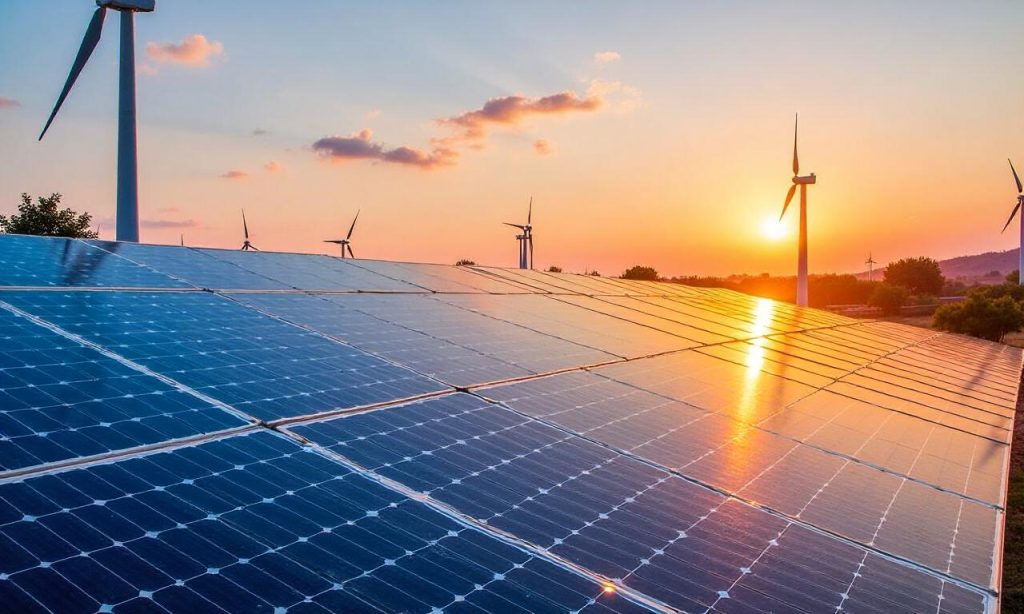
The guide to renewable energy sources is essential for understanding the sustainable alternatives to fossil fuels that are shaping our future. As the world grapples with climate change and the need for cleaner energy, renewable energy has emerged as a key solution. This comprehensive guide explores the different types of renewable energy, their advantages, challenges, and how they are being implemented globally. Whether you’re a student, a professional, or simply curious, this guide will provide all the information you need to know about renewable energy sources and their role in a greener planet.
What Are Renewable Energy Sources?
Renewable energy sources are natural resources that can be replenished over time, unlike finite fossil fuels. These include solar energy, wind power, hydropower, geothermal energy, biomass, and ocean energy. Each of these sources harnesses energy from the Earth’s natural processes, such as sunlight, wind, water, heat, and organic materials. The guide to renewable energy sources highlights their potential to reduce greenhouse gas emissions and provide long-term energy solutions. Unlike non-renewable resources, renewable energy is sustainable and has a lower environmental impact, making it a critical component of modern energy strategies.
Types of Renewable Energy Sources
The guide to renewable energy sources categorizes these energy types based on their availability and technology. Solar energy utilizes sunlight to generate electricity through photovoltaic panels or concentrated solar power systems. Wind power converts kinetic energy from wind into electricity using turbines. Hydropower generates energy by capturing the movement of water in rivers or dams. Geothermal energy taps into the Earth’s internal heat, while biomass relies on organic matter like plants or waste. Lastly, ocean energy includes technologies like tidal and wave power. Each of these sources has unique applications and benefits, depending on geographical and environmental factors.
Advantages of Renewable Energy Sources
One of the primary benefits of renewable energy sources is their sustainability. Unlike fossil fuels, which take millions of years to form, renewable sources are naturally replenished, ensuring long-term energy availability. They also produce significantly fewer emissions, helping to mitigate climate change. Additionally, renewable energy is often cost-effective in the long run, as the resources are abundant and operational costs are low. The guide to renewable energy sources emphasizes that these technologies can create jobs in manufacturing, installation, and maintenance. Moreover, they reduce dependence on imported fuels, enhancing energy security for countries.
Challenges and Limitations of Renewable Energy Sources
Despite their benefits, renewable energy sources face several challenges. Solar energy and wind power, for example, are intermittent, meaning they depend on weather conditions and may not be reliable during low sunlight or calm periods. Hydropower requires large water bodies and can disrupt ecosystems, while geothermal energy is limited to areas with accessible heat sources. Biomass may compete with food production for land use, and ocean energy is still in early development stages with high initial costs. The guide to renewable energy sources also notes that transitioning to these technologies demands significant investment in infrastructure and research. However, ongoing innovations are addressing these limitations.
Environmental and Economic Impact
Renewable energy sources play a vital role in reducing environmental degradation. By replacing coal, oil, and gas, they lower carbon emissions and air pollution, contributing to cleaner air and water. The guide to renewable energy sources also underscores their ability to preserve natural resources and minimize waste. Economically, the renewable energy sector is growing rapidly, with investments creating new industries and employment opportunities. In addition, renewable energy can reduce energy costs over time, as maintenance and fuel expenses are lower compared to traditional sources. This shift supports energy independence and long-term economic resilience.
The Future of Renewable Energy Sources
The future of renewable energy sources looks promising as governments and private sectors invest heavily in research and infrastructure. Advances in battery storage, smart grids, and hybrid systems are addressing the intermittency issues of solar and wind energy. The guide to renewable energy sources also points out that renewable energy is becoming more accessible, with technologies scaling to meet global demand. Countries are setting ambitious targets to transition to 100% renewable energy, driven by the need for sustainability and climate action. As innovation continues, the potential for these sources to dominate global energy production grows, paving the way for a cleaner, more efficient world.
Integrating Renewable Energy into Daily Life
Adopting renewable energy sources requires both individual and collective efforts. For households, solar panels and energy-efficient appliances can reduce reliance on the grid. Businesses can invest in wind turbines or geothermal systems for sustainable operations. Governments play a crucial role by implementing policies that support renewable energy development, such as subsidies or tax incentives. The guide to renewable energy sources also highlights the importance of public awareness and education in driving adoption. As more people recognize the benefits, the demand for renewable energy will continue to rise, pushing industries to innovate and expand.
FAQ
Q: What are the main types of renewable energy sources? A: The main types include solar energy, wind power, hydropower, geothermal energy, biomass, and ocean energy. Each source uses different natural processes to generate power sustainably.
Q: How do renewable energy sources compare to fossil fuels? A: Renewable energy sources are more sustainable, produce fewer emissions, and have lower long-term costs compared to fossil fuels. They also reduce environmental harm and enhance energy security.
Q: Are renewable energy sources reliable for consistent power generation? A: While solar energy and wind power can be intermittent, advancements in storage and hybrid systems are improving reliability. They remain a viable option when paired with traditional energy sources.
Q: What are the biggest challenges in adopting renewable energy? A: Key challenges include intermittency, high initial costs, and the need for infrastructure upgrades. Overcoming these requires investment, innovation, and policy support.
Q: How can individuals contribute to the renewable energy transition? A: Individuals can install solar panels, use energy-efficient appliances, and support policies that promote renewable energy sources. Small actions collectively drive significant change.
