
Iran says it will ‘facilitate and expedite’ humanitarian aid through Strait of Hormuz
Iran Says It Will ‘Facilitate and Expedite’ Humanitarian Aid Through Strait of Hormuz
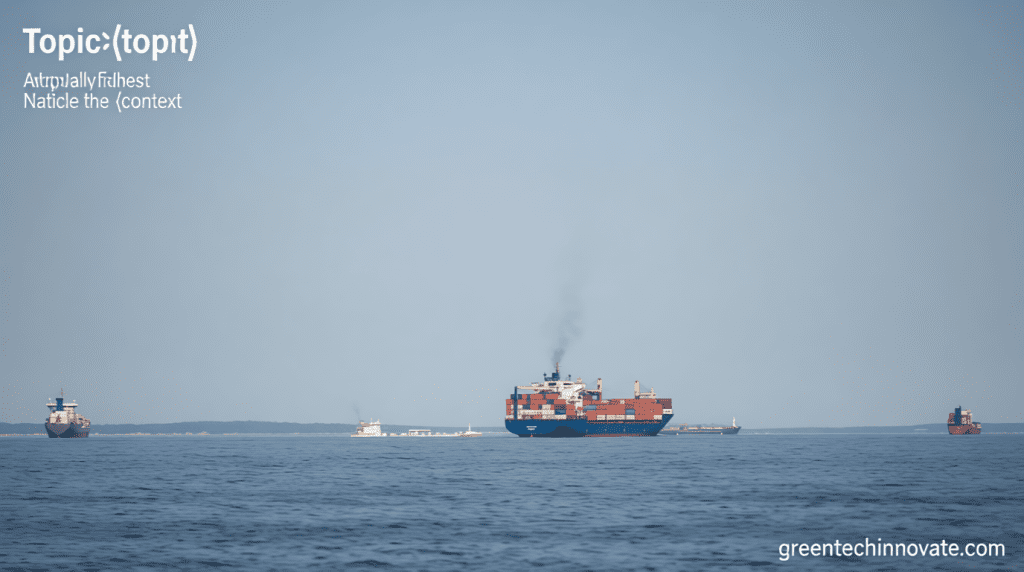
On Friday, the Iranian ambassador to the United Nations in Geneva, Ali Bahreini, announced that Tehran has committed to streamlining the passage of humanitarian aid through the Strait of Hormuz. This decision was made following a request from the UN, allowing essential supplies and agricultural goods to transit the strategic waterway. The timing coincided with Israeli airstrikes targeting Iran’s nuclear facilities, marking a potential shift in the ongoing conflict.
Humanitarian Breakthrough Amid Conflict
This agreement represents a rare concession at the shipping chokepoint, which has been a focal point of disruption since the war began a month prior. While energy exports have dominated global concerns, the restriction of fertiliser supplies has now drawn attention to its impact on agricultural production and worldwide food security. “This step underscores Iran’s dedication to supporting humanitarian initiatives and ensuring timely delivery of vital aid,” Bahreini emphasized in a post on X.
Israeli Strikes and Iranian Retaliation
The UN had previously formed a task force to tackle the consequences of the Iran war on aid distribution. Just hours after the strikes, Iranian state media confirmed that the Shahid Khondab Heavy Water Complex in Arak and the Ardakan yellowcake plant in Yazd Province were hit. Israel claimed responsibility, while Iran vowed to retaliate. “The attack defies the president’s extended deadline for diplomatic engagement,” said Iranian Foreign Minister Abbas Araghchi, accusing the U.S. of enabling the strikes.
“Iran will exact HEAVY price for Israeli crimes.”
The Atomic Energy Organisation noted that the strikes did not result in casualties or radiation leaks. However, the Arak plant, already damaged in June, remains non-operational. Yellowcake, a uranium concentrate, and heavy water, used in nuclear reactors, were the primary targets. Israeli forces later clarified that the Yazd facility processes materials critical to enrichment, calling the strike a significant blow to Iran’s nuclear program.
Global Calls for Restraint
Amid the tensions, the International Atomic Energy Agency reiterated its plea for “restraint” to prevent nuclear incidents. “IAEA Director General Rafael Grossi reiterates his call for military restraint,” the agency stated, citing “no increase in off-site radiation levels” at the affected sites. Meanwhile, diplomats from Pakistan and Turkey attempted to broker a direct dialogue between U.S. and Iranian representatives.
U.S. Military Deployments and Diplomatic Goals
At the same time, U.S. ships were en route to the Middle East, transporting over 2,500 Marines and 1,000 paratroopers from the 82nd Airborne Division. These forces, trained to secure key positions in hostile zones, were deployed as part of a broader strategy. However, Secretary of State Marco Rubio asserted during a G7 meeting in France that most U.S. objectives in Iran were “ahead of schedule” and could be achieved without ground troops.
