
Top 5 Sustainable Energy Solutions for a Greener Future
The world is at a crossroads as the demand for energy continues to rise, driven by industrialization, urbanization, and the growing need for electricity in daily life. Traditional energy sources, such as coal and oil, have contributed significantly to greenhouse gas emissions and environmental degradation. However, the sustainable energy solutions of today offer a path toward a cleaner, more efficient future. By harnessing renewable resources and innovating in energy production, these sustainable energy solutions can reduce our carbon footprint, enhance energy security, and support long-term economic growth. This article explores the top five sustainable energy solutions that are shaping the way forward for a greener planet.
1. Solar Energy: Power from the Sun
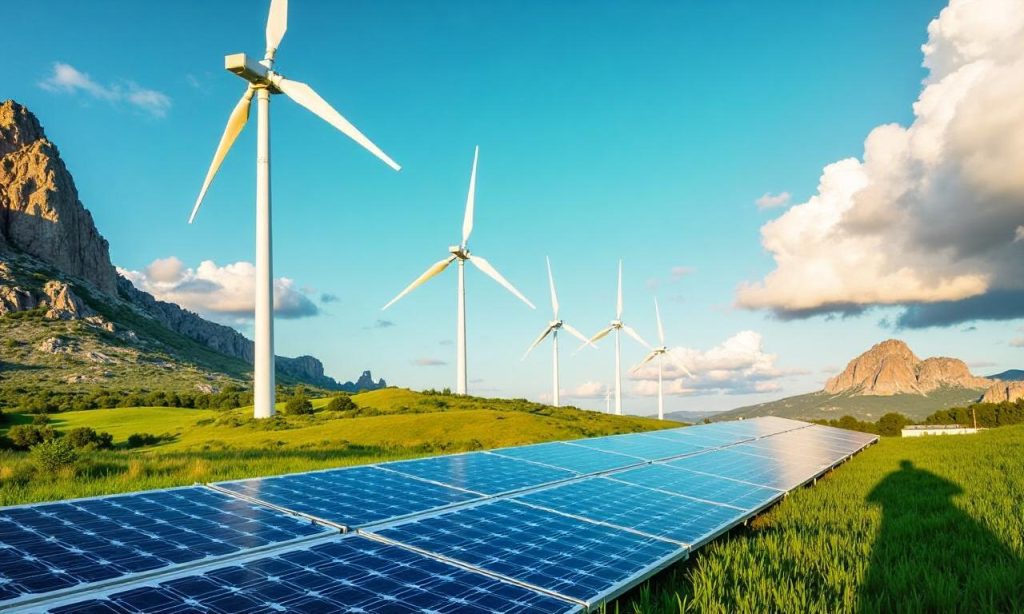
Solar energy is one of the most promising sustainable energy solutions due to its abundance and versatility. Harnessing sunlight through photovoltaic panels or solar thermal systems allows for clean electricity generation without emitting harmful pollutants. As technology advances, the cost of solar panels has decreased significantly, making this sustainable energy solution accessible to a broader range of consumers. Governments and private sectors are increasingly investing in solar infrastructure, which is expected to play a central role in meeting global energy demands sustainably.
2. Wind Power: Capturing the Kinetic Energy of the Wind
Wind power is another key sustainable energy solution that leverages natural forces to produce electricity. Wind turbines convert kinetic energy from wind into electrical energy, offering a reliable and scalable alternative to fossil fuels. Unlike solar, wind energy is not dependent on sunlight, making it a complementary source for year-round power generation. The growth of offshore wind farms and larger turbine designs has improved efficiency, further solidifying wind’s position as a sustainable energy solution.
3. Hydropower: Utilizing Water for Energy Production
Hydropower has been a cornerstone of sustainable energy solutions for decades, relying on the movement of water to generate electricity. This method is particularly effective in regions with consistent water flow, such as rivers and dams. While large-scale hydropower projects can have environmental impacts, modern designs are increasingly eco-friendly, minimizing disruption to ecosystems. The integration of small-scale hydro systems also expands the reach of hydropower as a sustainable energy solution.
4. Geothermal Energy: Tapping into Earth’s Heat
Geothermal energy is a less commonly discussed but highly efficient sustainable energy solution. By tapping into the Earth’s internal heat, this method provides a consistent and reliable source of power, especially in volcanic or tectonic regions. Geothermal plants operate with minimal emissions, making them an excellent choice for reducing carbon footprints. Advances in geothermal technology are helping to make this sustainable energy solution viable in more locations worldwide.
5. Biomass Energy: Converting Organic Matter into Power
Biomass energy involves converting organic materials like agricultural waste, wood chips, and algae into electricity or fuel. This sustainable energy solution is unique in that it can utilize waste products, reducing landfill use and generating energy simultaneously. While biomass combustion does produce some emissions, it is considered carbon-neutral because the plants absorb CO2 during growth. Innovations in biofuel production are expanding the potential of biomass as a sustainable energy solution.
The Role of Innovation in Enhancing Sustainable Energy Solutions
Technological advancements are critical in making sustainable energy solutions more efficient and affordable. Breakthroughs in battery storage, smart grids, and energy management systems are addressing challenges like intermittency and distribution. For example, better energy storage allows solar and wind power to be used even when the sun isn’t shining or the wind isn’t blowing. These innovations not only improve the reliability of sustainable energy solutions but also encourage their adoption across industries and households.
Challenges and Opportunities in Adopting Sustainable Energy Solutions
Despite their benefits, implementing sustainable energy solutions faces several challenges. Initial investment costs, geographic limitations, and public perception can slow progress. However, the long-term savings and environmental advantages often outweigh these hurdles. Additionally, government policies and incentives play a significant role in accelerating the transition to sustainable energy solutions. By fostering collaboration between policymakers, businesses, and communities, these challenges can be mitigated.
The Future of Sustainable Energy Solutions and Global Impact
The future of sustainable energy solutions is bright, with growing momentum toward decarbonization. Countries are setting ambitious targets to increase renewable energy share, and the private sector is driving innovation through green technologies. As these sustainable energy solutions become more integrated into daily life, their impact on reducing global emissions and combating climate change will be profound. The shift toward renewables is not just an environmental necessity but also an economic opportunity, creating jobs and stimulating growth in the green energy sector.
The Importance of Community and Policy Support
Community involvement is essential for the success of sustainable energy solutions. Local initiatives, such as community solar projects or wind cooperatives, empower individuals to take part in the energy transition. Policy support, including tax incentives, subsidies, and regulatory frameworks, also plays a vital role in encouraging investment and adoption. Together, these efforts can drive widespread change and ensure that sustainable energy solutions are accessible to all.
Combining Sustainable Energy Solutions for Maximum Effect
To achieve a truly green future, it is important to combine sustainable energy solutions rather than relying on a single method. A diversified energy portfolio that includes solar, wind, hydropower, and other renewables ensures resilience and reliability. This approach also reduces dependence on any one resource, minimizing risks associated with climate variability or resource depletion. By integrating these sustainable energy solutions, nations can create a robust and sustainable energy system.
How Individuals Can Contribute to the Energy Transition
Individual actions, though small, can collectively make a significant impact on the energy transition. Simple steps like installing solar panels, using energy-efficient appliances, and supporting renewable energy providers contribute to the adoption of sustainable energy solutions. Additionally, consumer demand for green products encourages businesses to invest in sustainability. Every effort to reduce energy waste and prioritize clean sources supports the global movement toward a greener future.
The Economic and Environmental Benefits of Sustainable Energy Solutions
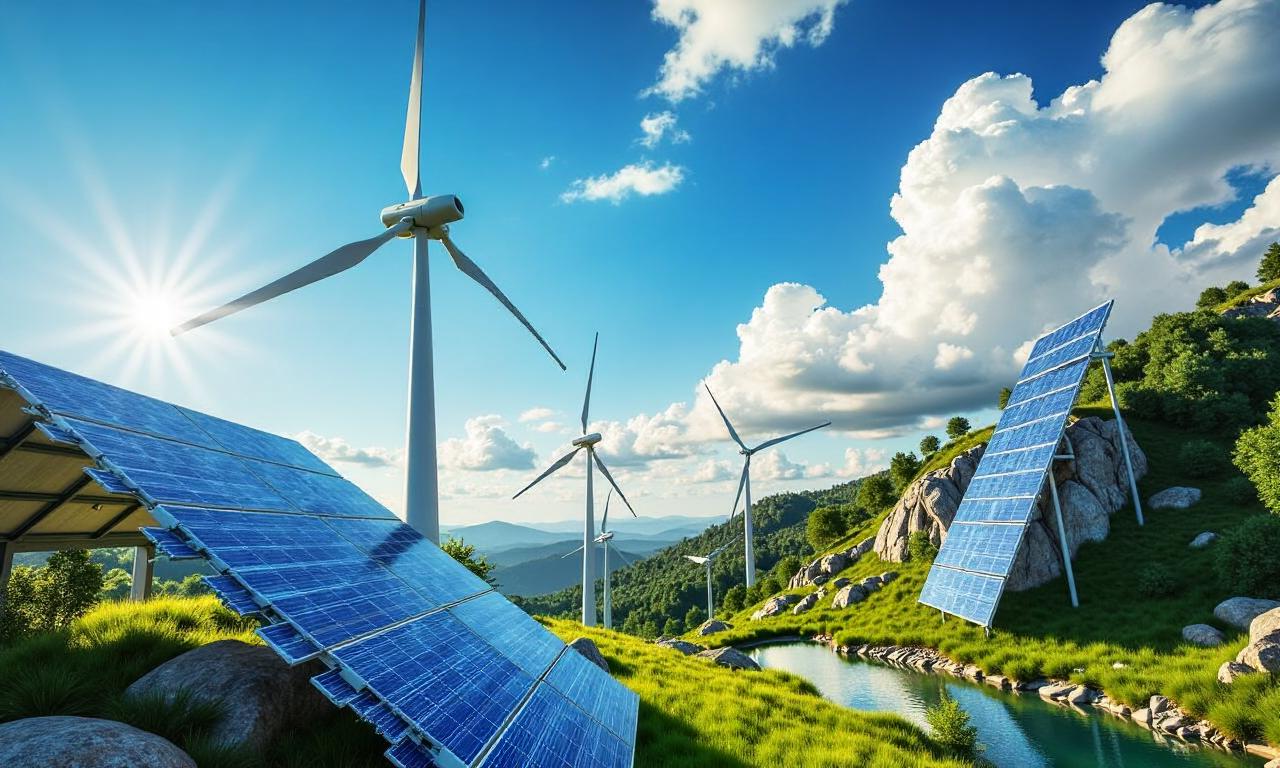
Sustainable energy solutions offer a dual benefit: they reduce environmental harm while also boosting economic growth. Renewable energy projects create jobs in manufacturing, installation, and maintenance, providing employment opportunities in both rural and urban areas. Furthermore, these solutions can lower energy costs over time, as the fuel source is often free or low-cost. The long-term savings and environmental advantages make sustainable energy solutions a win-win for individuals and the planet.
Addressing the Energy Gap with Sustainable Energy Solutions
Many regions still struggle with energy access, and sustainable energy solutions can help bridge this gap. Off-grid solar systems and micro-hydro projects provide electricity to remote communities without the need for extensive infrastructure. These decentralized systems are particularly effective in developing countries, where traditional power grids are underdeveloped. By addressing energy inequality through sustainable energy solutions, we can ensure that all populations have access to clean, reliable power.
Overcoming Barriers to Widespread Adoption of Sustainable Energy Solutions
To overcome barriers, education and awareness are key. Many people are unaware of the benefits and practical applications of sustainable energy solutions, which can hinder adoption. Investing in research and development also helps to refine existing technologies and discover new ones. Additionally, public-private partnerships can drive innovation and reduce costs, making sustainable energy solutions more viable for a broader audience.
The Role of International Cooperation in Scaling Sustainable Energy Solutions
International cooperation is crucial for scaling sustainable energy solutions globally. Agreements like the Paris Climate Accord highlight the importance of shared goals and collaborative efforts in reducing emissions. Knowledge exchange, technology transfer, and financial aid help developing nations adopt renewable energy systems. By working together, countries can accelerate the transition to sustainable energy solutions and create a more sustainable world.
Conclusion
Adopting sustainable energy solutions is no longer optional; it is essential for ensuring a livable planet for future generations. From solar and wind energy to geothermal and biomass, these solutions offer diverse and effective ways to meet energy needs while protecting the environment. The integration of innovation, policy support, and community engagement will determine how quickly we can transition to a greener energy system. By prioritizing sustainable energy solutions, we can reduce reliance on fossil fuels, mitigate climate change, and create a more equitable and prosperous world.
FAQ Q: What are the main benefits of sustainable energy solutions? A: Sustainable energy solutions reduce carbon emissions, lower energy costs over time, and provide long-term environmental and economic benefits.
Q: How do sustainable energy solutions compare in cost? A: While initial costs can vary, sustainable energy solutions often become more cost-effective than fossil fuels in the long run due to lower operational expenses.
Q: Are there any disadvantages to using sustainable energy solutions? A: Some sustainable energy solutions may require specific geographic conditions or have initial installation costs, but these are typically outweighed by their long-term advantages.
Q: How can individuals support the adoption of sustainable energy solutions? A: Individuals can support sustainable energy solutions by investing in renewable technologies, reducing energy waste, and advocating for green policies.
Q: What is the future outlook for sustainable energy solutions? A: The future outlook for sustainable energy solutions is positive, with continued advancements in technology and growing global commitment to environmental sustainability.
