
Climate Solutions vs Traditional Methods: The Future of Sustainable Energy?

What Are Climate Solutions and Traditional Methods?
The debate between Climate solutions vs traditional methods has gained momentum as the global community grapples with the urgent need to address climate change. Traditional energy methods, such as fossil fuels, have long been the backbone of industrialization, providing reliable power but at a significant environmental cost. Climate solutions, on the other hand, focus on renewable energy, energy efficiency, and sustainable practices to minimize carbon emissions and combat global warming. Understanding the differences between these two approaches is essential for determining which one holds more promise for the future of energy. This article explores the key factors that define Climate solutions vs traditional methods, their strengths and weaknesses, and how they shape the path toward a sustainable energy landscape.
Efficiency and Performance: A Comparative Analysis
Traditional energy methods like coal, oil, and natural gas are known for their efficiency vs traditional methods in generating large-scale power. These sources have been refined over decades to produce consistent output, making them reliable for current energy demands. However, climate solutions such as solar, wind, and hydropower are rapidly improving in performance. Advances in technology have increased the efficiency of climate solutions, allowing them to generate more energy with fewer resources. While traditional methods often require extensive infrastructure and can be less flexible, climate solutions are adaptable and can be deployed in diverse environments. This adaptability makes them a compelling option for regions with limited access to fossil fuels.
Cost and Accessibility: The Economic Factor
Cost is a critical consideration when evaluating Climate solutions vs traditional methods. Traditional energy sources are currently cheaper to produce due to established infrastructure and mature supply chains. However, the long-term costs of climate solutions are becoming more competitive. Renewable energy technologies like solar panels and wind turbines have seen dramatic price reductions, making them increasingly accessible to both developed and developing countries. Additionally, the cost of traditional methods includes environmental and health impacts, such as air pollution and greenhouse gas emissions. Climate solutions, while requiring upfront investment, offer sustainable cost savings over time by reducing reliance on finite resources and minimizing environmental damage.
Environmental Impact: A Closer Look
Environmental impact is one of the most defining factors in the Climate solutions vs traditional methods debate. Traditional methods are major contributors to air pollution, water contamination, and carbon emissions, which drive climate change and harm ecosystems. Climate solutions, by contrast, aim to reduce these negative effects. For example, solar and wind energy produce power without emitting harmful gases, while energy efficiency measures cut down waste and resource consumption. Even the environmental impact of traditional methods is not uniform—some are cleaner than others, but none are free from ecological consequences. As climate solutions mature, they are proving to be more eco-friendly and scalable for long-term sustainability.
The Transition to Climate Solutions: Challenges and Opportunities
Transitioning from traditional energy systems to climate solutions presents both challenges and opportunities. One of the main hurdles is the initial investment required for renewable infrastructure, which can be higher than fossil fuel alternatives. However, government incentives and private sector innovation are helping to lower these barriers. Another challenge is the intermittency of some climate solutions, such as solar and wind energy, which depend on weather conditions. Energy storage technologies like batteries are addressing this issue, making these sources more reliable. Despite these obstacles, the transition to climate solutions is accelerating, driven by the urgency of climate action and the declining cost of sustainable technologies.
Policy and Public Awareness: Driving the Shift
Government policies and public awareness play a pivotal role in the Climate solutions vs traditional methods comparison. Regulations such as carbon taxes, renewable energy mandates, and emissions standards create a framework that supports the adoption of climate solutions. Public awareness campaigns also influence consumer behavior, encouraging the shift toward eco-friendly practices and technologies. While traditional methods still dominate in many regions, the growing emphasis on sustainability and environmental responsibility is pushing industries to prioritize climate solutions. This shift is not just about technology but also about societal values and long-term planning for a resilient energy future.
The Role of Innovation in Bridging the Gap
Innovation is a key driver in narrowing the gap between Climate solutions vs traditional methods. Researchers and engineers are continuously improving renewable energy storage, grid integration, and smart energy systems to enhance reliability and performance. For instance, advancements in hydrogen fuel and geothermal energy are expanding the options for sustainable power generation. Meanwhile, traditional methods are also evolving, with carbon capture and storage (CCS) technologies aiming to reduce their environmental footprint. These innovations highlight that the climate solutions vs traditional methods debate is not a binary choice but a dynamic process of adaptation and improvement.
Future Outlook: A Balanced Energy Landscape
Looking ahead, the future of sustainable energy is likely to be a blend of Climate solutions vs traditional methods. Traditional energy sources may still play a role in the short term, especially in developing nations where infrastructure is critical. However, climate solutions are expected to dominate in the long run due to their scalability, lower environmental impact, and alignment with global climate goals. The integration of smart grids, AI-driven energy management, and decentralized power systems will further solidify the position of climate solutions. As the world moves toward a more sustainable energy mix, the balance between these two approaches will determine how effectively we mitigate climate change and meet growing energy demands.
Comparing Scalability and Reliability
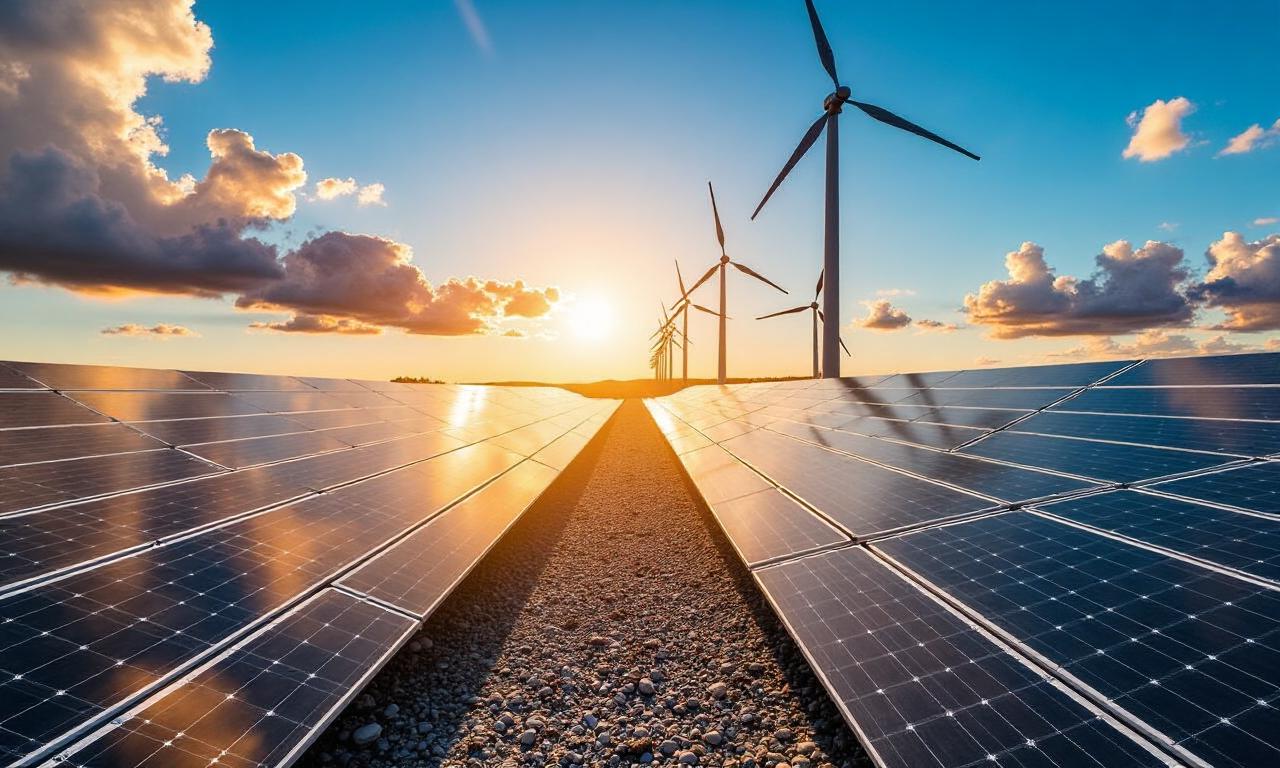
Scalability and reliability are two areas where Climate solutions vs traditional methods differ significantly. Traditional methods have been scaled globally for centuries, making them well-established for large-scale energy production. However, climate solutions are now achieving similar scalability through investments in renewable energy farms and grid expansion. Reliability remains a concern for some climate technologies, but hybrid systems—combining renewables with traditional sources—offer a pragmatic solution. These hybrid models ensure a stable energy supply while gradually reducing carbon emissions. As technology continues to advance, the reliability of climate solutions is expected to match or even surpass that of traditional methods.
The Social and Economic Impacts of the Shift
The shift from traditional to climate solutions also has profound social and economic impacts. In many regions, traditional energy industries provide employment and economic stability, so transitioning to climate solutions requires careful planning to avoid job losses. On the other hand, the renewable energy sector is creating new opportunities in manufacturing, installation, and maintenance. Additionally, climate solutions often have lower operational costs, which can reduce energy bills for households and businesses. The climate solutions vs traditional methods comparison must also consider these social and economic dimensions to ensure a just and equitable energy transition.
Conclusion
The Climate solutions vs traditional methods debate underscores the importance of balancing immediate needs with long-term sustainability. While traditional methods have proven reliable and cost-effective, their environmental toll highlights the urgency of adopting climate solutions. The growing efficiency and affordability of renewables, combined with innovative storage and smart grid technologies, are making the transition more viable. However, success depends on supportive policies, public awareness, and continued investment in research and infrastructure. As the world moves toward a sustainable energy future, the integration of both approaches will likely shape the path forward, ensuring energy security while reducing environmental harm.
FAQ
Q: Which is more cost-effective, Climate solutions vs traditional methods? A: While traditional methods are currently cheaper, the long-term savings of climate solutions often outweigh initial costs.
Q: Are climate solutions vs traditional methods mutually exclusive? A: No, they can complement each other, with traditional methods serving as a bridge while climate solutions scale up.
Q: How do climate solutions vs traditional methods affect energy access in developing countries? A: Climate solutions offer scalable and accessible alternatives, enabling energy access without depleting natural resources.
Q: What are the main challenges in implementing Climate solutions vs traditional methods? A: High upfront costs, infrastructure requirements, and public resistance are key challenges.
Q: Can climate solutions vs traditional methods coexist in the energy sector? A: Yes, a hybrid approach combining both can ensure stability during the transition to sustainability.
