
Russian gas tanker drifting in the Mediterranean may explode, threatening environmental disaster
Russian Gas Tanker Drifting in the Mediterranean May Explode, Threatening Environmental Disaster
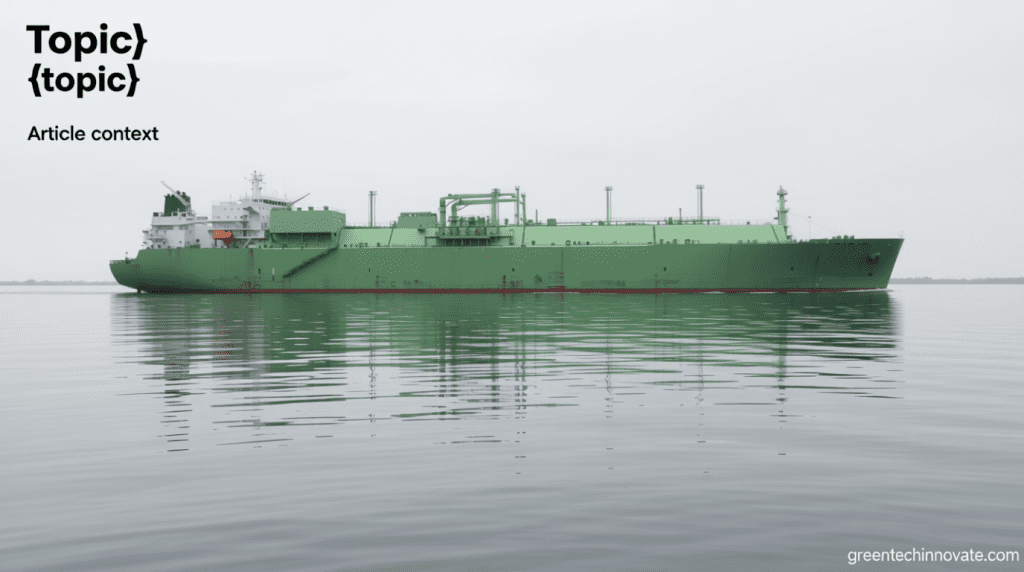
A Russian gas tanker, the Arctic Metagaz, has been adrift in the Mediterranean Sea for nearly two weeks after a series of explosions, raising concerns among coastal nations and environmental groups. The vessel, which is part of a sanctioned “shadow fleet,” is believed to have been targeted by Ukrainian maritime drones, according to Russian officials. However, Kyiv has not yet confirmed or denied these allegations.
Following the blasts, Libyan authorities initially misidentified the ship as a wreck on March 4th, unaware of the ongoing threat. The 277-meter tanker, its hull scorched by flames, lost control on March 3rd, forcing thirty crew members—comprising mostly Russian and Filipino nationals—to abandon the vessel. Aerial images from the aftermath reveal a gaping hole several dozen meters wide along the waterline, highlighting the severity of the damage.
Despite the crew’s evacuation, the situation remains volatile. Russian reports indicate that explosions continue to echo from within the ship, with gas emissions, rising instability, and isolated fires reported in various compartments. At the time of the evacuation, the tanker still held 450 tonnes of fuel oil, 250 tonnes of diesel, and substantial natural gas reserves, amplifying the risk of a catastrophic event.
Footage captured by AFP on Sunday shows the Arctic Metagaz approximately 50 nautical miles southwest of Malta, with its stern and flanks darkened by the fire. Environmentalists have dubbed the vessel a “floating time bomb,” warning that a spill or explosion could devastate one of the Mediterranean’s most ecologically rich regions. Experts stress that the damaged hull and internal pressures make the scenario unpredictable.
European governments are also grappling with the crisis. Italy, France, and seven other EU states have jointly urged the European Commission, citing an “immediate and serious danger” to the area. The ship’s drift between Malta and the Italian islands of Lampedusa and Linosa, while in international waters, has complicated efforts to assign responsibility for intervention.
“Moscow maintains control of the situation as the flag state,” stated Russian Foreign Ministry spokeswoman Maria Zakharova. “Yet international maritime rules place the obligation to prevent environmental harm on coastal nations.” Her comments underscore the ongoing diplomatic debate over who should act to avert a potential disaster.
Rescue teams are stationed in Malta, prepared to respond if the ship approaches the country’s territorial waters. However, the question of who should take the lead in managing the crisis remains unresolved, with competing claims over jurisdiction and accountability.
