
US wants help to guard Strait of Hormuz, but EU is not keen
US Wants Help to Guard Strait of Hormuz, but EU is Not Keen
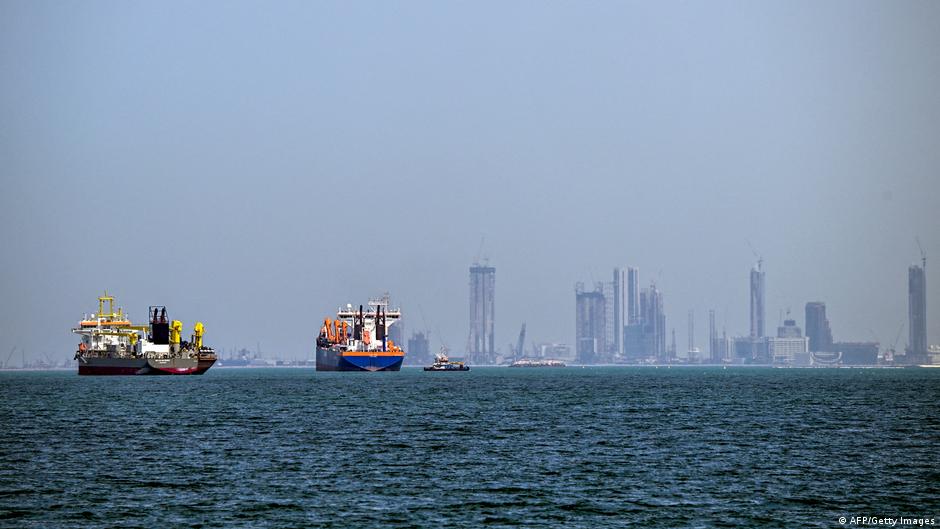
European Union foreign affairs ministers convened in Brussels, where US President Donald Trump’s push for European allies to ensure safety of the Strait of Hormuz dominated discussions. The waterway, which handles roughly 20% of the world’s crude oil, has been targeted by Iran in response to the US-Israeli military campaign. Despite the strategic importance, many EU nations remain hesitant to involve NATO in the effort.
Charles Hecker, an Associate Fellow at the Royal United Services Institute (RUSI), noted that European countries are reluctant to deploy forces to protect the strait. “They fear becoming additional targets for Iran,” he explained to DW. Meanwhile, EU chief diplomat Kaja Kallass emphasized the bloc’s interest in maintaining the strait’s open status, stating that discussions were ongoing with “US colleagues on different levels.” However, she concluded that there was “no appetite” for expanding the EU’s maritime mission in the area at this time.
“It’s only appropriate that people who are the beneficiaries of the strait will help to make sure that nothing bad happens there,” Trump asserted in a Financial Times interview. He warned that a lack of response could harm NATO’s future.
Spiking energy costs and supply crises have strained the already tenuous EU-US relationship. The financial burden has further complicated Europe’s position, with von der Leyen highlighting the impact: “Since the start of the conflict, gas prices have surged by 50%, and oil prices have climbed by 27%.” European taxpayers have already spent an additional €3 billion on fossil fuel imports in just 10 days of the Iran war, she said in a speech to the European Parliament.
Analysts argue that Trump’s demand is part of a broader strategy to draw Europe into the US and Israel’s conflict with Iran. “The only winner right now is Russia,” Hecker observed, noting that the country is capitalizing on rising energy prices to bolster its war in Ukraine. EU ministers also considered how the situation might benefit Russia, potentially allowing it to redirect funds from fossil fuel exports to support its military operations.
While Germany’s Foreign Minister Johann Wadephul dismissed NATO’s role in securing the strait, France showed more openness. President Emmanuel Macron indicated willingness to assist “once the hottest phase of the conflict is over,” signaling a potential shift in European stance. Nonetheless, Hecker suggested that France and the UK may not commit immediately, citing uncertainty about the US and Israel’s strategic goals.
The EU is grappling with the economic fallout of the blockade, which has left it increasingly dependent on costly and unstable fossil fuel imports. As tensions mount, the question remains whether European nations will rise to the challenge—or remain cautious in their support for US-led initiatives.
