
Zelenskyy meets Macron as Iran war overshadows Ukraine
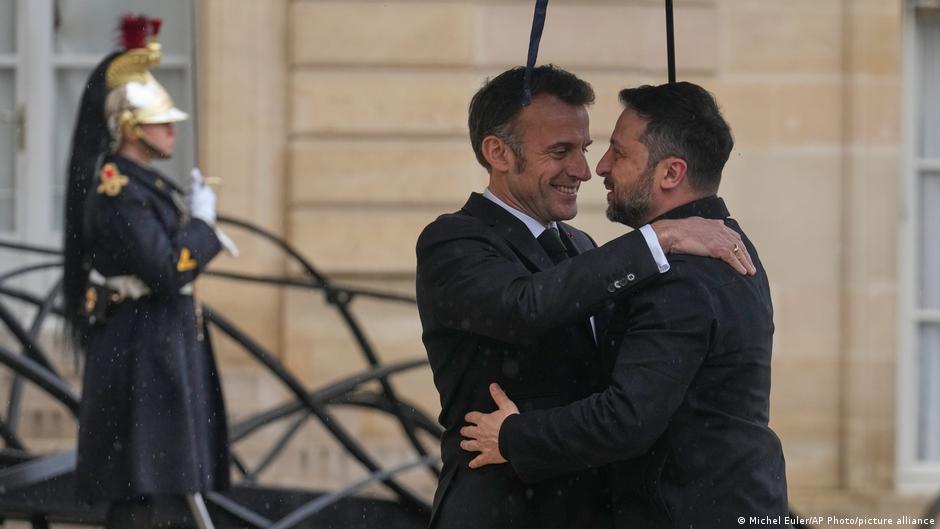
Zelenskyy meets Macron as Iran war overshadows Ukraine
Ukrainian President Volodymyr Zelenskyy arrived in Paris to engage with French President Emmanuel Macron, a key ally of Kyiv, amid escalating tensions in the Middle East. The meeting occurs as the conflict between the U.S. and Iran intensifies, diverting focus from the ongoing war in Ukraine, which has now entered its fourth year. Zelenskyy’s visit aims to reignite discussions on concluding the war, despite the geopolitical shift caused by the oil-rich Gulf nations becoming targets of Iranian strikes.
France’s official stance ahead of the meeting underscored its resolve to maintain focus on Ukraine, stating,
“The key message of this visit, and its primary purpose, is to show that nothing – no crisis, no development – will divert our attention from Ukraine, which remains for us a major security issue.” Our support for Ukraine will not waver.”
The talks are expected to address strategies to apply pressure on Moscow, including targeting its “shadow fleet” of aging tankers that evade sanctions by transporting oil. The Iran war, which has reached its second week, has disrupted these efforts, complicating the path to peace.
The ongoing strikes on Gulf countries, particularly Abu Dhabi, have raised concerns about their vulnerability to Iranian attacks. By blocking the Strait of Hormuz, a vital corridor for global oil transport, Tehran has contributed to a sharp rise in oil prices. Brent crude oil prices are currently fluctuating around $100, reflecting the economic strain caused by the conflict.
In an effort to mitigate the impact of soaring oil prices, the Trump administration announced a 30-day temporary allowance for the sale of sanctioned Russian oil at sea. This move has drawn sharp backlash from Ukraine and European allies, who argue that easing sanctions could provide Russia with an estimated $10 billion to sustain its war efforts. During a press conference, Macron defended the G7’s decision to keep sanctions in place, asserting,
“As for the G7, the common position has indeed been to maintain sanctions against Russia, and for the Europeans and France, it is also to maintain them. The current situation in no way justifies lifting these sanctions.”
Zelenskyy expressed dismay over the U.S. decision, stating,
“This single easing by the US could provide Russia with around $10 billion for the war. It certainly does not help [to achieve] peace.”
Meanwhile, Gulf states facing frequent Iranian drone and missile assaults are scrambling to replenish their air defense supplies. Zelenskyy warned that this demand could worsen Ukraine’s shortage of air defense missiles, noting that Gulf nations have reportedly used more PAC-3 systems in recent days than Kyiv has received from the U.S. over four years.
Despite the challenges, Zelenskyy is seeking to leverage the situation by offering Gulf states access to Ukrainian drone interception technology in exchange for their air defense systems. He hopes this could build ties with Russia-friendly Gulf nations, potentially giving them leverage over Moscow. The meeting also highlights the broader geopolitical ripple effects of the Iran war, as Ukraine’s crisis takes a backseat to global energy dynamics.
On Friday, a Russian missile strike killed three people in Kupiansk, an eastern Ukrainian town under siege. Local investigators reported that the attack hit a bus near Nova Oleksandrivka, leaving the driver and two passengers dead. Four others were injured, with nearby private homes also damaged. The Kremlin has not yet commented on the incident, maintaining that its forces do not intentionally target civilians.
