
Police to use Thames to separate protesters at Al Quds protest
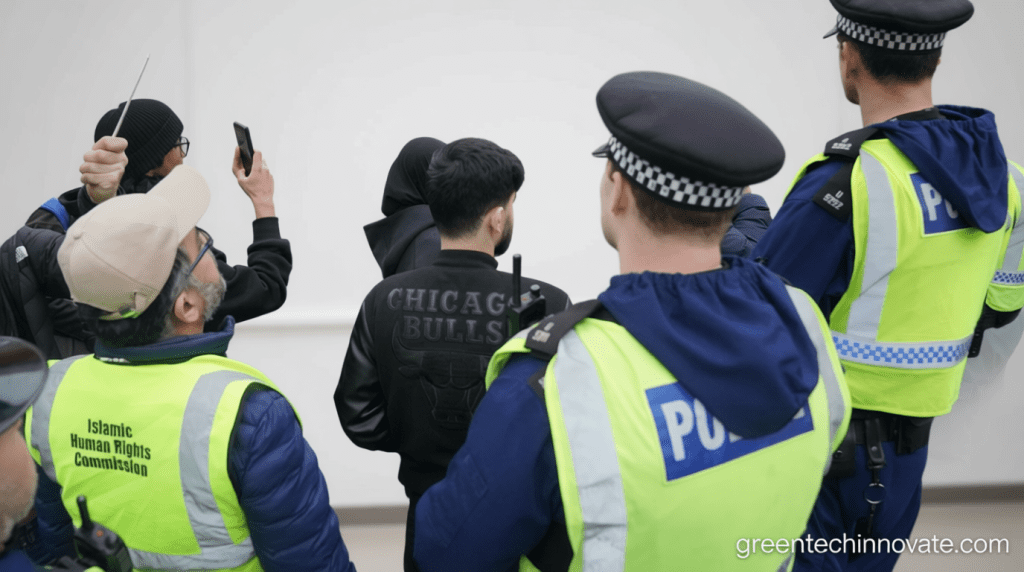
London Police Deploy River Thames as Dividing Line for Al Quds Demonstrations
On Sunday, London’s Metropolitan Police will employ the River Thames as a strategic barrier to divide participants in the Al Quds Day rally from opposing demonstrators. This approach aims to manage potential clashes between groups during the event.
March Banned Amid Concerns Over Public Order
Earlier this week, the Home Secretary, Shabana Mahmood, approved the Metropolitan Police’s request to halt a planned march toward the Home Office. The move was justified to “prevent serious public disorder,” according to officials.
Organizers Claimed Ban Reflects Political Bias
The Islamic Human Rights Commission (IHRC), the rally’s organizers, insisted that a “static” protest will proceed. They labeled the ban as a “politically motivated decision,” emphasizing it remains a peaceful, pro-Palestinian gathering.
Thames as a Novel Tactic to Manage Tensions
During a Thursday briefing, Assistant Commissioner Ade Adelekan described the Thames as a “new bespoke tactic” to address the “unique set of circumstances” of the Al Quds rally. The plan includes containing counter-protesters in Millbank while protesters gather on Albert Embankment.
Expected Attendance and Traffic Restrictions
The Met anticipates at least 6,000 attendees for the Al Quds event, along with 6,000 counter-protesters. However, they warned the numbers could rise significantly due to escalating tensions in the Middle East. Lambeth and Vauxhall Bridges will be closed to all vehicles except emergency services.
Comprehensive Policing Strategy
Over 1,000 officers, including community policing units and other agencies, will police the event. Additional patrols will be deployed in “vulnerable areas” across London, particularly those with large Jewish communities.
Zero Tolerance for Hate Crime
Adelekan confirmed a “zero tolerance” stance on hate crime, stating arrests will occur for anyone expressing support for proscribed organizations.
“The ban and security measures do not completely remove the risk of disorder, but they will make the protest ‘immeasurably easier to police,’ ” the assistant commissioner added.
The Met’s decision to block the march was based on the rally’s history, community tensions, and an “intelligence gap,” among other factors. The tradition of Al Quds Day began after the 1979 Iranian Revolution, typically held on the final Friday of Ramadan, and is globally recognized as a pro-Palestinian demonstration.
Be the first to get Breaking News Install the Sky News app for free
