
‘We can’t take it anymore’: How Trump is pushing Cuba to the brink
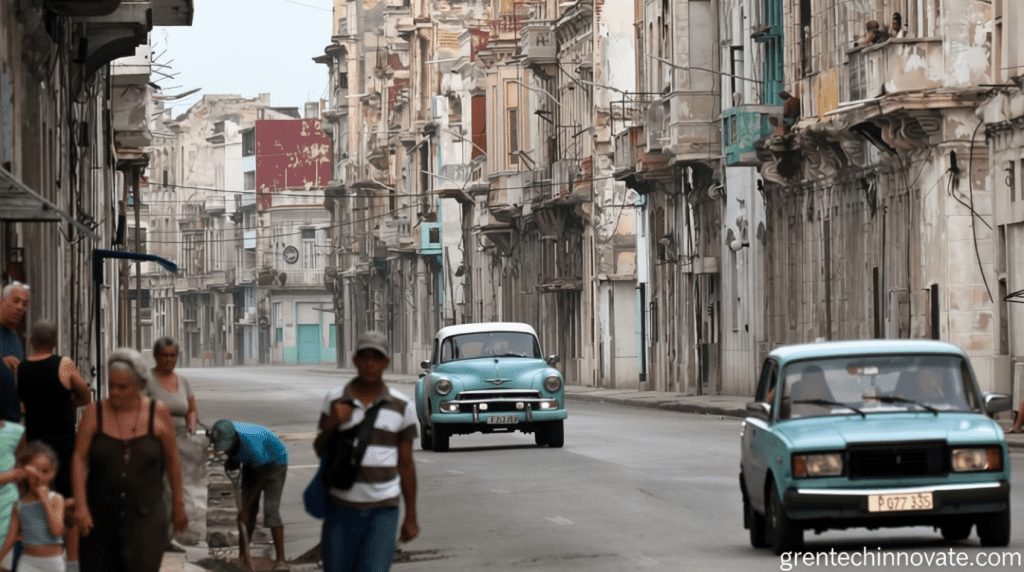
We can’t take it anymore’: How Trump is pushing Cuba to the brink
Cubans have endured decades of political and economic turmoil, but the current situation feels different. A man approached me on Havana’s streets, his voice barely audible as he whispered, “Let the Americans come, let Trump come, it’s time to get this over with.” His words carried a quiet desperation, a sentiment shared by many who have grown weary of the ongoing strain on their daily lives.
A Legacy of Struggle
Since Fidel Castro’s revolution in 1959, Cuba has weathered multiple challenges: CIA-backed coups, nuclear confrontations, and mass departures. Now, the island faces a new chapter under Donald Trump’s administration, which has intensified economic pressure with unprecedented force. Trump’s statements, such as declaring “Cuba is going to fall soon” during an interview with CNN’s Dana Bash, echo past rhetoric but carry fresh urgency.
Strategies of Economic Pressure
In his second term, Trump has launched aggressive campaigns against Venezuela and Iran, targeting their leaders with calculated precision. Cuba, once a resilient bastion under decades of sanctions, now appears vulnerable. The president’s swift imposition of a strict oil embargo has disrupted Havana’s energy supply, cutting off fuel from remaining allies. This has left hotels, built at public expense, standing empty, and employees idle. Tourists, too, have dwindled, as planes lack the fuel to depart.
Blackouts and Survival
Power outages have grown more severe, lasting days rather than hours. When the lights flicker on, Cubans rise at midnight to prepare meals and iron clothes, using whatever resources remain. During a recent 36-hour blackout, a group of men cooked over burning tree limbs on a Havana street. “We have returned to the Stone Age,” one man said, his tone unexpectedly cheerful.
Fuel Shortages and Black Market Tides
With no fuel available, roads have become eerily quiet. Government-owned tourist cars, marked with T-Plates, are the only vehicles regularly refueling at state stations. Cubans siphon fuel from these cars to sell on the black market, where a single tank costs over $300—more than the average annual income. Trash piles now serve as hunting grounds for food, with children often joining the search.
Resilience Amid Crisis
Despite the hardship, the Cuban government remains defiant. Officials insist the US will never again control Cuba’s fate, though Trump claims the island is eager to negotiate. The nation’s rallying cry—“The homeland or death. We will be victorious!”—echoes through speeches, even as citizens express exhaustion and hope for change, no matter the form it takes.
A Whispered Plea
When my cameraman finally returned, I asked the taxi driver if he wanted to share his thoughts for the story. He quickly walked away, choosing to keep his frustrations quiet for now. His words, though, lingered as a stark reminder of the pressure mounting on the island’s people.
