
How international news outlets report under Israel’s military censor during wartime
How international news outlets report under Israel’s military censor during wartime
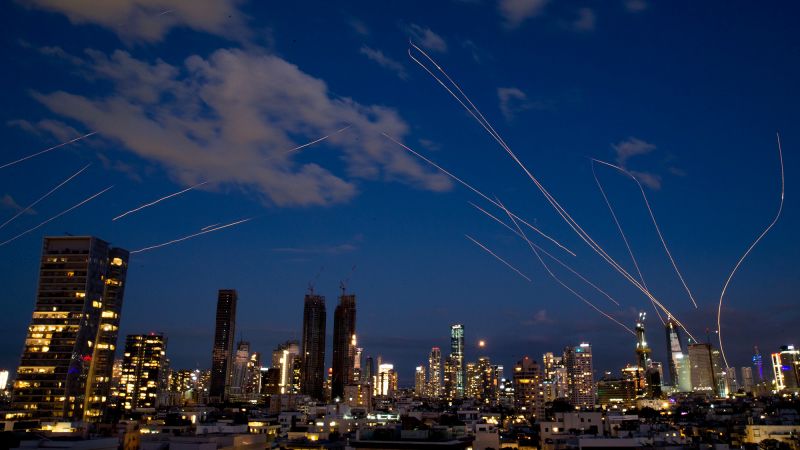
During periods of conflict, Israel’s military censorship extends to both journalists and the general public. This system, justified on national security grounds, allows authorities to block the release of material that might expose classified information or jeopardize the nation’s strategic interests. In wartime, the focus intensifies, with the military censor explicitly forbidding live broadcasts that reveal the positions of interceptor missiles or locations where enemy projectiles have struck. Such restrictions are particularly strict in real-time coverage, as highlighted by the Chief Censor’s 1988 directive.
“Every person who prints or publishes printed matter or a publication concerning state security… must submit it to the censor before printing or publishing it.”
The regulation, which has been in place since Israel’s establishment, emphasizes the necessity of pre-approval for content related to security. However, this does not grant the censor power to alter CNN’s editorial direction. Instead, it ensures sensitive details are not inadvertently disclosed. CNN has been open about its collaboration with the censorship process, particularly when reporting from embedded positions with the Israel Defense Forces (IDF).
Israel is not alone in imposing media restrictions during war. In Ukraine, which has been under martial law since Russia’s full-scale invasion four years ago, similar controls apply. For example, reports on troop withdrawals or the movement of armored vehicles and weapons near the frontlines are closely monitored. Typically, international media works with IDF embeds, where journalists capture footage and allow the censor to review it before broadcast. This practice is standard across other military embeds as well.
Yet, the current conflict has seen a shift in these protocols. While pre-war footage of missile intercepts was freely shared, the censor now blocks live broadcasts of Iranian ballistic missile defenses. Despite most intercepts being successful, the restriction has tightened since the war began. Social media and Telegram channels show numerous videos of missile activity, but the censor prioritizes control over international media, even if the Israeli public freely shares such content.
Since the war started on Saturday morning, CNN has not submitted any video for review. However, the censor still prohibits the network from airing live intercepts that might disclose the precise locations of missile defense systems. This underscores the growing pressure on foreign outlets to comply with tighter security guidelines. Israeli far-right Minister of National Security Itamar Ben Gvir has amplified this focus, framing the censor as a tool for strict enforcement.
“Anyone who endangers Israel’s citizens in the name of ‘journalistic reporting’ will face a determined and tough police force. No concessions, no games.”
