
Iceland to hold referendum on resuming EU membership bid
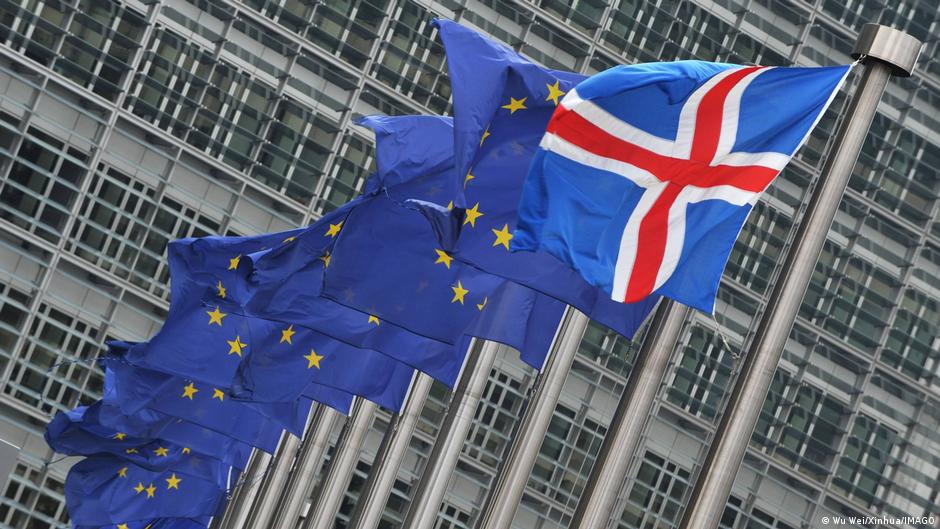
Iceland to Hold Referendum on Resuming EU Membership Bid
Iceland’s government announced plans to conduct a referendum in August regarding the resumption of EU membership negotiations. The decision to hold the vote on August 29 was approved by the Cabinet, with the proposal set to be presented to parliament, the Althingi, in the coming week. This move follows a shift in national priorities driven by economic pressures, the ongoing conflict in Ukraine, and concerns over US geopolitical influence.
Public Support and Political Context
A recent Gallup poll indicated that 57% of Icelanders support restarting discussions about joining the European Union, while 30% remain against it. The referendum marks a pivotal moment, as approval could lead to a second vote on full membership. Prime Minister Kristrun Frostadottir’s center-left coalition government argues that Iceland’s position vis-à-vis Brussels is strong, emphasizing its reliability as a partner.
“The geopolitical context is fundamentally different today than when Iceland first applied for membership,” said EU Enlargement Commissioner Marta Kos. “In a world of competing spheres of influence, EU membership offers an anchor into a bloc grounded in values, prosperity and security.”
The government’s decision reflects growing public anxiety over inflation and the Arctic’s shifting dynamics, particularly with Russia’s invasion of Ukraine prolonging regional instability. Concerns also persist about potential impacts on Iceland’s fishing sector, which some fear could be affected by EU regulations on shared North Atlantic waters.
Although Iceland has maintained close ties with Europe for decades, resistance to membership remains, especially among agricultural communities and those wary of EU control over domestic industries. Currently, the nation participates in the European Economic Area (EEA) and the Schengen visa-free travel zone, while also being a NATO member. It is the smallest of the alliance, relying on collective security for defense.
Historical Background
Iceland initially pursued EU membership in 2009, following the financial crisis that devastated its investment-banking sector. However, in 2013, its then-euroskeptic government suspended talks. The current push for reengagement was accelerated by US President Donald Trump’s threats to annex Greenland from Denmark, as well as his mix-up between Iceland and Greenland during a speech at the World Economic Forum in Davos.
EU accession involves a lengthy process overseen by the European Commission, requiring applicants to meet 35 criteria spanning economic systems, fisheries, transportation, and social policies. All 27 existing member states must agree unanimously to admit a new country. For Iceland, membership would grant direct representation in key EU institutions like the European Parliament and the Council of Ministers.
