
Do Americans support Trump’s Iran war?
Do Americans Support Trump’s Iran War?
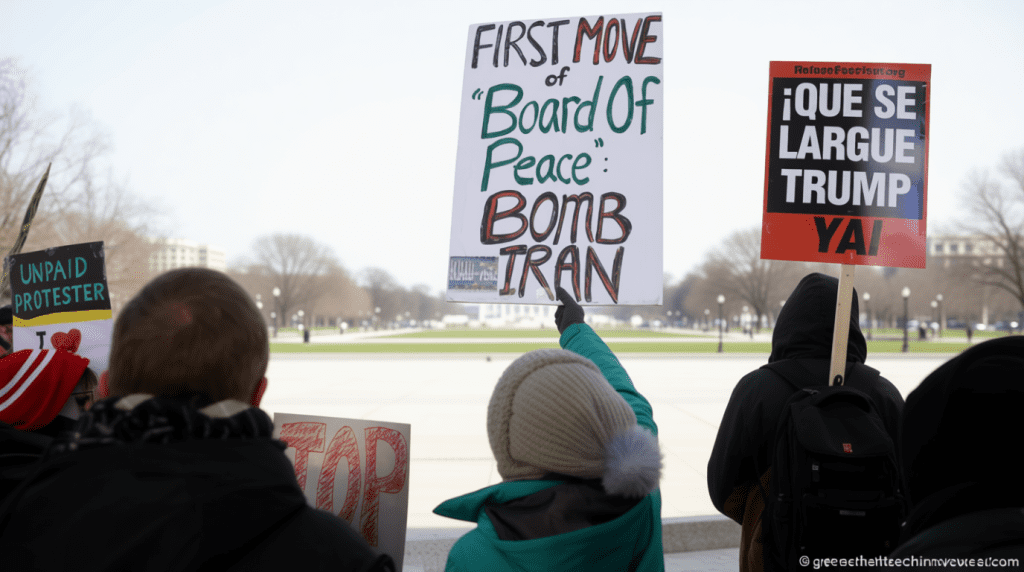
Recent US military actions against Iran have intensified economic pressures, pushing fuel costs higher and fueling inflation concerns. These developments raise questions about the level of support among Donald Trump’s core supporters, particularly within the MAGA movement, for his aggressive foreign policy stance. Despite his previous image as a peace broker, Trump’s approach has shifted dramatically since the start of the strikes on February 28.
Until recently, Trump positioned himself as a leader who could end global conflicts, even creating the Board of Peace and hinting at a Nobel Prize for his efforts. Yet, his administration’s decision to launch attacks on Iran, alongside earlier interventions in Venezuela, has undermined this narrative. The removal of Nicolas Maduro in January and air strikes on multiple nations, including Iran, have left many wondering if his “no more forever wars” promise was genuine.
Polling Data Reveals Divided Public Opinion
Survey results highlight a growing divide in American sentiment. A CNN poll found that 59% of respondents opposed the decision to escalate hostilities with Iran, while 41% supported it. Meanwhile, Reuters reported 43% of Americans reject the conflict, with 27% in favor and 29% undecided. Notably, support for the war aligns more with Trump’s Republican allies than with the broader electorate.
“The current situation in the Middle East is more likely to exacerbate domestic concerns and refocus American attention on a questionable and shaky US economy, including rising energy prices and inflation,” says Jonathan Katz of the Brookings Institution.
Despite this, internal tensions have emerged within the MAGA coalition. Influential voices like Tucker Carlson have criticized the strikes, labeling them “absolutely disgusting and evil.” Analysts warn that domestic backlash could escalate as economic consequences become more apparent.
Constitutional Challenges and Political Risks
The US Constitution clearly assigns war declaration authority to Congress, yet modern conflicts often bypass formal approval. While presidents can conduct limited operations for 60 days without congressional consent, major wars typically require broader backing. Johannes Thimm of the SWP notes that Trump’s actions against Iran, though lacking troops on the ground, constitute a significant war and should have congressional endorsement.
“But since the Vietnam War, major wars—before Trump’s time—were always authorized by Congress,” Thimm explains.
Thomas Warrick of the Atlantic Council argues that Trump’s unilateralism risks his presidency: “He will own the outcome. If it succeeds, he may gain a minor domestic boost, but a failure could severely damage his agenda.” The looming midterm elections in November further complicate matters, as the GOP grapples with balancing loyalty to Trump and public disapproval of the war.
Symbolic Measures and Unlikely Outcomes
Democrats have introduced a War Powers Resolution to counter Trump’s authority, but its symbolic nature and low chances of success suggest it may not alter the course of events. The Senate’s rejection of the measure underscores the political challenge ahead. As fuel costs climb and inflation pressures mount, the war’s domestic impact could intensify, testing Trump’s resilience amid an already strained economy.
