
Iran war: Why is Russia not coming to Tehran’s aid?
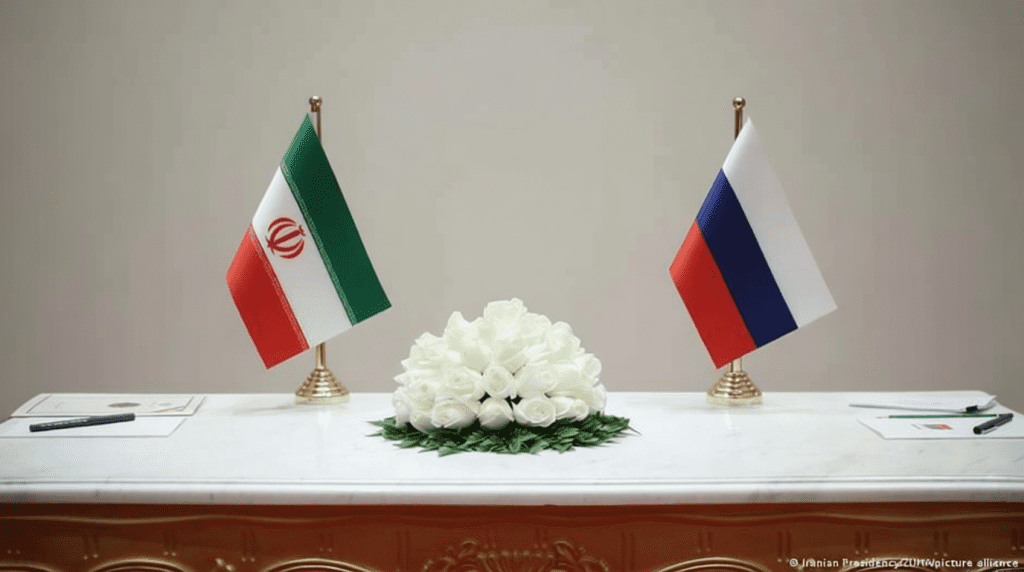
Iran War: Why Is Russia Not Coming to Tehran’s Aid?
Amid relentless US-Israeli airstrikes targeting Tehran, Iran’s embattled government has pinned hopes on Moscow’s backing. Yet, the support from Russia has remained limited, leaving Tehran in a precarious position. Just hours after the strikes began, Russia’s UN envoy, Vassily Nebenzia, labeled the attacks as “unprovoked armed aggression” against a sovereign state.
Russia and Iran have long shared strategic interests, particularly in economic ventures like the North-South transport corridor. This 7,200-kilometer multi-mode network, signed in 2000 by Russia, India, and Iran, also traverses Azerbaijan. According to the Gulf Research Center, 75% of the project is now complete. However, despite this collaboration, Moscow has not intervened militarily in Iran’s defense.
“The partnership between Russia and Iran is not ideological. Russian politicians don’t particularly favor Iran, but they see it as a dependable strategic partner,” noted Nikita Smagin, an Azerbaijan-based expert on Russia and the Middle East.
Russia’s military reliance on Iran is evident through the supply of Shahed drones since 2023, which have transformed the Ukraine conflict. Julian Waller, a research analyst at the Center for Naval Analyses, highlighted Iran’s role in aiding Russia’s war effort, even as production of these drones has shifted to Russia itself.
“Iran’s experience in evading sanctions has been valuable for Russia. It’s provided guidance on circumventing Western restrictions,” emphasized Gregoire Roos of Chatham House, suggesting Tehran has even acted as Moscow’s mentor.
While Russia has shared intelligence and sent missiles to Iran, its support has been more symbolic than active. Mojtaba Hashemi, an international relations expert, pointed out that Iran expected “tangible political and military assistance” from Moscow, including deterrent messaging and expanded cooperation.
Some analysts, like Mohammad Ghaedi, argue that Iran’s leaders anticipated Russia’s hesitance. “Skepticism about Moscow has always existed in Tehran,” Ghaedi said, citing former president Mahmoud Ahmadinejad’s remark that “Russia has sold out the Iranian nation.”
Experts suggest that Russia’s reluctance stems from its own strategic priorities. A prolonged conflict in Iran could benefit Moscow by diverting global attention from Ukraine and reducing Western pressure on its economy. “Media focus would shift away from Zelenskyy, and Washington might struggle to sustain its efforts,” Chatham House’s Roos observed.
