
Boost Energy Efficiency in the Workplace for Cost Savings and Sustainability
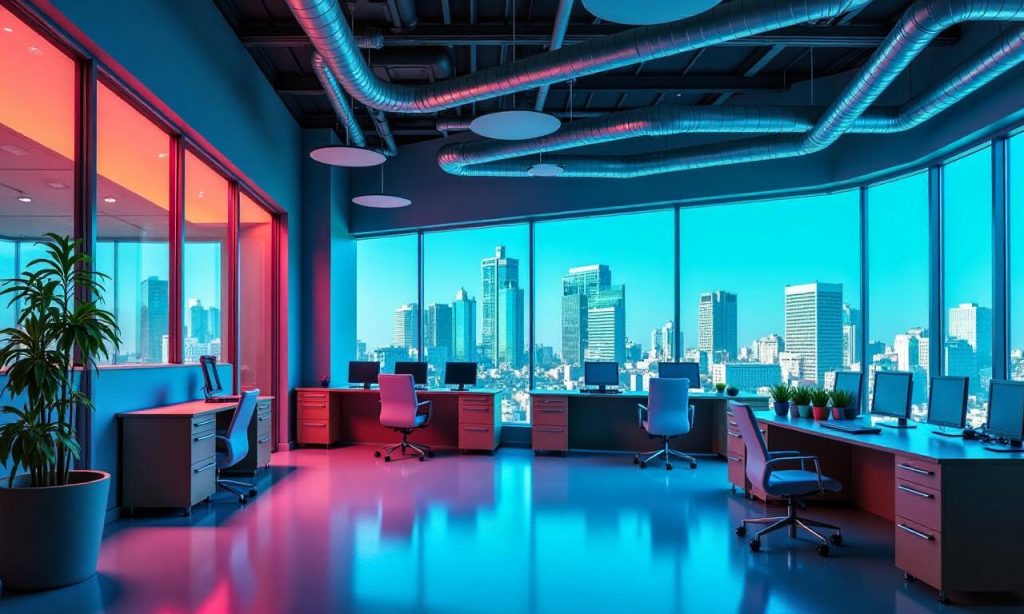
Energy efficiency in the workplace is a critical strategy for businesses aiming to reduce costs and promote sustainability. By optimizing energy use, companies can significantly lower utility bills, enhance operational performance, and contribute to global environmental goals. This article explores practical steps to improve energy efficiency in the workplace, from identifying key areas of energy waste to implementing long-term solutions that drive cost savings and ecological responsibility. Whether you’re a small business owner or a large corporation, integrating energy-efficient practices can transform your workspace into a model of efficiency and sustainability.
The Importance of Energy Efficiency in the Workplace
In today’s competitive business landscape, energy efficiency in the workplace has become more than just an environmental concern—it’s a financial necessity. Offices and commercial spaces account for a significant portion of global energy consumption, with lighting, heating, ventilation, and air conditioning (HVAC) systems often being the largest contributors. By prioritizing energy efficiency in the workplace, businesses can reduce their carbon footprint while ensuring a more stable and predictable budget. Energy savings also translate to improved corporate reputation, as environmentally responsible companies attract eco-conscious clients and talent.
Conducting an Energy Audit for Baseline Understanding
Before implementing any energy-saving measures, conducting a thorough energy audit is essential. This process identifies where energy is being wasted, which systems consume the most power, and how usage patterns vary throughout the day. A professional audit or a simple self-assessment can reveal opportunities to cut costs, such as outdated equipment or inefficient lighting. Once the baseline is established, targeted improvements can be made to address specific issues, ensuring that efforts are focused on areas with the greatest potential for savings. Energy audits also provide valuable data to track progress and measure the impact of energy efficiency in the workplace initiatives over time.
Upgrading to Energy-Efficient Technologies
Investing in modern energy-efficient technologies is a cornerstone of energy efficiency in the workplace. Replacing traditional light bulbs with LED lighting, for instance, can reduce energy consumption by up to 80%. Similarly, upgrading HVAC systems to high-efficiency models ensures optimal temperature control without excessive power use. Energy-efficient appliances, such as smart printers or low-power computers, further contribute to sustainability goals. These upgrades not only cut down on energy bills but also create a more comfortable and productive work environment. By choosing energy-saving equipment, businesses can align their operations with both financial and environmental objectives.
Integrating Smart Energy Management Systems
Smart technology plays a pivotal role in enhancing energy efficiency in the workplace. Automated systems, such as smart thermostats and motion-sensor lighting, adjust energy use based on real-time occupancy and environmental conditions. These tools eliminate the need for manual adjustments, ensuring that energy is used only when necessary. Additionally, energy management software provides detailed analytics, helping businesses track consumption trends and identify further savings. By leveraging IoT (Internet of Things) devices, companies can monitor and control energy usage across multiple departments, maximizing efficiency and minimizing waste.
Encouraging Employee Engagement and Behavioral Change
Employee participation is crucial for achieving meaningful energy efficiency in the workplace. Simple changes, like turning off lights when rooms are unoccupied or using power-saving modes on devices, can have a significant cumulative effect. Training programs and awareness campaigns can educate staff on the benefits of energy-saving practices, fostering a culture of sustainability. Some companies even introduce incentives, such as rewards for departments that meet energy-saving targets. When employees are actively involved, the success of energy efficiency in the workplace initiatives is more likely to be sustained. This collaborative approach ensures that energy-saving efforts are not just top-down mandates but shared responsibilities.
Maintaining and Optimizing Energy Efficiency Over Time
Consistency is key to maintaining energy efficiency in the workplace. Regular maintenance of energy systems, such as HVAC units and electrical wiring, ensures they operate at peak performance without unnecessary energy loss. Monitoring energy usage through smart meters and data dashboards allows for quick adjustments, such as replacing malfunctioning equipment or optimizing schedules. Businesses should also review their energy efficiency strategies periodically to adapt to new technologies or changing operational needs. By treating energy efficiency as an ongoing process rather than a one-time project, companies can achieve long-term benefits and stay ahead of evolving sustainability standards.
Measuring Impact and Achieving Long-Term Benefits
Quantifying the impact of energy efficiency in the workplace helps businesses justify their investments and track progress. Metrics like reduced energy bills, lower carbon emissions, and improved resource utilization provide tangible evidence of success. Over time, these savings can offset initial costs, making energy-efficient upgrades a wise long-term investment. Additionally, companies that prioritize sustainability often see increased employee morale and customer loyalty, as people increasingly favor businesses that demonstrate environmental responsibility. The cumulative effect of small, consistent improvements in energy efficiency in the workplace can lead to substantial financial and ecological gains.
Overcoming Challenges and Securing Support
Implementing energy efficiency in the workplace may face initial resistance due to upfront costs or a lack of immediate visibility. To overcome these challenges, businesses should highlight long-term financial benefits, such as lower utility bills and reduced operational expenses. Involving stakeholders, including management and employees, in the decision-making process builds support and ensures buy-in. Grant programs, tax incentives, and partnerships with energy service providers can also help offset initial investments. By addressing concerns proactively, companies can create a roadmap for successful energy efficiency in the workplace that aligns with their goals and values.
Case Studies and Real-World Examples
Real-world examples demonstrate how energy efficiency in the workplace can be successfully implemented. For instance, a mid-sized office in New York reduced its energy costs by 30% after switching to LED lighting and installing smart thermostats. Similarly, a tech firm in California achieved significant savings by adopting cloud computing, which minimizes the need for on-site energy-intensive servers. These case studies highlight the importance of tailored solutions and the potential for measurable results. By studying successful implementations, businesses can adapt strategies to fit their unique environments and needs.
The Role of Policy and Leadership
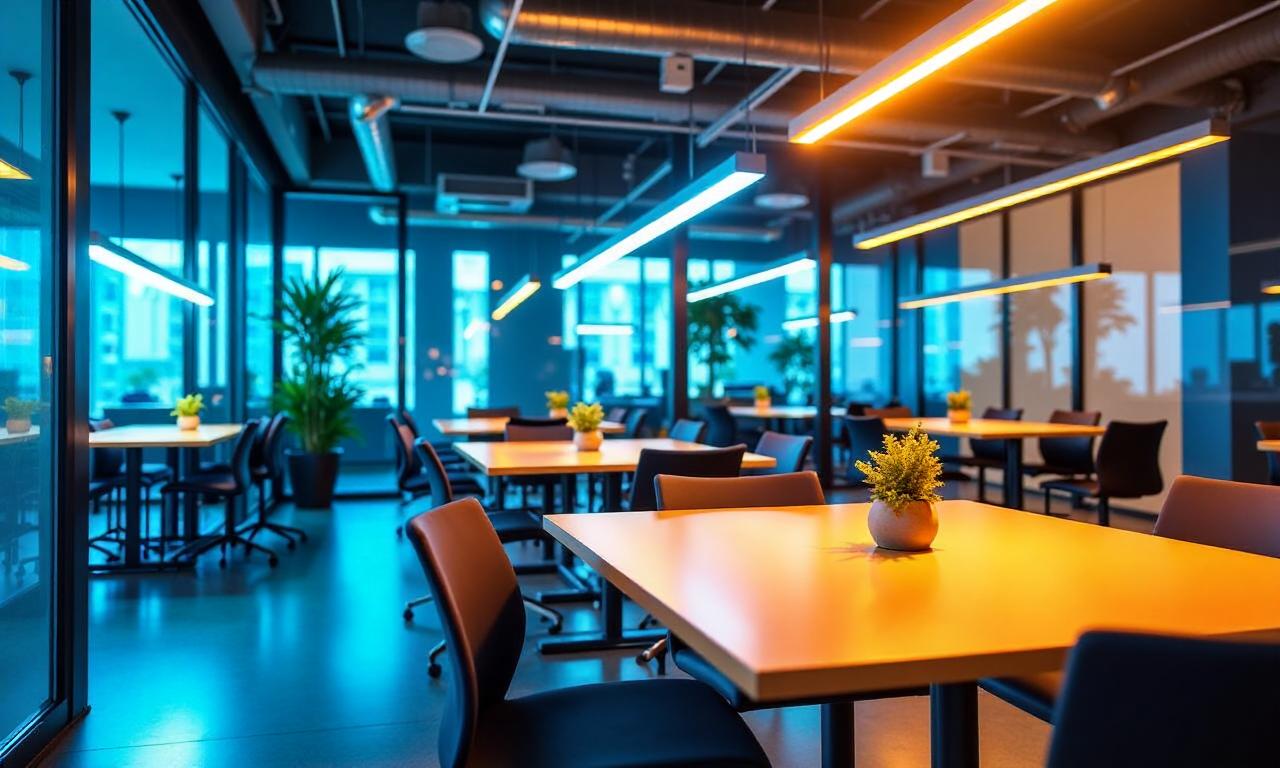
Leadership and organizational policies are vital for embedding energy efficiency in the workplace as a core value. Establishing clear guidelines, such as energy-saving protocols or sustainability goals, ensures that all departments work toward a common objective. Incentivizing teams through recognition programs or financial rewards encourages accountability and innovation. Additionally, integrating energy efficiency into corporate social responsibility (CSR) initiatives can align the business with broader environmental commitments. When policies support sustainable practices, they create a framework that makes energy efficiency a priority for everyone in the organization.
Future Trends in Workplace Energy Efficiency
As technology advances, new opportunities for energy efficiency in the workplace continue to emerge. Innovations like AI-driven energy management systems, solar power integration, and energy recovery ventilation units are reshaping how businesses approach sustainability. These trends not only enhance efficiency but also reduce dependency on non-renewable resources. Staying ahead of these developments requires a proactive mindset, as companies that adapt to new technologies often gain a competitive edge. By embracing future trends, businesses can ensure that their energy efficiency in the workplace strategies remain relevant and impactful.
The Broader Impact of Energy Efficiency in the Workplace
Energy efficiency in the workplace contributes to broader societal and environmental goals. By reducing energy consumption, businesses help lower greenhouse gas emissions, which is critical in the fight against climate change. Sustainable practices also set a positive example for the community, inspiring other organizations to follow suit. Moreover, energy-efficient workplaces often lead to improved indoor air quality and lighting, which can enhance employee well-being and productivity. The ripple effect of these changes extends beyond the company, creating a more sustainable and healthy environment for all.
How to Start Your Energy Efficiency Journey
Initiating a journey toward energy efficiency in the workplace begins with a simple yet effective first step: conducting an energy audit. This provides a clear picture of current usage and highlights areas for improvement. Next, prioritize upgrades that offer the highest return on investment, such as LED lighting or smart thermostats. Engaging employees through training and awareness campaigns ensures that everyone contributes to the effort. Finally, track progress regularly and adjust strategies as needed. These steps lay the foundation for a more sustainable and cost-effective workplace.
Frequently Asked Questions
Q: What are the main benefits of energy efficiency in the workplace? A: Energy efficiency in the workplace reduces utility costs, lowers carbon emissions, and enhances corporate reputation. It also improves employee comfort and productivity, creating a more sustainable and efficient environment.
Q: How can small businesses implement energy efficiency in the workplace without large investments? A: Small businesses can start with low-cost measures like switching to LED lights, using power-saving settings on devices, and implementing smart thermostats. These steps require minimal upfront costs and can lead to significant long-term savings.
Q: Is energy efficiency in the workplace only about saving money? A: No, energy efficiency in the workplace also supports environmental sustainability and improves employee well-being. It reduces energy waste, contributes to climate goals, and creates healthier, more comfortable workspaces.
Q: What role do employees play in energy efficiency in the workplace? A: Employees are key to the success of energy efficiency in the workplace. Their daily habits, such as turning off lights and using energy-saving modes, directly impact overall consumption. Training and incentives can further motivate them to participate.
Q: How do I measure the impact of energy efficiency improvements? A: Track energy usage before and after implementing changes using smart meters or energy management software. Compare utility bills, monitor carbon footprint reductions, and analyze employee feedback to assess the effectiveness of your efforts.
