
What we know about the death of Iranian supreme leader Khamenei
What we know about the death of Iranian supreme leader Khamenei
Iranian state media confirms supreme leader’s demise
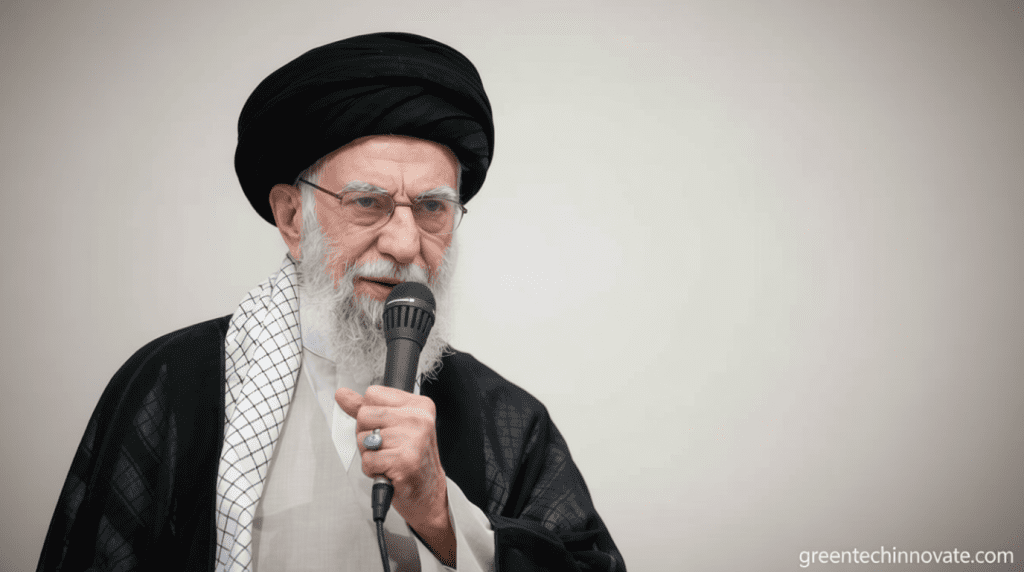
Sunday saw the confirmation from Iranian state media that Ayatollah Ali Khamenei, the nation’s hardline supreme leader, had been killed in a Saturday airstrike conducted by the United States and Israel. The news sparked immediate reactions, with opponents of the regime celebrating and loyalists expressing outrage. An Iranian TV broadcaster, visibly emotional, declared Khamenei’s “martyrdom” following the attack, which reportedly targeted his residence in Tehran as he performed official duties.
“There are many signs that Iran’s supreme leader is no longer with us,” said Israeli Prime Minister Benjamin Netanyahu on Saturday evening, though he did not elaborate on the details.
Satellite evidence reveals damage
Satellite imagery from Airbus captured black smoke emanating from Khamenei’s compound in Tehran, suggesting significant structural damage. While the Foreign Ministry initially claimed the leader was “safe and sound,” the strikes were later confirmed to have eliminated key figures, including the supreme leader, President Masoud Pezeshkian, and the armed forces’ chief of staff Abdolrahim Mousavi.
“One of the aims of the joint US-Israeli attack was regime change,” stated US President Donald Trump, urging the Iranian people to resist the government.
Context of Iran’s vulnerability
The attack occurred amid a period of heightened tension, as Iran had already faced decades of Western sanctions and economic strain. A severe blow came in June 2025 when US and Israeli strikes further weakened the country’s position. This led to widespread protests, initially sparked by economic grievances, which rapidly evolved into political unrest, spreading across all 31 provinces within weeks. The regime’s response included a harsh crackdown, resulting in thousands of casualties and international condemnation, including a potential intervention by the Trump administration.
Leadership transition and regional stance
Ali Larijani, a senior adviser to Khamenei, indicated that an interim leadership structure would be activated, comprising the president, the head of the judiciary, and a jurist from the Guardian Council. This council would assume duties until the Assembly of Experts selects a new supreme leader. Larijani emphasized Iran’s commitment to regional stability, stating the nation would not seek conflict but would continue targeting American military installations in the Middle East.
“It must be made clear once and for all that the Americans cannot bully the Iranian nation,” Larijani asserted.
Uncertainty about the next leader
Experts remain uncertain about who will lead Iran next, even among those who have removed Khamenei. US Secretary of State Marco Rubio previously noted that “no one knows” who would succeed him. Reza Pahlavi, the eldest son of the late Shah Mohammad Reza Pahlavi, criticized the process, calling any successor appointment “doomed to fail from the outset.”
Public reactions and ongoing defiance
As news of Khamenei’s death spread, cheers echoed through Tehran. However, by Sunday morning, thousands gathered to display flags and chant “Death to America,” reflecting the regime’s enduring influence. For those who had protested in January, Khamenei’s removal was a pivotal moment, though the government’s violent suppression of demonstrations framed them as part of an Israeli-American conspiracy against the Islamic Republic.
