
Supreme Court Decisions That Shape the Nation Today
The supreme court plays a decisive role in shaping the legal, political, and social direction of the United States. Through constitutional interpretation, it defines the limits of government power, protects individual rights, and resolves conflicts between federal and state authority. Its rulings do not simply settle disputes; they establish binding precedents that influence legislation, public policy, and everyday life. Understanding how the supreme court shapes the nation today requires examining landmark decisions and the principles behind them.
The Supreme Court as the Final Interpreter of the Constitution
The authority of the supreme court rests on judicial review, the power to determine whether laws and executive actions comply with the Constitution. This authority ensures that no branch of government exceeds its constitutional boundaries. When the court invalidates a statute, it does more than strike down a rule; it reinforces constitutional supremacy.
Through its interpretations, the supreme court clarifies ambiguous constitutional language. Terms such as “equal protection,” “due process,” and “freedom of speech” gain practical meaning through judicial decisions. These interpretations evolve over time, reflecting changes in legal reasoning and societal conditions.
Modern constitutional debates often center on how strictly the Constitution should be interpreted. Some justices favor originalism, focusing on the text’s historical meaning, while others adopt a living Constitution approach. The balance between these philosophies directly affects the outcome of major cases and the future direction of national policy.
Civil Rights and Equal Protection
Many of the most transformative decisions in American history have come from the supreme court in the area of civil rights. Landmark rulings addressing racial segregation, voting rights, and discrimination reshaped public institutions and expanded legal protections. These cases established that constitutional guarantees apply equally to all citizens.
The court’s interpretation of the Equal Protection Clause has influenced policies on affirmative action, marriage equality, and anti-discrimination laws. By defining the standards of judicial scrutiny, the supreme court determines how rigorously laws that classify individuals are evaluated. Strict scrutiny, intermediate scrutiny, and rational basis review each carry different implications.
In recent years, civil rights rulings have continued to shape national discourse. Decisions concerning LGBTQ+ rights, gender discrimination, and voting regulations have sparked widespread debate. Regardless of public opinion, supreme court rulings in these areas set binding legal standards that affect millions of Americans.
Federal Power and the Balance of Authority
The relationship between federal and state governments is another central area where the supreme court exerts influence. The Constitution divides authority between national and state governments, but disputes frequently arise over the scope of that division. The court’s interpretation of the Commerce Clause, for example, has defined how far Congress can regulate economic activity.
Cases involving healthcare, environmental regulations, and immigration policy often hinge on federalism principles. When the supreme court limits federal authority, states may gain more autonomy in shaping policy. Conversely, broad interpretations of federal power can lead to nationwide regulatory frameworks.
This balance affects taxation, criminal law, education, and public health. Each decision clarifies the boundaries of legislative and executive action. As political priorities shift, disputes over federal authority remain a consistent feature of the court’s docket.
Individual Liberties and Constitutional Protections
The supreme court plays a central role in defining the scope of individual liberties. The Bill of Rights provides core protections, but the practical meaning of those rights depends on judicial interpretation. Cases involving free speech, religious freedom, gun ownership, and privacy rights frequently reach the court.
For example, First Amendment cases determine the limits of government regulation of speech and expression. The court’s decisions establish when speech is protected and when it may be restricted. These rulings influence media, political campaigns, education policies, and digital communication.
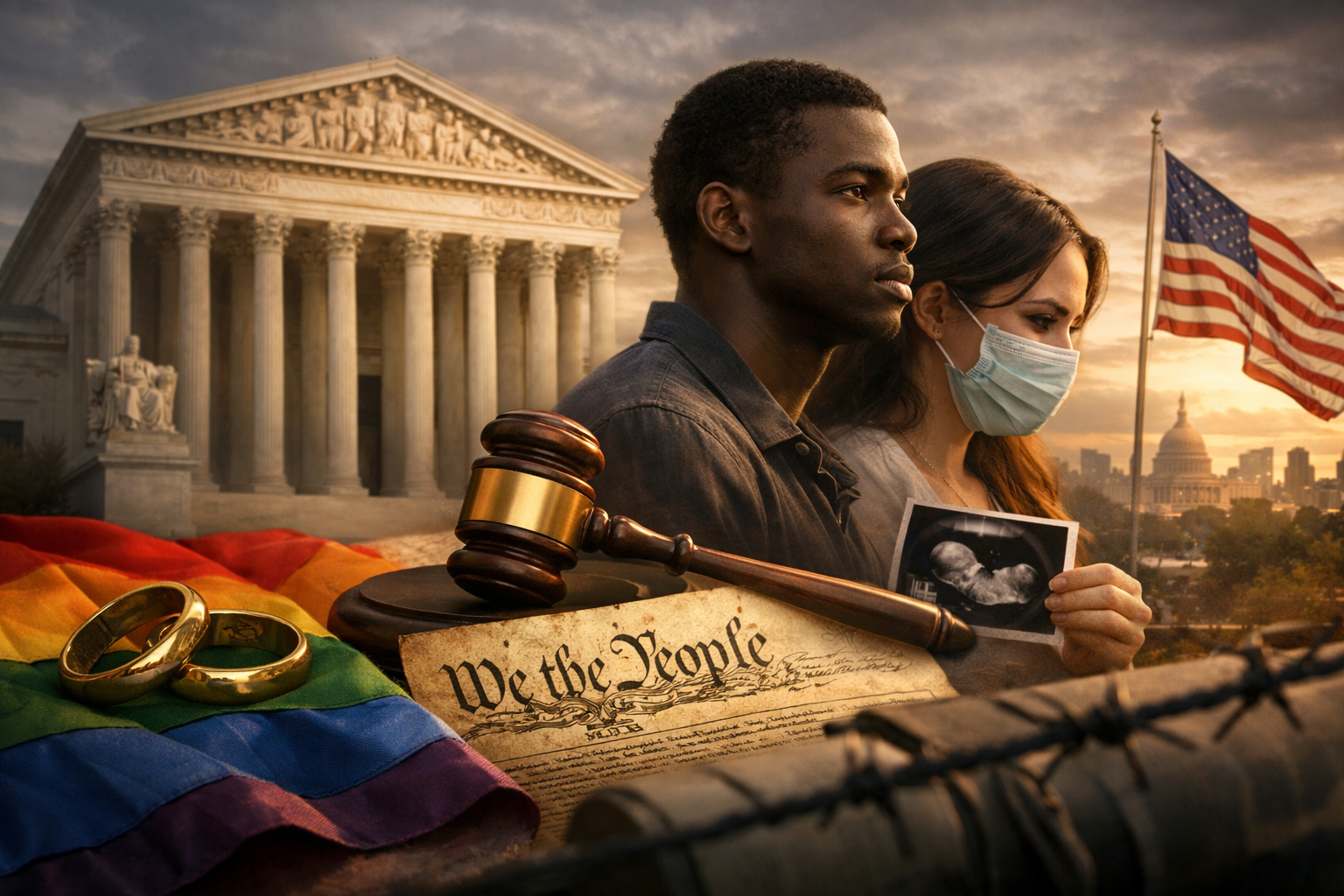
Privacy and due process decisions also carry significant national consequences. Rulings on reproductive rights, surveillance, and bodily autonomy demonstrate how the supreme court’s interpretation of constitutional protections can reshape public policy. Changes in judicial composition often lead to shifts in how these rights are understood.
The Impact of Precedent and Judicial Philosophy
A defining feature of the supreme court is the doctrine of stare decisis, which means adhering to precedent. This principle promotes stability and predictability in the law. However, the court may overturn prior decisions when it determines that earlier rulings were wrongly decided or unworkable.
When precedent is reversed, the impact can be profound. Entire regulatory frameworks and long-standing social arrangements may change overnight. Such decisions often generate political reactions and legislative responses at both federal and state levels.
Judicial philosophy strongly influences whether precedent is maintained or reconsidered. Some justices emphasize continuity and institutional legitimacy, while others prioritize correcting perceived constitutional errors. As new appointments reshape the court’s ideological balance, its interpretation of precedent can shift accordingly.
The Supreme Court in Contemporary Political Life
The modern supreme court operates in an environment of intense public scrutiny. Confirmation hearings, high-profile cases, and media coverage have increased awareness of its role. While the court is designed to be independent, its decisions inevitably intersect with political priorities.
Major rulings on healthcare reform, election law, administrative agency authority, and executive power demonstrate how the supreme court shapes the structure of governance. Decisions limiting or expanding the power of federal agencies can alter how regulations are created and enforced. These outcomes influence business operations, environmental policy, and consumer protection.
Public confidence in the court remains tied to perceptions of fairness and constitutional fidelity. Regardless of controversy, its decisions carry binding authority across all states. In this way, the supreme court continues to define the legal framework within which democratic governance operates.
The supreme court shapes the nation today by interpreting the Constitution, defining civil rights, balancing federal and state power, and clarifying individual liberties. Through precedent and judicial philosophy, it establishes legal standards that influence public policy and daily life. Its rulings not only resolve disputes but also determine the boundaries of American governance.
FAQ
Q: What is the primary role of the supreme court? A: The supreme court interprets the Constitution and determines whether laws and government actions comply with it.
Q: How do supreme court decisions affect everyday life? A: Its rulings influence civil rights, free speech, healthcare, taxation, and other policies that shape daily legal and social conditions.
Q: Can the supreme court overturn its previous decisions? A: Yes, the court can reverse precedent when it concludes that earlier rulings were incorrect or no longer workable.
Q: Why are supreme court appointments important? A: Justices serve long terms and their judicial philosophies significantly influence constitutional interpretation and national policy.
Q: Does the supreme court create laws? A: No, it does not create laws, but its interpretations can invalidate legislation or define how laws are applied nationwide.
