
Energy Consumption Reduction Tips to Lower Bills at Home
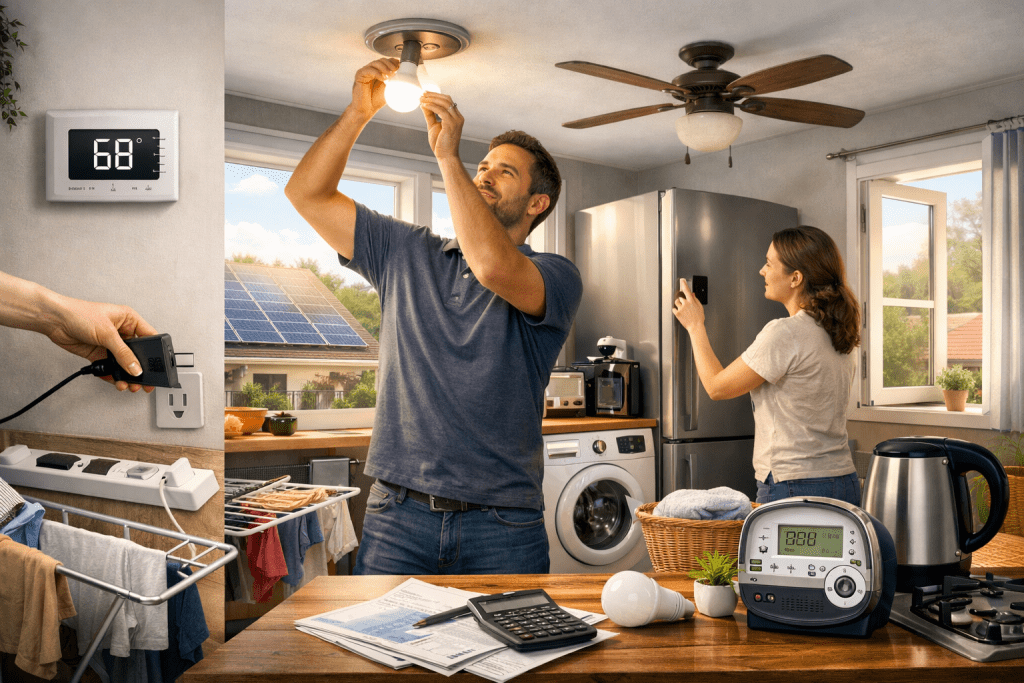
Lowering your monthly utility bill does not require expensive upgrades or drastic lifestyle changes. The fastest savings usually come from fixing small inefficiencies that quietly waste power every day. This guide shares practical, proven energy consumption reduction tips you can apply immediately, whether you live in an apartment, a rented house, or your own home.
Most households spend the most energy on heating and cooling, water heating, appliances, and lighting. When you reduce waste in these areas, you get a noticeable drop in costs without sacrificing comfort. The key is to focus on high-impact habits and low-cost improvements first, then move toward upgrades only when they make financial sense.
Understand Where Your Home Uses the Most Energy
Before you change anything, you need a basic map of where your electricity and gas go. In most homes, HVAC systems (heating and cooling) are the biggest energy consumers. Water heating and large appliances often come next, followed by lighting and electronics.
A simple way to start is to compare your last three bills and look for patterns. If your costs spike during summer or winter, your HVAC is likely the main driver. If bills stay high all year, the cause may be inefficient appliances, water heating, or constant standby power.
If you want to be more precise, use your utility provider’s online usage dashboard if available. Many providers show daily or hourly usage, which makes it easier to spot waste. This data helps you prioritize the most effective energy consumption reduction tips instead of guessing.
Heating and Cooling: The Highest-Impact Savings
Heating and cooling can consume a large share of household energy, so small improvements here can produce large savings. The easiest step is adjusting your thermostat. Lower it a few degrees in winter and raise it a few degrees in summer, especially when you are asleep or away.
A programmable or smart thermostat makes this easier by automating schedules. You do not need to keep the same temperature all day if no one is home. Even modest adjustments can reduce energy usage without noticeable discomfort.
Air leaks are another major hidden cost. Gaps around doors, windows, and vents let conditioned air escape and force your system to work harder. Use affordable weather stripping and door sweeps, and seal visible cracks with caulk for immediate improvement.
Maintenance matters more than people think. Replace HVAC filters regularly, because clogged filters reduce airflow and increase energy consumption. If your system is older, a professional tune-up can improve efficiency and prevent expensive breakdowns.
Lighting and Electronics: Cut Waste Without Sacrificing Convenience
Lighting is no longer the biggest household energy expense, but it is still one of the easiest areas to optimize. Replace old incandescent bulbs with LED bulbs, which use far less power and last much longer. This is one of the most straightforward energy consumption reduction tips because the savings begin instantly.
Next, focus on how lights are used. Turn off lights in unused rooms and take advantage of natural daylight during the day. In frequently used areas, motion sensors or smart switches can reduce waste automatically.
Electronics are another common source of unnecessary consumption, especially from standby power. Many devices draw electricity even when “off,” including TVs, game consoles, printers, and chargers. Plug these into a power strip and switch it off when not in use.
Laptop computers generally use less power than desktops. If you work from home, choosing energy-efficient equipment can reduce your baseline consumption. Also, enable sleep mode settings to avoid leaving screens and devices running for hours.
Appliances and Water Heating: Reduce Daily Costs at the Source
Appliances can quietly add a lot to your monthly bill, especially if they are older or used inefficiently. Start with your refrigerator, since it runs 24/7. Keep it at a reasonable temperature setting, avoid overfilling it, and clean the coils if accessible.
Laundry is another area where small changes make a big difference. Washing clothes in cold water reduces energy use because heating water is expensive. Also, avoid over-drying by using the moisture sensor setting on your dryer if it has one.
Dishwashers can be efficient when used correctly. Run full loads and use eco settings when possible. Air-drying dishes instead of using a heated dry cycle can reduce electricity usage without affecting cleanliness.
Water heating is often one of the top energy costs. Lowering your water heater temperature slightly can reduce consumption while still keeping water comfortably hot. Installing low-flow showerheads can also reduce hot water use without reducing water pressure too much.
If you take long showers, reducing shower time is one of the most effective energy consumption reduction tips available. It costs nothing, works immediately, and saves both energy and water. Small daily reductions add up more than most people expect.
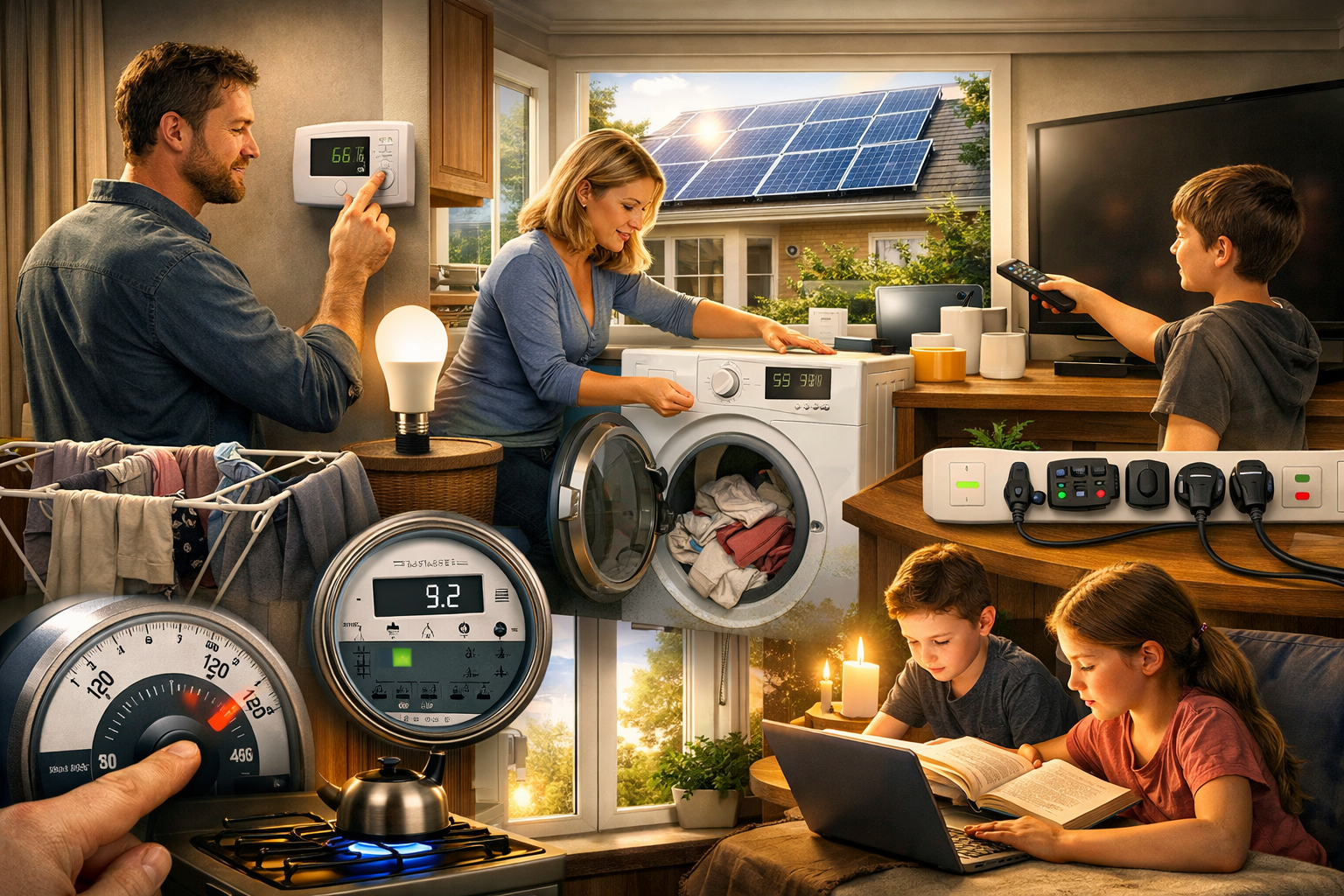
Insulation and Home Efficiency: Long-Term Savings That Actually Pay Off
If your home loses heat quickly in winter or overheats in summer, your insulation may be weak. Poor insulation forces your HVAC system to run longer to maintain temperature. Improving insulation is often one of the best long-term efficiency investments.
Attic insulation usually provides the highest return, especially in homes where the attic is under-insulated. Walls can be harder and more expensive to improve, but attic upgrades are often straightforward. In apartments, you may have fewer options, but you can still reduce heat loss through windows.
Window efficiency is a major factor. If you cannot replace windows, use thermal curtains to reduce heat transfer. In winter, keep curtains closed at night and open them during sunny hours. In summer, block direct sunlight to reduce indoor heat buildup.
Another overlooked issue is air duct efficiency. Leaky ducts can waste a significant amount of conditioned air before it reaches your rooms. If you have accessible ductwork, sealing leaks can improve comfort and reduce energy waste.
If you are planning upgrades, prioritize improvements that reduce energy demand first. Better insulation and sealing reduce the size of heating and cooling needs, which makes future HVAC upgrades more effective. This is the strategic way to apply energy consumption reduction tips for long-term results.
Habits and Monitoring: Make Savings Permanent
The most sustainable savings come from building routines. Many households waste energy because of small daily habits that go unnoticed. Turning off unused devices, running full appliance loads, and using temperature settings wisely can reduce costs without feeling restrictive.
Monitoring helps you stay consistent. Track your monthly bill and compare usage across seasons. If your utility company provides usage graphs, review them regularly to confirm whether changes are working.
You can also use plug-in energy monitors for individual appliances. These devices measure how much electricity a device uses, which helps identify “silent” energy drains. This is especially useful for older refrigerators, freezers, and entertainment systems.
Cooking habits matter as well. Using lids on pots reduces cooking time and energy use. For small meals, microwaves and toaster ovens often use less energy than a full-size oven. These are practical energy consumption reduction tips that improve efficiency without changing what you eat.
Finally, consider time-of-use electricity pricing if your provider offers it. Some plans charge more during peak hours. Shifting laundry or dishwashing to off-peak times can reduce costs without reducing consumption.
Conclusion
The best way to lower home energy bills is to focus on high-impact areas like heating, cooling, water heating, and appliance efficiency. Combine simple habit changes with targeted upgrades such as LED lighting, sealing air leaks, and improving insulation. When applied consistently, these energy consumption reduction tips reduce monthly costs while keeping your home comfortable year-round.
FAQ
Q: What are the fastest energy consumption reduction tips that work immediately? A: Adjusting thermostat settings, switching to LED bulbs, and cutting standby power with power strips produce immediate savings with minimal effort.
Q: Does washing clothes in cold water really reduce energy use? A: Yes. Heating water is one of the biggest energy costs in laundry, so cold washes can significantly reduce consumption without affecting most everyday clothing.
Q: How can I reduce energy costs if I live in a rented apartment? A: Focus on LEDs, smart power strips, thermostat habits, thermal curtains, and sealing small air leaks with removable solutions like weather stripping.
Q: Is it worth buying a smart thermostat to save money? A: In many homes, yes. A smart thermostat reduces wasted heating and cooling by automatically adjusting temperatures when you are asleep or away.
Q: Why is standby power such a big problem? A: Many electronics still draw electricity when turned off, and multiple devices running 24/7 can add measurable costs over a month.
