
How Smart Energy Systems Are Transforming the Future of Sustainable Power
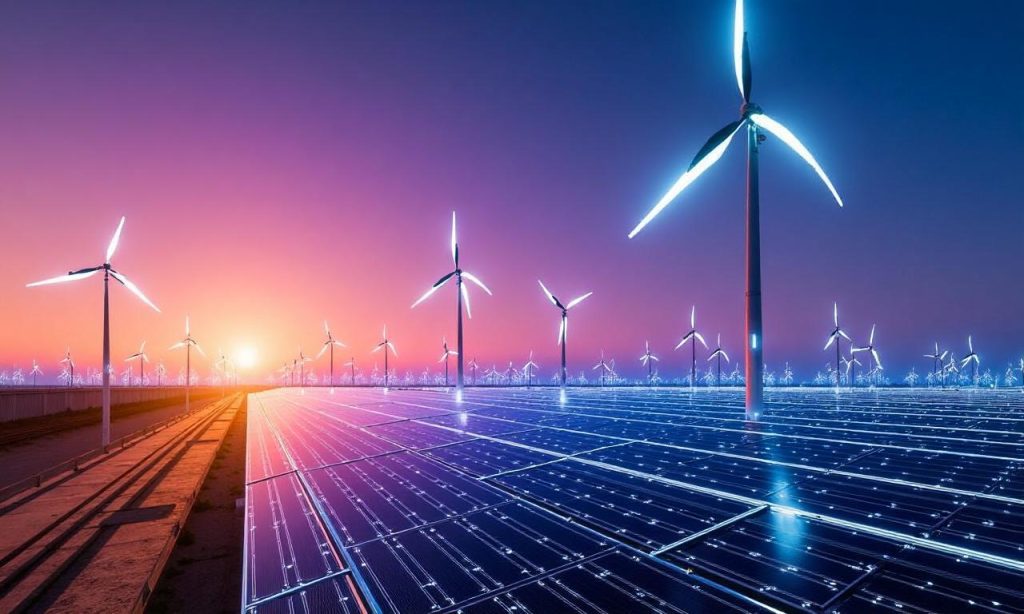
The transition to sustainable power is no longer a distant goal but an urgent necessity as the world grapples with climate change, energy scarcity, and the need for cleaner alternatives. Traditional energy systems, which rely on centralized power generation and static distribution networks, are being replaced by smart energy systems that leverage advanced technologies to create more efficient, resilient, and adaptive energy infrastructures. These systems integrate Internet of Things (IoT) devices, artificial intelligence (AI), and real-time data analytics to optimize energy production, consumption, and storage. As the demand for renewable energy grows, smart energy systems are playing a pivotal role in reshaping the energy landscape, enabling a shift toward decentralized, data-driven, and environmentally friendly power solutions. This transformation is not only improving energy access but also reducing carbon footprints and fostering innovation across industries.
The Rise of Smart Energy Systems
The concept of smart energy systems has evolved from a theoretical idea to a practical reality, driven by advancements in digital technology and the increasing need for sustainable energy. Unlike conventional energy grids that operate in a one-way manner, smart energy systems allow for two-way communication between energy producers, consumers, and the grid itself. This bidirectional flow of information enables dynamic adjustments to energy distribution, reducing waste and improving reliability. The integration of smart meters, sensors, and cloud-based platforms has made it possible to monitor energy usage in real time, predict demand patterns, and automate responses to fluctuations in supply.
One of the key innovations in smart energy systems is the use of IoT-enabled devices that collect and transmit data about energy consumption. These devices, often embedded in smart homes, businesses, and industrial facilities, provide granular insights into how and when energy is being used. For example, a smart thermostat can adjust heating and cooling systems based on occupancy patterns, while smart streetlights can dim or brighten according to traffic and weather conditions. This level of precision not only lowers energy bills but also minimizes the strain on the grid during peak hours.
Another significant component of smart energy systems is the adoption of artificial intelligence (AI) to enhance decision-making processes. AI algorithms analyze vast amounts of data to identify trends, forecast energy needs, and optimize the performance of renewable sources such as solar panels and wind turbines. By integrating AI with machine learning, these systems can adapt to changing conditions, such as sudden weather shifts or unexpected energy outages, ensuring a steady supply of power. This adaptability is crucial for addressing the challenges of intermittent energy generation and energy storage, which have long been obstacles in the transition to renewable energy.
Revolutionizing Renewable Energy Integration
The integration of smart energy systems into the renewable energy sector has been a game-changer, allowing for the seamless incorporation of solar power, wind energy, and hydropower into the grid. Historically, renewable sources faced limitations due to their variability and the difficulty of storing excess energy. However, smart energy systems have introduced solutions that balance supply and demand in real time, reducing the risk of energy shortages and improving overall efficiency.
A core feature of this transformation is the use of smart grids, which are advanced electrical grids that use digital technology to monitor and manage the flow of energy. These grids enable dynamic load balancing, ensuring that energy from renewable sources is distributed effectively across regions. For instance, during periods of high solar energy production, smart grids can redirect surplus power to storage facilities or areas with higher demand, preventing waste. Conversely, when solar output drops due to cloud cover, the grid can automatically switch to other sources, such as battery storage systems or wind farms, without disrupting the supply. This flexibility is essential for achieving a reliable energy mix and reducing reliance on fossil fuels.
Moreover, smart energy systems facilitate demand response mechanisms, which allow consumers to adjust their energy usage based on real-time pricing and availability. This is particularly important for integrating intermittent renewable sources into the grid. For example, smart appliances can be programmed to operate during off-peak hours when energy is cheaper and more abundant, reducing the overall strain on the grid. Such innovations not only make renewable energy more viable but also encourage consumer participation in the energy transition. By giving users control over their consumption, smart energy systems promote a culture of sustainability and efficiency.
Enhancing Energy Efficiency and Reducing Waste
Energy efficiency has long been a critical factor in reducing environmental impact and lowering operational costs. Smart energy systems are revolutionizing this aspect by enabling real-time monitoring, predictive maintenance, and automated optimization of energy use. These systems collect data from various sources, including smart meters, sensors, and smart appliances, to identify inefficiencies and suggest improvements.
For instance, smart meters provide detailed information about energy consumption patterns, allowing users to track their usage and make informed decisions. This transparency is a major step forward from traditional meters, which only offered a monthly reading. With smart energy systems, households and businesses can receive personalized energy reports that highlight areas of high consumption, such as HVAC systems or electrical lighting, and recommend ways to reduce waste. In some cases, these systems can automatically adjust settings to minimize energy use without compromising comfort or functionality.
In industrial settings, smart energy systems have proven to be even more impactful. By integrating AI-driven analytics, these systems can predict equipment failures and optimize maintenance schedules, reducing downtime and energy waste. For example, smart manufacturing plants use data-driven algorithms to monitor the performance of machinery and adjust operations to match demand. This not only improves efficiency but also lowers carbon emissions, as energy-intensive processes are fine-tuned to use only what is necessary. Such advancements are critical for achieving carbon neutrality goals and ensuring that energy resources are used sustainably.
Overcoming Challenges and Expanding Opportunities
While smart energy systems offer numerous benefits, they also present challenges that must be addressed to ensure their widespread adoption. One of the primary concerns is the initial cost of implementing these technologies. Upgrading infrastructure with smart meters, IoT devices, and AI platforms requires significant investment, which can be a barrier for developing regions or small-scale energy providers. However, the long-term savings from energy efficiency, reduced maintenance costs, and lower carbon taxes often outweigh these upfront expenses.
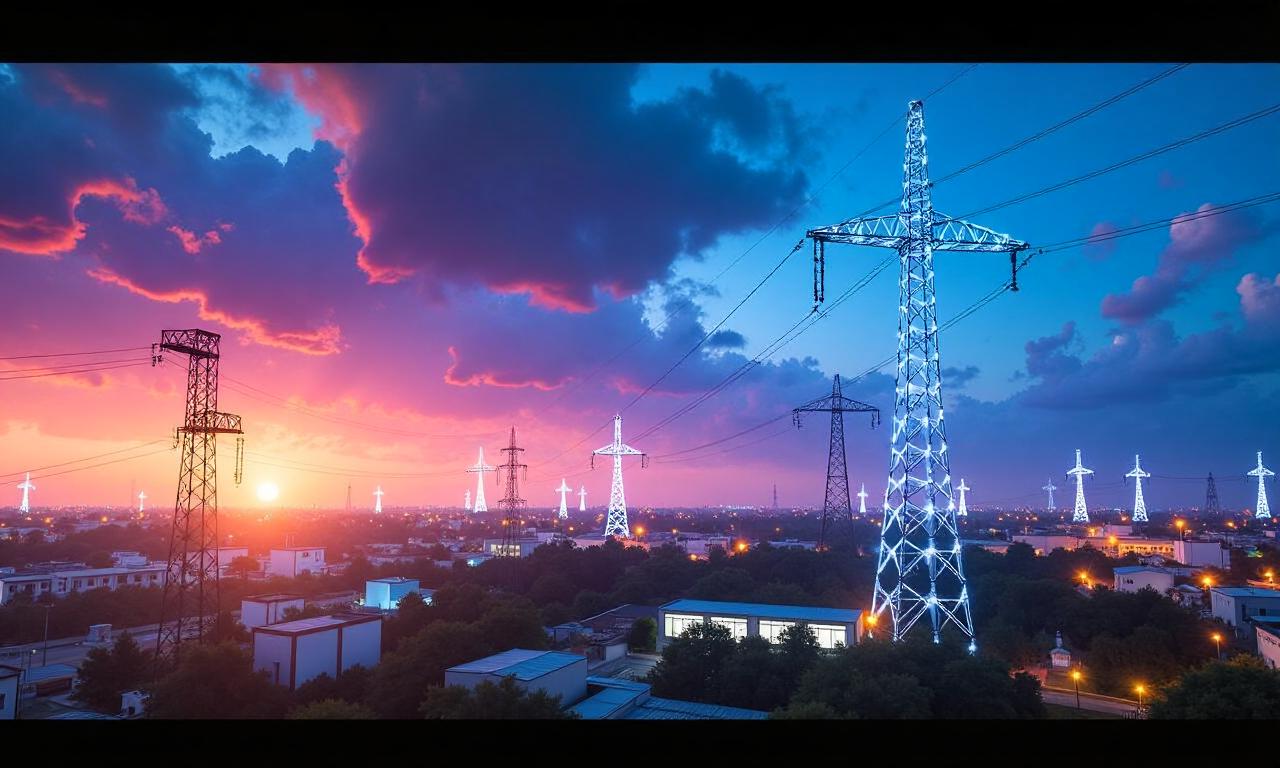
Another challenge is data security and cybersecurity risks associated with smart energy systems. These systems rely on real-time data transmission and cloud-based storage, making them vulnerable to hacking and data breaches. To mitigate this, energy providers are investing in secure communication protocols, encryption technologies, and AI-powered threat detection. For example, smart grids now use blockchain technology to ensure transparent and tamper-proof energy transactions, enhancing trust and security among users.
Despite these challenges, smart energy systems are opening up new opportunities for decentralized energy production and community-based energy solutions. With distributed energy resources (DERs), such as solar panels on residential rooftops and wind turbines in local areas, individuals and communities can generate their own power and sell surplus energy to the grid. This model not only empowers consumers but also reduces the need for large, centralized power plants. Additionally, smart energy systems are enabling microgrids, which are localized grids that can operate independently of the main grid. Microgrids are particularly valuable in remote areas or during emergencies, as they provide reliable power without depending on external sources.
In the realm of electric vehicles (EVs), smart energy systems are playing a crucial role in managing charging infrastructure and battery storage. As EV adoption increases, the demand for charging stations has surged, creating a need for smart energy management to prevent overloading the grid. Smart charging systems use real-time data to adjust charging times based on grid capacity and energy prices, ensuring that EV owners can charge their vehicles without causing disruptions. Furthermore, EV batteries are being integrated into grid storage solutions, allowing them to act as distributed energy storage units during peak hours. This innovation is helping to stabilize the grid and support the integration of renewable energy.
The Future of Sustainable Power with Smart Energy Systems
As smart energy systems continue to evolve, they are expected to drive greater innovation in the energy sector. The Internet of Things (IoT) is expanding its reach, with smart devices becoming more prevalent in both urban and rural settings. These devices not only monitor energy usage but also interact with each other to create self-sustaining energy ecosystems. For example, smart homes can now communicate with smart utility providers to adjust energy consumption based on real-time weather data and grid conditions, ensuring optimal use of available resources.
In addition to IoT integration, the role of artificial intelligence (AI) in smart energy systems is set to grow. AI-powered platforms can analyze massive datasets to predict energy demand, optimize distribution, and detect anomalies in the grid. This predictive capability is especially valuable for managing renewable energy sources, as it allows for precise forecasting of solar and wind output. By combining AI with machine learning, energy providers can create adaptive systems that respond to changes in climate patterns, consumer behavior, and technological advancements.
The global push for sustainability is also driving policy changes and investment in smart energy infrastructure. Governments and private sectors are increasingly prioritizing green energy initiatives that incorporate smart technologies to reduce carbon emissions and improve energy resilience. For example, smart city projects are being developed in various regions to integrate renewable energy sources, smart transportation networks, and energy-efficient buildings into a cohesive system. These projects not only reduce energy waste but also enhance the quality of life for residents by promoting cleaner air, reduced traffic congestion, and lower utility bills.
As smart energy systems become more sophisticated, they are also fostering collaboration between stakeholders. Energy providers, consumers, and technology developers are working together to create seamless energy solutions that benefit all parties. For instance, peer-to-peer energy trading platforms allow users to buy and sell excess energy directly, bypassing traditional utility companies. This model promotes energy democracy, giving consumers more control over their energy sources and reducing dependency on centralized providers.
The potential of smart energy systems is vast, and their implementation is already yielding tangible benefits. From reducing energy costs to enhancing grid reliability, these systems are proving to be a cornerstone of the sustainable energy transition. As technology continues to advance, the capabilities of smart energy systems will only improve, making them an essential component of future energy strategies.
In conclusion, smart energy systems are redefining how energy is generated, distributed, and consumed. By leveraging digital technologies, these systems are enabling greater efficiency, reduced waste, and more sustainable power solutions. As the world moves toward a carbon-neutral future, the role of smart energy systems will become even more critical in addressing energy challenges and opportunities. Their integration into everyday life, from homes to cities, is a testament to their transformative power and the potential they hold for creating a more resilient and eco-friendly energy landscape.
