
Climate Education for Students: Building a Greener Future
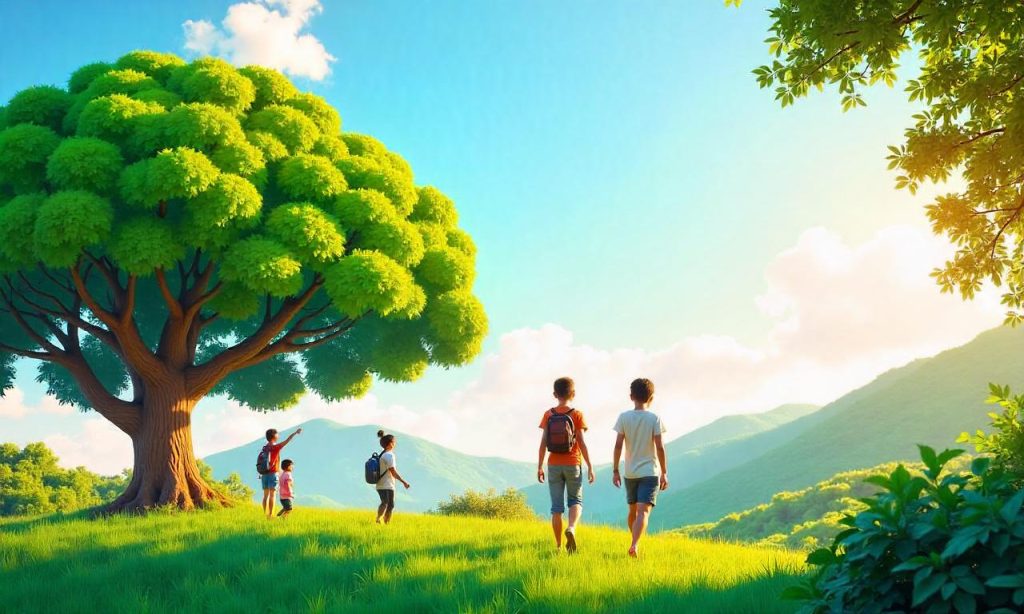
In an era where climate change is one of the most pressing challenges humanity faces, the need for climate education for students has never been more urgent. From rising global temperatures to extreme weather events, the impacts of environmental degradation are increasingly visible, and the next generation must be equipped with the knowledge and skills to address these issues. Climate education for students is not just about teaching facts—it’s about inspiring action, fostering responsibility, and cultivating a mindset that prioritizes sustainability. This article explores the significance of climate education for students, its role in shaping a sustainable future, and practical strategies to implement it effectively in schools and communities.
The Importance of Climate Education for Students
Why Climate Education Matters for the Future
Climate education for students plays a pivotal role in preparing the next generation to tackle environmental challenges. By introducing young minds to the complexities of climate change early on, we empower them to become informed citizens and proactive problem-solvers. Education is the foundation of societal progress, and when it comes to environmental issues, it acts as a catalyst for long-term change. Students who understand the science behind climate change are more likely to adopt sustainable practices in their daily lives and advocate for policies that protect the planet.
Bridging Knowledge and Action
One of the key benefits of climate education for students is its ability to bridge the gap between knowledge and action. Traditional education systems often focus on theoretical concepts, but climate education for students emphasizes practical application. For instance, students can learn about renewable energy through hands-on projects, such as building solar-powered models or conducting energy audits in their schools. These activities not only make learning engaging but also instill a sense of ownership over environmental solutions.
Fostering Global Citizenship
As the world becomes more interconnected, climate education for students helps them understand their role in a global context. Climate change affects all nations, and students must be taught to think beyond their immediate surroundings. By integrating global perspectives into the curriculum, educators can help students appreciate the shared responsibility for environmental stewardship. This approach encourages collaboration, empathy, and a commitment to creating a greener future for all.
Making Climate Science a Core Subject
To ensure that climate education for students is effective, it must be integrated into the core curriculum. Subjects like science, geography, and social studies offer natural opportunities to explore climate-related topics. For example, in science classes, students can study the carbon cycle and its impact on global warming, while in social studies, they can analyze the economic and political factors influencing environmental policies. By making climate science a central component, schools can provide a comprehensive understanding of the issue.
Cross-Curricular Approaches
A cross-curricular approach to climate education for students ensures that environmental topics are not confined to a single subject. Math classes can incorporate data analysis on climate trends, while literature and arts can explore environmental themes through storytelling and creative expression. This holistic method reinforces the importance of climate change across different disciplines, making it easier for students to grasp its relevance in various contexts.
Hands-On Learning and Experiential Activities
Students retain information more effectively when they engage in hands-on learning. Climate education for students should include field trips to local ecosystems, experiments with renewable energy, and projects on waste reduction. These activities allow students to experience the real-world implications of environmental decisions. For example, a school garden project can teach students about biodiversity, soil health, and the importance of reducing food waste. Such experiences create a deeper connection to the environment and motivate students to take action.
The Role of Educators in Climate Education
Empowering Teachers with Resources
Educators are the backbone of climate education for students, and their ability to deliver effective lessons depends on the resources available. Training programs, workshops, and access to up-to-date materials are essential to equip teachers with the tools they need to teach climate change confidently. For instance, online modules can provide in-depth knowledge of climate science, while lesson plans can offer practical ideas for classroom activities. When teachers are well-prepared, they can inspire students to think critically and creatively about environmental issues.
Encouraging Inquiry-Based Learning
Inquiry-based learning is a powerful method for fostering curiosity and deep understanding in students. Climate education for students should encourage questions like, “How does deforestation affect biodiversity?” or “What are the long-term consequences of plastic pollution?” By allowing students to explore these questions through research, debates, and presentations, educators can nurture a generation of environmentally conscious thinkers. This approach also helps students develop analytical skills and problem-solving abilities, which are crucial for addressing climate challenges.
Creating a Supportive Learning Environment
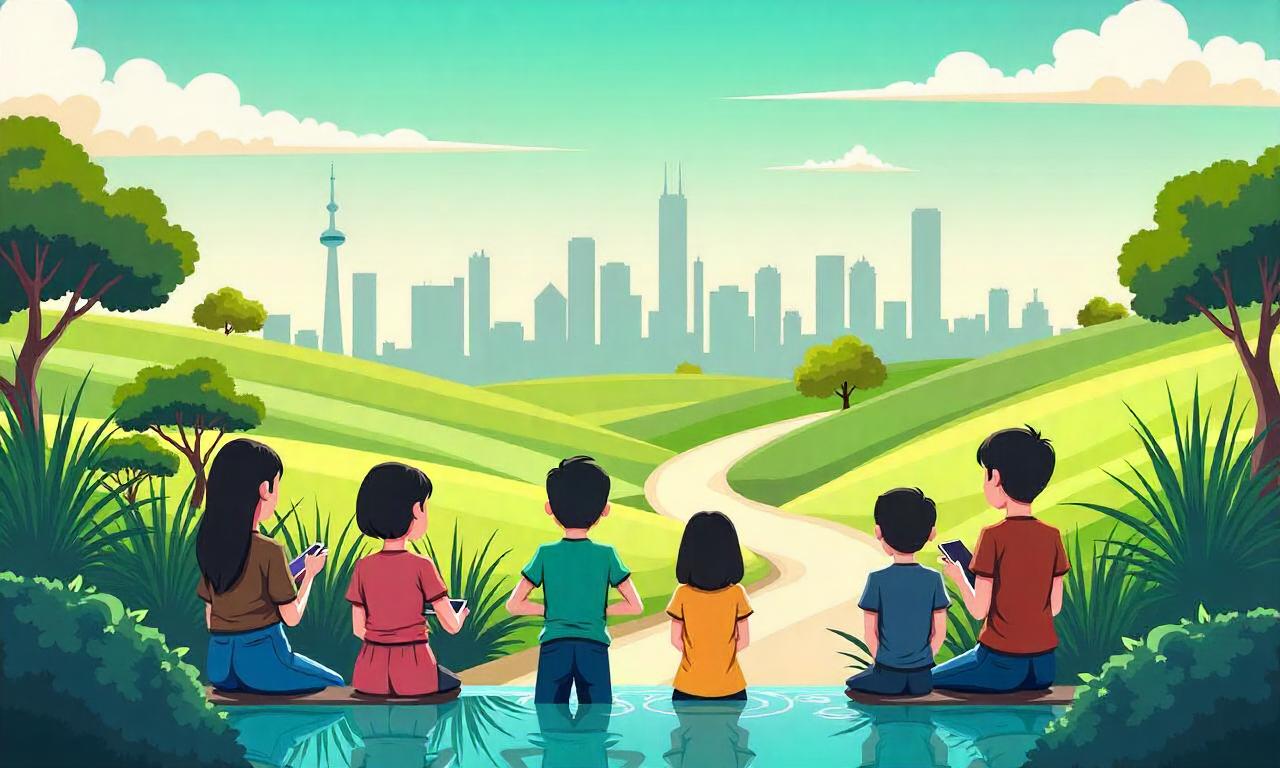
A supportive learning environment is essential for effective climate education for students. Classrooms should be spaces where students feel safe to express their ideas and concerns about the environment. Teachers can create such an environment by incorporating student-led discussions, collaborative projects, and real-world case studies. For example, discussing the impact of climate change on local communities can make the topic more relatable and meaningful for students.
Building a Greener Future Through Climate Education
Cultivating Environmental Responsibility
Climate education for students is instrumental in cultivating a sense of environmental responsibility. By teaching students about the interconnectedness of ecosystems, they learn that individual actions have a collective impact. For instance, understanding how reducing water usage affects local water sources can motivate students to conserve water at home. This awareness is the first step toward developing sustainable habits that last a lifetime.
Promoting Innovation and Creativity
Students who receive climate education for students are more likely to innovate and create solutions to environmental problems. Schools can encourage this by supporting science fairs, environmental competitions, and project-based learning. For example, a student might design a low-cost solar panel or create a campaign to reduce single-use plastics in their community. These initiatives not only address local issues but also contribute to global efforts to combat climate change.
Encouraging Community Involvement
Climate education for students should extend beyond the classroom and into the community. Schools can partner with local organizations to organize clean-up drives, tree-planting events, and climate awareness workshops. These activities provide students with opportunities to apply their knowledge in real-world settings and build a sense of community. For instance, a school might collaborate with a local environmental group to monitor air quality or promote recycling programs. Such partnerships strengthen the link between education and action, making climate education for students more impactful.
The Long-Term Impact of Climate Education
The long-term impact of climate education for students cannot be overstated. Children who learn about climate change early in life are more likely to continue their education in environmental studies and pursue careers in sustainability. For example, a student who studies climate education for students in high school might go on to become an environmental scientist, a renewable energy engineer, or an advocate for climate policies. This ripple effect ensures that climate education for students contributes to a more sustainable and resilient future.
Challenges and Opportunities in Climate Education
Overcoming Common Barriers
Despite its importance, climate education for students faces several challenges. One common barrier is the lack of comprehensive curriculum standards that prioritize environmental education. Additionally, limited funding can hinder the implementation of hands-on activities and the purchase of necessary materials. However, these challenges can be overcome through public-private partnerships, grants, and community support. For example, a local business might donate resources to a school’s environmental program, ensuring that students have access to the tools they need.
Adapting to Local Contexts
Climate education for students must be adapted to local contexts to be most effective. While the principles of climate science are universal, the specific challenges and opportunities vary by region. For instance, students in coastal areas might focus on ocean pollution and rising sea levels, while those in arid regions could study water conservation and desertification. By tailoring the content to students’ local environments, educators can make climate education for students more relevant and engaging.
Leveraging Technology for Climate Education
Technology offers exciting opportunities to enhance climate education for students. Online platforms, virtual reality simulations, and interactive apps can make learning about climate change more immersive and accessible. For example, a virtual tour of a rainforest can help students understand the impact of deforestation, while an app that tracks carbon footprints can encourage them to make eco-friendly choices. These tools make climate education for students more dynamic and appealing to digital-native learners.
Measuring the Effectiveness of Climate Education
To ensure that climate education for students is achieving its goals, it’s essential to measure its effectiveness. Assessments can include project-based evaluations, student surveys, and community impact reports. For instance, a school might track the reduction in waste after implementing a recycling program taught as part of climate education for students. By analyzing these metrics, educators can refine their approaches and demonstrate the value of environmental education.
Conclusion
Climate education for students is a vital investment in the future of our planet. It not only imparts essential knowledge about environmental challenges but also empowers young people to take action and make informed decisions. Through hands-on learning, cross-curricular integration, and community involvement, schools can create a greener future by fostering a generation of environmentally conscious leaders. As we continue to prioritize climate education for students, we lay the groundwork for sustainable development, innovation, and global cooperation. By nurturing curiosity, responsibility, and creativity, we ensure that students are equipped to address the climate crisis and contribute to a healthier, more resilient world.
