
Top Energy Efficiency Standards for Modern Homes and Businesses
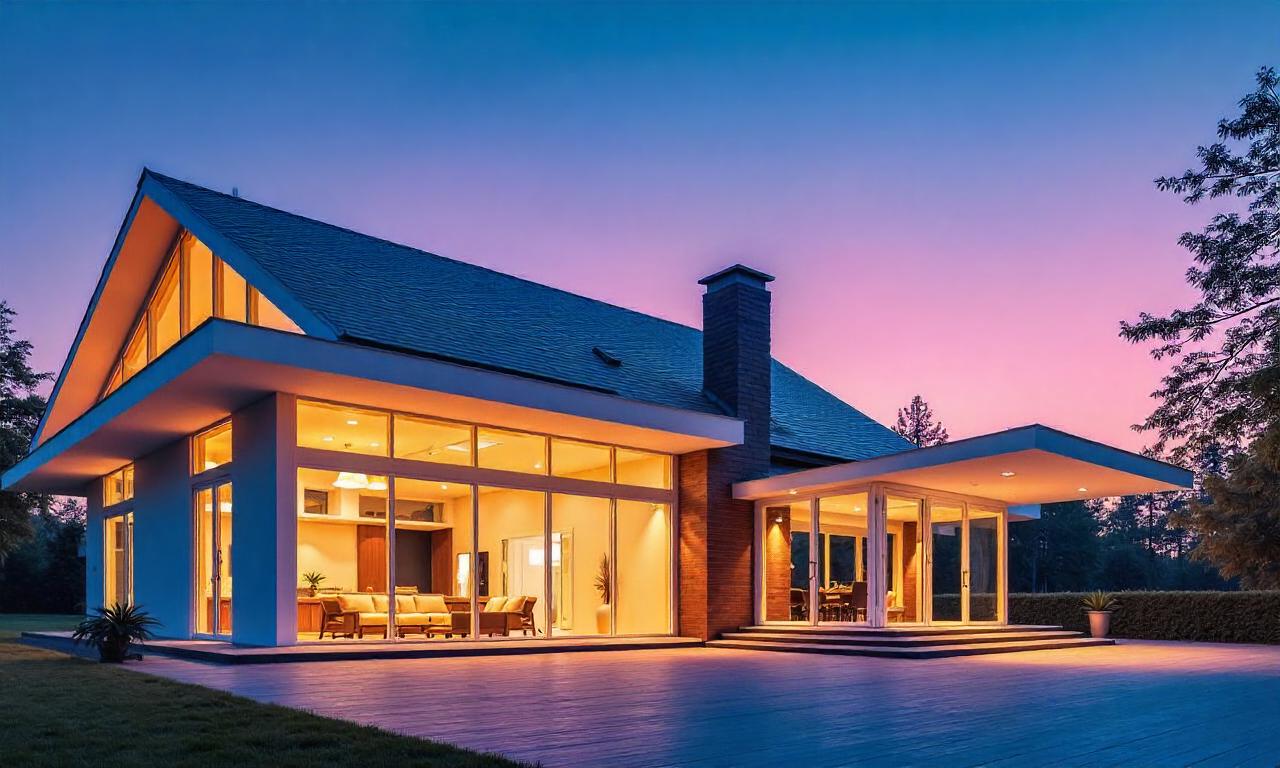
In an era where environmental sustainability and cost-effective energy use are paramount, energy efficiency standards have become a cornerstone of modern construction and operations. Whether in residential or commercial settings, adhering to these standards not only reduces energy consumption but also lowers utility bills, minimizes carbon footprints, and enhances overall building performance. As the demand for eco-friendly solutions grows, understanding the key energy efficiency standards that shape today’s built environments is essential for homeowners, business owners, and industry professionals alike. This article explores the top energy efficiency standards that are reshaping modern homes and businesses, highlighting their criteria, benefits, and practical applications.
Understanding Energy Efficiency Standards
Energy efficiency standards are regulations and benchmarks set by governments, organizations, and industry groups to ensure that buildings consume energy in an optimal and sustainable manner. These standards apply to various aspects of construction, including insulation, lighting, heating and cooling systems, and renewable energy integration. By mandating specific performance levels, energy efficiency standards help reduce greenhouse gas emissions, promote resource conservation, and support economic growth through energy savings.
The Importance of Energy Efficiency Standards
The global push for energy efficiency standards stems from the urgent need to combat climate change and reduce dependence on fossil fuels. According to the International Energy Agency (IEA), buildings account for nearly 40% of global energy consumption and 33% of CO₂ emissions. Implementing energy efficiency standards can mitigate these impacts by ensuring that new and existing structures meet minimum energy performance requirements. For instance, energy efficiency standards for homes might require the installation of energy-efficient windows or advanced insulation materials, while businesses may need to upgrade to LED lighting systems or high-efficiency HVAC units.
Types of Energy Efficiency Standards
There are two primary types of energy efficiency standards: mandatory standards and voluntary standards. Mandatory standards are enforced by government regulations, such as the International Energy Conservation Code (IECC) in the United States. These set baseline requirements that all buildings must meet. Voluntary standards, on the other hand, are certifications like ENERGY STAR or LEED, which offer higher levels of performance and recognition. While mandatory standards ensure minimum compliance, voluntary ones often provide additional incentives for exceeding energy-saving targets.
Residential Energy Efficiency Standards
Modern homes are increasingly designed to meet energy efficiency standards that prioritize comfort, sustainability, and cost savings. These standards vary by region and are often tailored to local climate conditions, but they share a common goal: to reduce energy waste and improve long-term efficiency.
ENERGY STAR Certification for Homes
One of the most recognized energy efficiency standards in residential buildings is the ENERGY STAR certification. Administered by the U.S. Environmental Protection Agency (EPA), this program identifies homes that meet strict energy performance criteria. To qualify, homes must score at least 75% on the ENERGY STAR scale, which measures energy consumption relative to other homes in the same region. ENERGY STAR-certified homes are equipped with energy-efficient appliances, lighting systems, and heating/cooling solutions. For example, these homes often use high-efficiency furnaces, smart thermostats, and low-flow water heaters to minimize energy use. Additionally, ENERGY STAR mandates that homes achieve a certain level of insulation and air sealing to reduce heating and cooling losses.
International Energy Conservation Code (IECC)
The International Energy Conservation Code (IECC) is a mandatory standard adopted by many states and municipalities in the U.S. It sets minimum energy efficiency requirements for new residential and commercial buildings. The IECC includes provisions for building envelopes, HVAC systems, lighting, and water heating.
A key aspect of the IECC is its focus on building envelope efficiency, which involves materials and designs that reduce heat transfer between the interior and exterior of a home. For example, IECC requires the use of R-value insulation in walls, floors, and attics to ensure thermal resistance. It also mandates weatherstripping and airtight construction techniques to prevent energy leaks. By following the IECC, homeowners can significantly lower their energy bills while meeting national and local environmental goals.
California Title 24
California’s Title 24 energy efficiency standards are among the most stringent in the world. These regulations, established by the California Energy Commission, apply to both residential and commercial buildings and aim to reduce energy use by 50% compared to 1978 levels.
For residential buildings, Title 24 requires energy-efficient lighting, high-performance insulation, and solar-ready requirements for new homes. It also mandates that homes include energy recovery ventilators to improve indoor air quality while reducing energy consumption. Additionally, Title 24 sets specific requirements for HVAC systems, such as the use of variable-speed motors and heat pump technology, to optimize energy use. These standards not only benefit California residents but also serve as a model for other regions seeking to achieve higher energy efficiency standards.
Commercial Energy Efficiency Standards
Businesses play a critical role in global energy consumption, and energy efficiency standards for commercial buildings are designed to address this. These standards ensure that office spaces, retail stores, and industrial facilities operate sustainably while maintaining productivity and comfort.
LEED Certification for Commercial Buildings
The Leadership in Energy and Environmental Design (LEED) certification is a globally recognized energy efficiency standards program that promotes sustainable building practices. Administered by the U.S. Green Building Council (USGBC), LEED evaluates buildings based on energy performance, water efficiency, materials selection, and indoor environmental quality.
To achieve LEED certification, commercial buildings must meet specific energy efficiency standards, such as using renewable energy sources, low-emissivity windows, and efficient lighting systems. For example, LEED-certified buildings often incorporate solar panels, green roofs, and smart building technologies to reduce energy consumption. Additionally, LEED emphasizes water-saving fixtures and recycling systems to support comprehensive sustainability. By adhering to LEED standards, businesses can reduce operational costs, enhance their reputation, and contribute to environmental conservation.
ASHRAE Standards for Building Systems
The American Society of Heating, Refrigerating and Air-Conditioning Engineers (ASHRAE) develops energy efficiency standards that focus on building systems such as heating, ventilation, and air conditioning (HVAC). ASHRAE Standard 90.1, for instance, provides energy efficiency guidelines for commercial buildings, ensuring that HVAC systems operate at peak efficiency while maintaining indoor comfort. ASHRAE standards also address lighting efficiency, building envelope performance, and renewable energy integration. For example, these standards recommend the use of LED lighting and motion sensors to reduce unnecessary energy use. Additionally, ASHRAE emphasizes the importance of air quality management in commercial spaces, which ties into energy efficiency standards by ensuring that systems like ventilation units are optimized for both performance and sustainability. By following ASHRAE guidelines, businesses can improve energy efficiency without compromising occupant health or productivity.
ISO 50001 for Energy Management Systems
While ISO 50001 is more general, it is a key energy efficiency standards for businesses of all sizes. This international standard provides a framework for implementing energy management systems (EnMS) that help organizations monitor, control, and optimize their energy use. ISO 50001 requires businesses to set energy efficiency standards, establish energy performance indicators, and conduct regular audits to track progress. For instance, companies using ISO 50001 must identify energy-saving opportunities, such as upgrading to high-efficiency motors or implementing demand-response strategies. These standards are particularly beneficial for large-scale operations, as they enable systematic energy management and long-term sustainability goals.
Benefits of Implementing Energy Efficiency Standards
Adopting energy efficiency standards offers a multitude of benefits, from cost savings to environmental impact reduction. These advantages make energy efficiency standards a vital strategy for both residential and commercial sectors.
Cost Savings and Economic Benefits
One of the most immediate benefits of energy efficiency standards is cost savings. By reducing energy consumption, homeowners and businesses can lower their utility bills significantly. For example, ENERGY STAR-certified homes are estimated to use 20–30% less energy than non-certified homes, resulting in annual savings of up to $1,000 for an average household. Similarly, businesses that meet LEED or ASHRAE standards often see reduced operational expenses due to optimized systems and efficient resource use. Energy efficiency standards also increase the market value of properties. Homes and buildings that meet these criteria are more attractive to buyers and tenants, who seek cost-effective solutions and long-term sustainability. In commercial settings, energy efficiency standards can enhance brand reputation, as companies that prioritize sustainability often gain a competitive edge in the market.
Environmental Impact and Sustainability
Implementing energy efficiency standards has a profound impact on environmental sustainability. By reducing energy consumption, these standards help lower carbon emissions, conserve natural resources, and decrease reliance on fossil fuels. For instance, Title 24 in California has contributed to a 30% reduction in energy use for new residential buildings since its implementation. Energy efficiency standards also support the transition to renewable energy sources, such as solar and wind power. Many standards, including LEED and ASHRAE, encourage the integration of green technologies like photovoltaic panels and energy-efficient lighting to minimize environmental harm. These measures are crucial for achieving global energy efficiency standards and meeting climate targets, such as the Paris Agreement.
Long-Term Value and Resilience
Beyond immediate cost savings, energy efficiency standards provide long-term value by ensuring buildings are designed for future needs. For example, ISO 50001 promotes energy resilience, enabling businesses to adapt to fluctuating energy prices and supply shortages. Additionally, energy efficiency standards reduce maintenance costs by using durable, high-performance materials and systems that last longer.
In residential settings, energy efficiency standards also improve resilience during extreme weather events. Homes with high-efficiency insulation and smart energy systems are better equipped to handle temperature fluctuations, reducing the need for excessive heating or cooling. For businesses, energy efficiency standards ensure that facilities remain operational during energy crises, as optimized systems can function efficiently even under reduced energy availability.
Future of Energy Efficiency Standards
As technology advances and environmental challenges intensify, energy efficiency standards are evolving to meet new demands. Emerging trends such as smart grid integration, AI-driven energy management, and net-zero energy buildings are redefining the future of energy efficiency standards.
Net-Zero Energy Standards
The concept of net-zero energy buildings (NZEBs) is gaining traction as a next-generation energy efficiency standards. These buildings produce as much energy as they consume over the course of a year, typically through renewable energy sources like solar panels and energy storage systems.
To achieve net-zero energy standards, both homes and businesses must integrate advanced energy systems with high-efficiency designs. For example, NZEBs often feature superinsulation, green roofs, and passive solar heating to reduce energy demand. Additionally, net-zero energy standards require the use of smart meters and energy monitoring software to track and optimize energy use.
Integration of Smart Technologies
The rise of smart technologies is revolutionizing how energy efficiency standards are applied. Devices like smart thermostats, automated lighting systems, and real-time energy sensors enable buildings to adjust energy use dynamically based on occupancy and weather conditions.
For instance, smart thermostats can learn occupants’ schedules and optimize heating and cooling to minimize waste. Similarly, automated lighting systems use motion detection and daylight harvesting to reduce electricity consumption. These innovations not only enhance energy efficiency standards but also improve occupant comfort and operational efficiency.
Global Trends and Collaborations
As energy efficiency standards become more stringent, international collaborations are playing a key role in advancing these practices. Organizations like the International Energy Agency (IEA) and World Green Building Council (WGBC) are working to harmonize energy efficiency standards across countries, ensuring that sustainable practices are adopted globally.
For example, the IEA has launched initiatives to reduce energy use in buildings by 50% by 2050, which includes updating existing standards and encouraging adoption of new technologies. These efforts are critical for achieving global energy efficiency standards and ensuring that both homes and businesses contribute to climate action.
Conclusion
In summary, energy efficiency standards are essential for creating sustainable, cost-effective, and resilient homes and businesses. From ENERGY STAR certification to LEED and ISO 50001, these standards provide a framework for reducing energy consumption while maintaining comfort and functionality. The benefits of energy efficiency standards extend beyond immediate cost savings, offering long-term value, environmental protection, and adaptability to future challenges.
As technology continues to advance and global environmental goals become more ambitious, energy efficiency standards will play an increasingly important role in shaping the built environment. Whether for residential or commercial applications, adhering to these standards is not just a regulatory requirement but a strategic investment in sustainability and economic resilience. By prioritizing energy efficiency standards, homeowners and businesses can contribute to a greener future while enjoying long-term savings and enhanced performance.
