
Sam Bankman-Fried’s Fraud Conviction Stands After Appeals Court Ruling
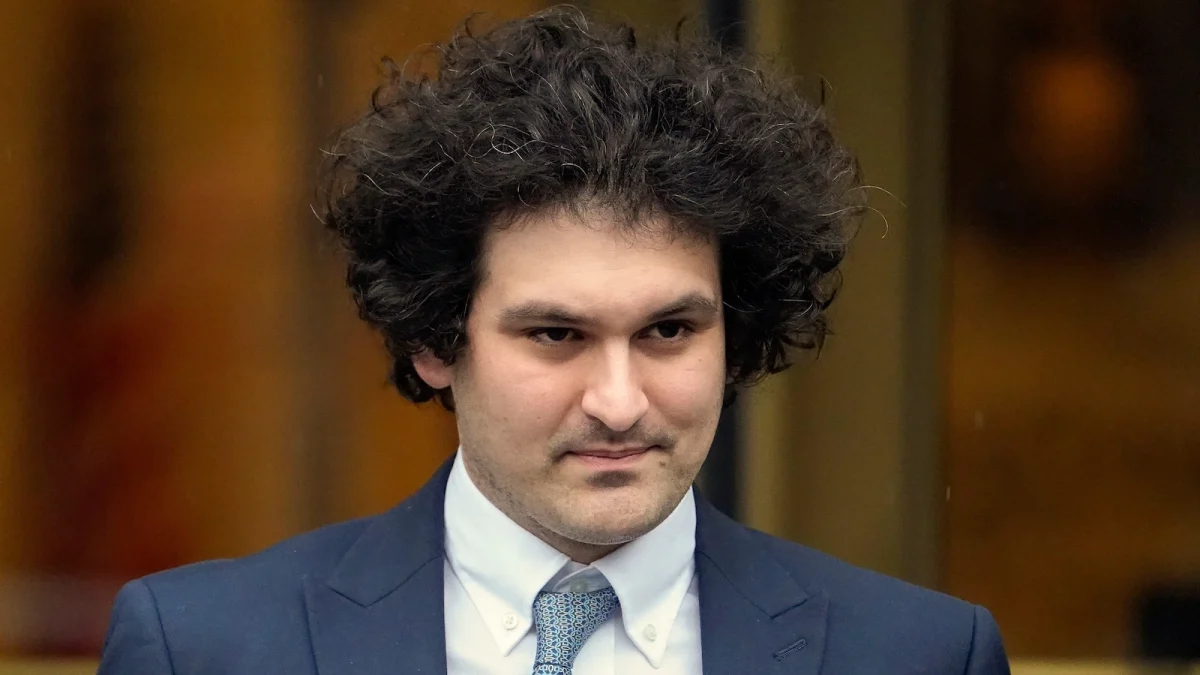
Sam Bankman Fried loses appeal of fraud – A federal appeals court on Friday affirmed the conviction of Sam Bankman-Fried, the founder of FTX, for orchestrating a historic cryptocurrency fraud scheme. The decision marks a significant milestone in the legal saga surrounding the collapse of the once-robust crypto exchange, which left billions in losses and shook global financial markets. The ruling came just days after Bankman-Fried, 34, filed a request for a presidential pardon, underscoring his ongoing efforts to reverse the verdict despite the appeals court’s rejection of his appeal.
The Collapse That Shook the Crypto World
The FTX collapse, which occurred in late 2022, is now widely regarded as one of the most consequential financial scandals in modern history. The exchange, which had grown to become one of the largest in the world, faced a catastrophic liquidity crisis when its parent company, Alameda Research, was revealed to have used customer funds to cover its own debts. This mismanagement triggered a chain reaction, leading to the bankruptcy of FTX and the loss of over $8 billion in assets for retail investors and institutional clients.
“This is one of the biggest financial frauds in American history,” stated federal prosecutors, highlighting the scale of Bankman-Fried’s alleged misconduct. They argued that the founder exploited his position to divert funds from FTX’s reserve accounts to his personal ventures, including lavish real estate purchases and high-profile loans.
Bankman-Fried was charged with seven counts of fraud, conspiracy, and money laundering, with prosecutors emphasizing his central role in the downfall of the crypto exchange. The case against him centers on his alleged manipulation of FTX’s financial systems to conceal the extent of its liabilities, ultimately leading to the collapse of the platform and the erosion of investor confidence.
The Trial and Verdict
During his 2023 federal trial, a jury found Bankman-Fried guilty on all charges, marking a decisive moment in the legal proceedings. The trial, which spanned several weeks, presented evidence of his actions as chief executive officer of FTX, including how he used customer deposits to cover losses at his hedge fund and pay off personal obligations. The conviction was accompanied by a 25-year prison sentence, a sentence that reflects the severity of the charges and the magnitude of the damage caused to the financial system.
In addition to the prison term, Bankman-Fried was ordered to forfeit $11 billion in assets, which the government will allocate to reimburse victims of the FTX collapse. This amount represents a substantial portion of the company’s assets and underscores the court’s determination to hold him accountable for the financial harm inflicted on individuals and institutions.
Legal Appeals and the Denial of a New Trial
Following the initial conviction, Bankman-Fried sought to appeal the decision, arguing that new evidence had emerged and that his sentence was unjust. However, the federal appeals court rejected his arguments, maintaining that the evidence presented during the trial was sufficient to support the verdict. The court also dismissed his claim that newly discovered witnesses could provide exculpatory testimony, a point that had been raised in April when a federal judge denied his request for a new trial.
Bankman-Fried’s legal team had contended that the trial process was flawed, citing the lack of transparency in the company’s financial dealings and the absence of key witnesses during the original proceedings. The denial of a new trial by the judge in April was based on the finding that the additional evidence did not significantly alter the facts or the credibility of the prosecution’s case. This decision was later upheld by the appeals court, closing a critical avenue for his defense.
The Impact of the Conviction
The appeals court’s ruling has far-reaching implications, not only for Bankman-Fried but also for the broader cryptocurrency industry. The case has become a symbol of the risks associated with unregulated financial innovation, as it exposes how a single individual’s decisions can destabilize a multi-billion-dollar enterprise. The conviction also reinforces the regulatory scrutiny that crypto firms now face, with authorities emphasizing the need for stronger oversight and accountability mechanisms.
Bankman-Fried’s fate has drawn attention from investors, lawmakers, and the media, as his case serves as a cautionary tale about the importance of transparency and sound financial practices. The $11 billion forfeiture, combined with the prison sentence, aims to both punish the founder and provide a measure of restitution to those affected by the collapse. However, the process of distributing these funds to victims is expected to take years, given the complexity of identifying eligible claimants and navigating legal challenges.
A Developing Story with Lasting Effects
While the appeals court’s decision concludes the legal battle over the fraud conviction, the story surrounding Bankman-Fried and FTX continues to unfold. The founder remains a prominent figure in the crypto world, with his case fueling ongoing discussions about the role of executives in financial crises and the potential for regulatory action to reshape the industry.
As the legal proceedings close, the focus shifts to the practical consequences of the conviction. The $11 billion forfeiture will be used to compensate victims, but questions remain about how the funds will be distributed and whether the government will prioritize institutional investors or retail clients. Additionally, Bankman-Fried’s prison sentence will require him to serve time, which may further impact his ability to rebuild his career or influence the crypto sector from within.
The conviction also sets a precedent for future cases involving financial misconduct in the digital asset space. It demonstrates the willingness of federal prosecutors to pursue high-profile cases and hold individuals accountable for large-scale fraud. For the crypto industry, this outcome signals a turning point, as it moves toward a more regulated environment with increased scrutiny of leadership practices and financial disclosures.
As the legal saga concludes, the focus remains on the aftermath of the FTX collapse. The case has left a lasting mark on the cryptocurrency market, prompting reforms and renewed calls for investor protection. While Bankman-Fried’s conviction is a key development, the journey toward recovery for those affected by the crisis is far from over. The court’s decision ensures that the founder will face the consequences of his actions, but it also highlights the ongoing challenges of rebuilding trust in an industry that has been shaken by unprecedented losses.
With the appeal dismissed, the federal case against Bankman-Fried has reached its final stage. The outcome solidifies his responsibility for the collapse of FTX and the subsequent financial fallout. As the cryptocurrency sector continues to adapt, the conviction serves as a reminder of the importance of ethical leadership and the potential for legal accountability to shape the future of digital finance.