
Trump’s Triumphal Arch Construction to Span 2 to 3 Years with 20-Hour Daily Work Schedule
Trump s arch construction to run 20 – The National Park Service (NPS) has outlined plans for Donald Trump’s “Triumphal Arch,” which aims to be completed by the time the former president leaves office. According to recently released planning documents from the Department of the Interior, the construction will operate for 20 hours each day over the next two to three years, ensuring continuous progress on the ambitious project. This schedule includes multiple shifts and extensive use of heavy machinery, signaling a major commitment to the monument’s development.
Design and Material Choices Highlight Modern Approach
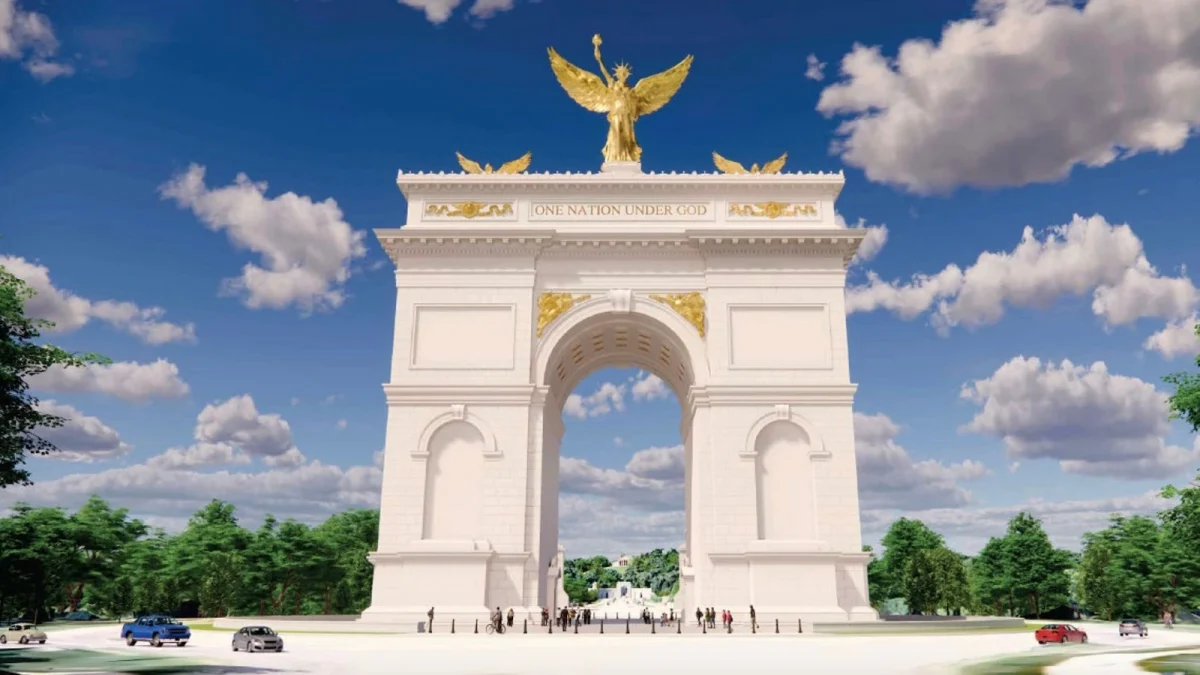
The NPS has shared detailed designs, visual renderings, and technical reports for the arch, which is currently under review for public feedback. These documents emphasize the structure’s scale and its intended symbolic role. “The arch’s height was selected to reflect the 250-year milestone of American independence, making smaller designs insufficient for the project’s purpose,” one report stated, underscoring the significance of the 250-foot height. The proposed monument will be constructed using concrete and adorned with U.S.-sourced granite, a shift from the marble or limestone commonly used in older D.C. landmarks.
The design also incorporates specialized equipment to meet the project’s demands. Planning documents indicate that workers will need several cranes exceeding 320 feet in height—taller than the U.S. Capitol building—as well as concrete pumps, forklifts, and skid steers. These tools are essential for the complex construction process, which includes digging deep foundations and assembling the arch’s framework. The NPS estimates that removing material for the foundation will require up to 30 trucks to transport 100 loads of soil daily, highlighting the logistical scale of the undertaking.
Aviation Safety Measures Address Concerns
Given the arch’s proximity to Ronald Reagan Washington National Airport (DCA), architects have integrated aviation safety lighting into the design. The Federal Aviation Administration (FAA) recently concluded a feasibility study, stating the structure would “have no significant adverse effect on airspace and visual/instrument procedures.” According to the FAA, the only necessary feature would be red obstruction lights at the top of the arch, a standard safety measure for tall structures.
“Career safety experts found no adverse impacts to operations at DCA. Their review determined the only requirement would be the top of the structure would need to be lit with red obstruction lights—a common safety tool,” said an FAA spokesperson in a statement. The agency plans to conduct a full aeronautical study with the NPS next, further refining the design’s compatibility with air traffic.
The project’s timeline spans seven distinct phases, each requiring precise coordination. The first phase involves site excavation, followed by a five-month period of continuous heavy equipment operations to install a foundation system reaching 75 feet into bedrock. Once the foundation is complete, construction of the primary concrete structure will take approximately 10 months. Afterward, granite panels will be affixed to the concrete framework, completing the arch’s exterior.
Legal Challenges and Public Debate
Despite the NPS’s progress, the arch has faced legal scrutiny. Lawsuits challenging the project, along with other initiatives like Trump’s White House Ballroom, golf course renovations, and the repainting of the Lincoln Memorial Reflecting Pool, have been filed in federal court. However, these efforts have so far failed to halt construction, indicating strong support for the monument’s development.
The arch’s design has not yet received final approval from the National Capital Planning Commission (NCPC). During a recent hearing, Trump appointees debated potential gaps in the plan, with some calling for further adjustments. The NCPC’s role in reviewing and endorsing the project adds another layer of complexity to the timeline, as decisions could delay or accelerate the construction process.
Symbolism and Impact on D.C.’s Landscape
Trump’s “Triumphal Arch” is designed to commemorate the nation’s 250-year history of independence, positioning it as a prominent landmark in Washington, D.C. Renderings provided by the NPS depict the arch from various angles, including a street-level view that places Arlington Memorial Cemetery in the background. Another image shows the structure from the Lincoln Memorial, offering a sense of its scale and visual presence.
The project is expected to cause significant traffic disruptions near Arlington Memorial Bridge, according to NPS estimates. While the exact extent of these impacts remains under assessment, the NPS has emphasized the need for efficient logistics to minimize delays. The arch’s construction will also involve assembling inner components such as stairs, elevators, and plumbing systems, with the final phase including the installation of a gold statue atop the structure.
As the construction moves forward, the arch will stand as a testament to Trump’s vision of American history and legacy. Its towering presence and modern materials reflect a blend of tradition and innovation, though its approval and implementation continue to spark debate. The NPS’s commitment to 20-hour daily operations underscores the urgency of completing the project within the proposed timeframe, ensuring it becomes a permanent fixture in the nation’s capital.
Public Engagement and Future Steps
The release of design documents and renderings marks a key step in the NPS’s effort to gather public input. This transparency is critical as the project seeks to align with community expectations while addressing concerns about its environmental and aesthetic impact. The NCPC’s eventual endorsement will be pivotal, as it holds the authority to approve or reject the arch’s placement in the D.C. skyline.
With construction set to begin and a detailed plan in place, the Triumphal Arch represents a bold addition to Washington’s iconic landmarks. Its completion will not only reshape the city’s landscape but also serve as a lasting symbol of Trump’s presidential tenure. As the NPS and FAA refine their assessments, the project remains on track to meet its ambitious schedule, despite ongoing challenges and public discourse.
These planning efforts highlight the multifaceted nature of large-scale infrastructure projects. From material selection to aviation safety considerations, every detail has been meticulously addressed to ensure the arch’s success. The continuous work schedule and multi-phase approach demonstrate a strategic plan to manage the complexity of the undertaking, with each stage contributing to the final outcome. As the construction progresses, the Triumphal Arch will stand as a tangible representation of the nation’s history and a testament to the dedication required to bring such a vision to life.