
Karmelo Anthony Gets 35-Year Sentence for Texas Track Meet Stabbing
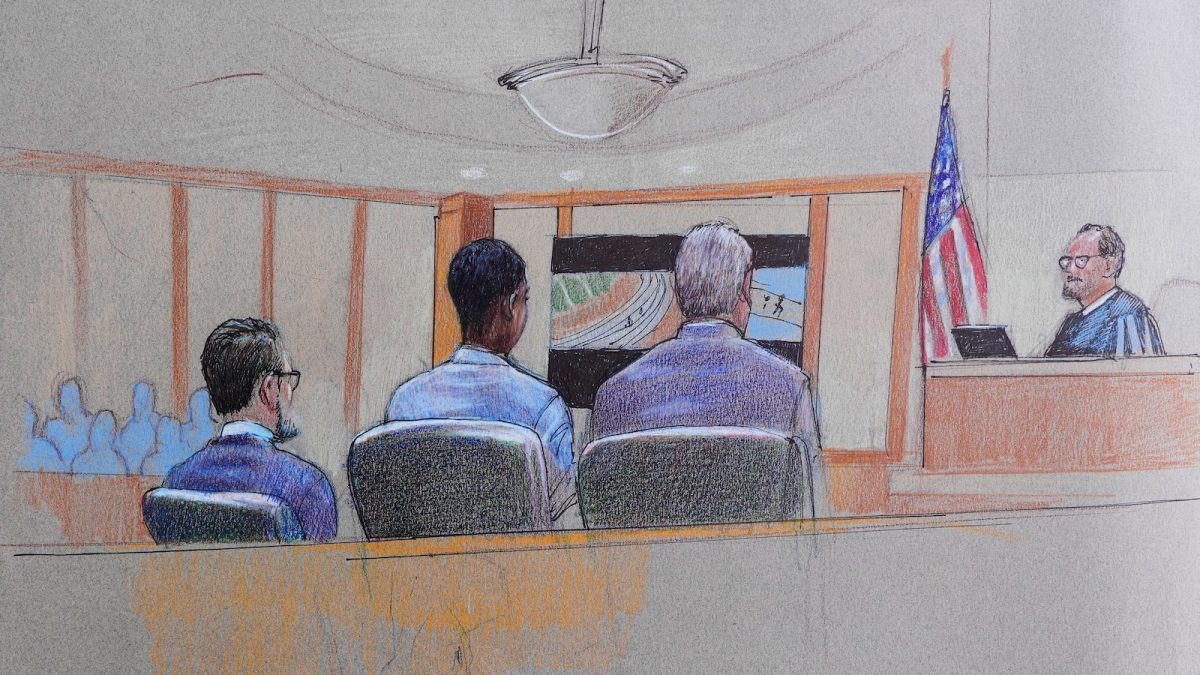
Karmelo Anthony sentenced to 35 years – Karmelo Anthony, a 19-year-old student, has been sentenced to 35 years in prison for the murder of 17-year-old Austin Metcalf during a track and field event in Frisco, Texas. The incident, which took place on April 2, 2025, led to a high-profile trial that captivated local and national media. The verdict, delivered on June 4, 2026, at the Collin County Courthouse in McKinney, Texas, reflects the jury’s belief in the defendant’s guilt after a detailed examination of the evidence.
Case Background and Trial Overview
Karmelo Anthony was convicted of first-degree murder for the fatal stabbing that occurred during a Texas high school track meet. The event, held at a Frisco Independent School District stadium, became the center of a legal battle that spanned four days. Prosecutors argued that Anthony’s actions were premeditated, while the defense claimed the attack was an impulsive response to a confrontation. The jury’s decision to impose the maximum sentence highlights the gravity of the crime and its impact on the community.
“This is not just a story for the media—it’s our reality as a family,” said Meghan Metcalf, Austin’s mother, as reported by WFAA.
“The passion and rage in that moment were overwhelming,” added Jeff Metcalf, the victim’s father, describing the emotional aftermath of the incident.
Key Evidence and Legal Arguments
The prosecution’s case relied heavily on witness testimonies and video evidence from the track meet. According to the state, Anthony provoked Metcalf and failed to de-escalate the situation, leading to the fatal act. The defense, however, emphasized the emotional and physical chaos of the moment, suggesting that Anthony’s actions were a reaction to being cornered in a rain-soaked tent. The jury ultimately found that the attack was deliberate and unjustified, resulting in the 35-year sentence.
Throughout the trial, the defense sought to humanize Anthony by highlighting his remorse and the circumstances of the incident. Anthony’s mother testified on his behalf, urging the jury to consider his emotional state during the altercation. Prosecutors, led by District Attorney Bill Wirskye, maintained that the defendant had the opportunity to avoid the confrontation, underscoring the severity of the crime. The final verdict, which includes a 35-year sentence, has left the community reflecting on the consequences of violence at sports events.
Community Reaction and Broader Implications
The trial sparked intense discussions about safety during athletic events and the role of youth violence in the community. Local residents expressed a mix of anger and sorrow, with many calling for stricter measures to prevent such tragedies. The focus keyword, “Karmelo Anthony sentenced to 35 years,” has become a central point of debate, as it encapsulates the outcome of a case that unfolded in the heart of a school district.
The verdict has also raised questions about the legal system’s handling of cases involving school-related violence. Anthony’s 35-year sentence marks a significant milestone in the case, reflecting the court’s decision to prioritize accountability. As the defendant is now under sheriff’s custody, the trial has brought attention to the emotional toll of such incidents, with families and friends left to process the loss of a young life.
Context of the Incident
The fatal stabbing occurred at a track meet where multiple schools gathered, creating an environment ripe for social interaction and potential conflict. Witnesses described the scene as tense, with Anthony and Metcalf locked in a heated exchange under a school tent. The rain-soaked conditions added to the situation, as both teens sought shelter. Despite the chaotic setting, the jury determined that the altercation escalated to a point of deadly force, leading to the 35-year sentence for Anthony.
“The event was meant to be a celebration of youth and sport, but it turned into a tragedy that will be remembered for years,” said a local official.
The prosecution’s argument that Anthony acted with intent and the defense’s claim of sudden passion were both critical in shaping the verdict. The final sentence of 35 years underscores the seriousness with which the court views such acts of violence, especially in public spaces where students gather.