
Iran Live Updates: Trump Announces Framework of Iran Peace Deal to Be Shared Soon
Iran live updates – President Donald Trump unveiled new details about a potential peace agreement with Iran during a recent update, signaling a shift in U.S. strategy to resolve ongoing tensions. The announcement, made in the wake of escalating regional conflicts, came as part of a broader effort to stabilize the Middle East. Trump emphasized that the “framework of a peace deal” would be presented to the public shortly, outlining key components that could pave the way for a lasting resolution. This development follows a series of coordinated military actions targeting Iran’s infrastructure and government facilities, which were described as “major combat operations” by the administration.
Coordinated Strikes and Ceasefire Agreement
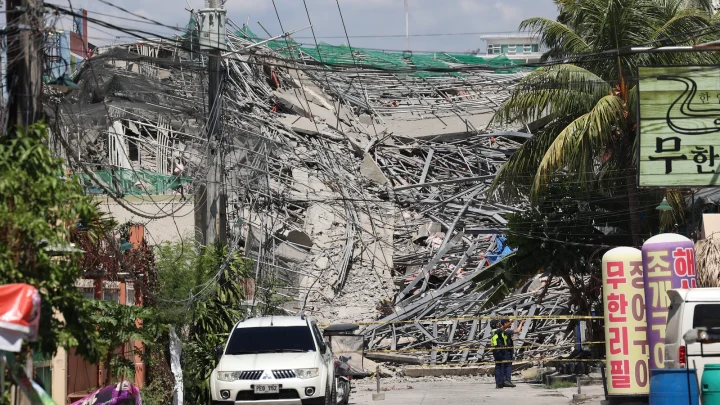
On February 28, the U.S. and Israel launched a significant joint operation against Iran, striking multiple high-value targets across the country. These attacks, which included air raids and precision missile strikes, focused on military installations, strategic government buildings, and critical infrastructure. The operation was designed to cripple Iran’s ability to project power in the region and disrupt its nuclear advancements. Saudi Arabia and the United Arab Emirates, both key U.S. allies, swiftly condemned the attacks, calling them a necessary step to counter Iran’s aggressive posture.
Following the initial wave of strikes, Trump declared a two-week ceasefire, aiming to create a window for diplomatic engagement. This pause in hostilities was intended to allow for dialogue between the U.S. and Iran, with the goal of addressing concerns over Iran’s nuclear program and its support for regional adversaries. However, the ceasefire did not prevent further military activity; instead, it was framed as a temporary measure to facilitate negotiations. During this period, Trump emphasized the importance of maintaining pressure on Iran through economic sanctions and military presence.
Failed Talks and Extended Ceasefire
Initial rounds of U.S.-Iran talks, held in Pakistan in April, failed to yield a comprehensive peace deal. Despite multiple sessions, the two sides could not agree on critical issues, including Iran’s nuclear ambitions and the lifting of sanctions. Trump later extended the ceasefire beyond its original two-week term, stating that the agreement would remain in place “until negotiations are concluded one way or the other.” This move was met with mixed reactions, as some analysts viewed it as a strategic pause, while others criticized it for delaying meaningful progress.
During the April talks, Iranian representatives reiterated their demand for a permanent agreement that would limit their nuclear capabilities in exchange for sanctions relief. The U.S., however, sought to ensure that Iran could not acquire nuclear weapons within the next decade. Trump’s decision to prolong the ceasefire added uncertainty to the peace process, with the president stating that the framework of the deal would be shared once a breakthrough was achieved. “We’re making progress, but we need time to finalize the terms,” he remarked in a statement released after the talks.
Continuation of Blockade and Regional Implications
Trump also confirmed that the U.S. would continue its economic blockade of Iran until the negotiations reached a conclusive outcome. The blockade, which has been in place for years, targets Iran’s oil exports and financial systems, aiming to weaken its economy and force compliance with U.S. demands. The president argued that the blockade was essential to ensuring that Iran could not sustain its military operations or expand its influence in the region.
“The blockade is a tool to hold Iran accountable,” Trump stated in a
“We’re making progress, but we need time to finalize the terms.”
The president’s comments underscored the U.S. commitment to using economic pressure as a means of diplomacy. Meanwhile, regional allies such as Saudi Arabia and the UAE expressed cautious optimism about the potential for a peace deal, while also highlighting the need for Iran to demonstrate its willingness to cooperate. “Iran’s actions have threatened the stability of the entire region,” said a Saudi official in a separate statement, reiterating support for the U.S. stance.
The extended ceasefire has provided a temporary respite for countries in the region, allowing them to focus on rebuilding infrastructure damaged during the initial strikes. However, the lack of a formal agreement has raised concerns about the long-term implications for Iran’s military and nuclear programs. Analysts suggest that the ceasefire may have been used to buy time for the U.S. to refine its proposal, which could include a combination of sanctions relief, military commitments, and nuclear limitations. “This is a crucial moment for the peace process,” noted a U.S. State Department spokesperson, “but the path forward remains unclear.”
Strategic Objectives and International Reactions
As the peace talks continue, Trump’s administration has focused on three primary objectives: curbing Iran’s nuclear capabilities, dismantling its support networks for militant groups, and ensuring its compliance with international agreements. The president has also called for the involvement of other nations, including France and Germany, in the negotiations, emphasizing the need for a multilateral approach. “We can’t solve this alone,” he added, “but we’re leading the charge.”
While the U.S. and its allies have taken a firm stance, the broader international community has remained divided. Some European nations have expressed concern over the U.S. strategy, fearing that it may lead to further escalation. Meanwhile, Iran has continued to assert its right to develop nuclear technology, stating that any agreement must be fair and balanced. “Our nuclear program is a source of pride and a symbol of our independence,” said an Iranian official in a recent address, highlighting the country’s resolve to protect its interests.
The ongoing conflict has had a ripple effect across the Middle East, with neighboring countries closely monitoring the developments. Saudi Arabia, in particular, has taken a proactive role in coordinating with the U.S. to address shared security threats. The UAE has also pledged its support for the ceasefire, recognizing its potential to reduce regional tensions. However, both nations have warned that they will not hesitate to take military action if Iran continues to pose a direct threat.
Looking Ahead: The Framework of a Peace Deal
With the framework of the peace deal yet to be fully disclosed, speculation has intensified about its potential terms. Reports indicate that the agreement may include a phased approach to sanctions relief, coupled with enhanced monitoring of Iran’s nuclear activities. Additionally, there are discussions about Iran’s military commitments, particularly in the Gulf region, where it has been accused of supporting militant groups. Trump’s administration has stressed that the deal must be “tough and fair,” ensuring that Iran cannot exploit the ceasefire to rebuild its military strength.
“This framework is the foundation for a lasting peace,” Trump stated in a press conference, as he outlined the key elements of the agreement. “It addresses the root causes of the conflict and sets clear conditions for Iran’s compliance.” The president’s remarks were met with both praise and criticism, with some experts calling the deal a “bold and necessary step,” while others warned that it may not be sufficient to prevent future clashes.
As the negotiations progress, the international community will be watching closely for any signs of a breakthrough. The U.S. has made it clear that the peace deal is not just a temporary fix but a long-term solution to the Iran crisis. “We’re not just looking for a ceasefire,” Trump added, “we’re aiming for a comprehensive and sustainable peace.”
In the meantime, the region remains on edge, with the possibility of renewed hostilities lingering. However, the extended ceasefire has provided a valuable opportunity for dialogue, and Trump’s commitment to sharing the framework of the deal has given hope to those who believe in the potential for reconciliation. As the talks continue, the focus will remain on translating these strategic discussions into concrete actions that address the concerns of all parties involved.