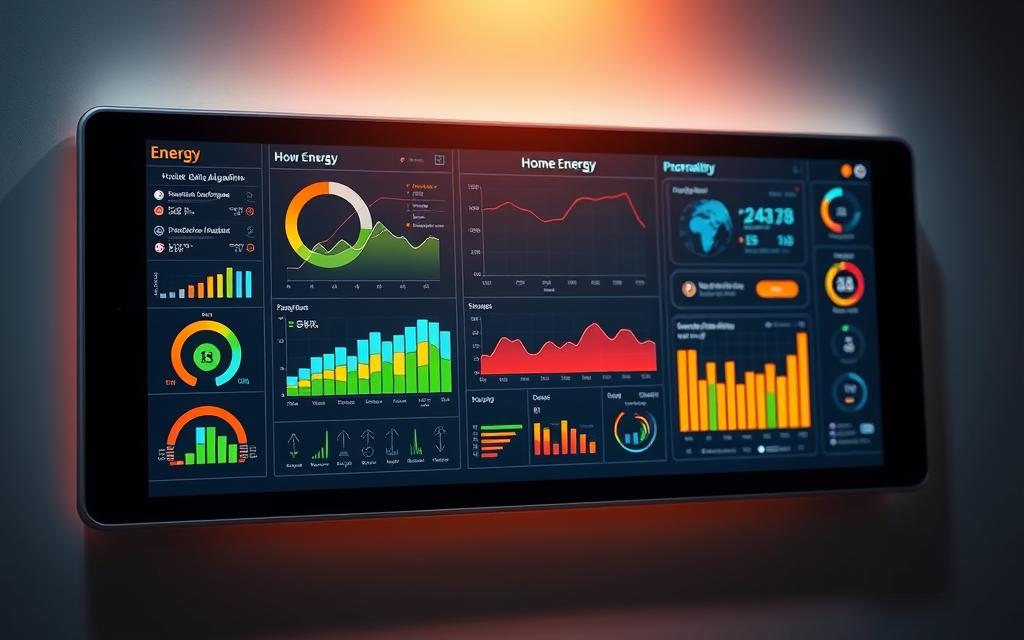
Energy audits have become a crucial part of modern building management, especially as sustainability and cost efficiency take center stage in today’s energy-conscious world. Whether you’re a homeowner, a business owner, or a facility manager, understanding the energy audit process can help you identify inefficiencies, reduce expenses, and make informed decisions about energy use. However, many people are unaware of how the energy audit process actually works or what steps are involved. This guide aims to break down the energy audit process in a clear, step-by-step manner, covering everything from preparation to implementation. By the end of this article, you’ll have a comprehensive understanding of how to conduct an energy audit, the tools and techniques used, and the benefits that come with it. The energy audit process is more than just a one-time assessment—it’s a strategic approach to optimizing energy consumption, improving operational efficiency, and contributing to environmental sustainability. Understanding the Basics of the Energy Audit Process The energy audit process is a systematic method to evaluate how energy is used within a building or facility. It involves analyzing energy consumption patterns, identifying areas of waste, and recommending improvements to enhance efficiency. This process is often conducted by energy professionals or auditors who use specialized tools and data to measure energy usage and pinpoint opportunities for savings. The energy audit process typically begins with an initial assessment to determine the scope of the audit, followed by data collection, analysis, and the creation of a detailed report. What Is an Energy Audit? An energy audit is a diagnostic tool that provides insights into a building’s energy performance. It can be as simple as a walk-through inspection or as complex as a full diagnostic analysis using advanced technologies. The energy audit process is designed to uncover where energy is being used most and where it can be optimized. For instance, a basic audit might involve reviewing utility bills and examining equipment, while a comprehensive audit may use infrared cameras, data loggers, and energy modeling software to gather detailed information. The primary goal of an energy audit is to identify energy-saving opportunities. By understanding the energy audit process, businesses and homeowners can reduce their energy costs, lower their carbon footprint, and improve the overall performance of their facilities. The energy audit process also helps in prioritizing investments, ensuring that resources are allocated efficiently to maximize returns. Why Is the Energy Audit Process Important? The energy audit process plays a vital role in helping organizations achieve their energy efficiency goals. It enables them to understand their current energy consumption, compare it with industry benchmarks, and determine where improvements can be made. For example, an energy audit might reveal that a building’s heating system is consuming excessive energy due to outdated equipment or poor insulation. Addressing such issues through the energy audit process can lead to substantial savings over time. Moreover, the energy audit process is essential for compliance with energy regulations and sustainability standards. Many governments and organizations require businesses to conduct regular energy audits to meet environmental targets or qualify for incentives. By following the energy audit process, stakeholders can ensure they are meeting these requirements while also improving their energy performance. The process also fosters a culture of continuous improvement, encouraging teams to think critically about energy use and implement long-term strategies. Step-by-Step Breakdown of the Energy Audit Process The energy audit process is divided into several phases, each designed to build on the previous one. A well-structured approach ensures that all energy-related aspects are thoroughly examined, from data collection to action planning. Let’s explore the key steps in the energy audit process and how they contribute to identifying and implementing energy-saving measures. Step 1: Planning the Audit Before diving into the actual audit, planning is critical to ensure the process runs smoothly and effectively. This stage involves defining the audit’s scope, setting clear objectives, and selecting the appropriate tools and methodologies. For example, a small residential property might require a simpler energy audit process compared to a large commercial building with complex energy systems. During planning, auditors typically gather information about the building’s energy use, including utility bills, equipment lists, and historical data. This helps in understanding the baseline energy consumption and identifying areas that may require more detailed analysis. It is also important to coordinate with stakeholders, such as facility managers, owners, or tenants, to ensure their needs and expectations are considered. The energy audit process begins with a preliminary assessment to determine the type of audit needed. A Level 1 audit, also known as a walk-through audit, is often the first step. It provides a general overview of energy usage and highlights obvious areas for improvement. A Level 2 audit, or energy usage analysis, involves more detailed data collection and analysis, while a Level 3 audit may include energy modeling and equipment testing. Step 2: Data Collection and Analysis Once the planning phase is complete, the energy audit process moves into the data collection and analysis stage. This involves gathering detailed information about the building’s energy consumption, including electricity, gas, and water usage. Data is often collected over a specific period to ensure accuracy and reliability. During this step, auditors may use energy meters, data loggers, and sensors to measure energy usage in real-time. They also analyze utility bills to identify trends and anomalies, such as spikes in energy consumption during certain months or days. Smart thermostats and building management systems can provide valuable insights into how energy is being used in different parts of the building. The energy audit process requires a thorough examination of all energy-consuming systems, including lighting, HVAC, and machinery. By analyzing this data, auditors can determine which systems are underperforming and where energy is being wasted. For instance, a power audit might reveal that a building’s lighting system is using outdated bulbs that consume more energy than necessary. Step 3: Identifying Energy Inefficiencies After collecting and analyzing data, the next step in the energy audit process is to identify energy inefficiencies. This involves

Top Climate Change Solutions for the Future
Climate change is one of the most pressing challenges of the 21st century, threatening ecosystems, economies, and human well-being on a global scale. As temperatures rise and extreme weather events become more frequent, the urgency to implement Climate change solutions for the future has never been greater. From shifting to sustainable energy sources to redesigning urban infrastructure, the path to mitigating climate impacts requires a multifaceted approach. This article explores the most effective strategies that can help address the root causes of climate change and pave the way for a resilient, low-carbon future. By understanding these solutions and their potential, individuals, communities, and governments can take meaningful steps toward creating a healthier planet for generations to come. Renewable Energy Transition The shift to renewable energy is a cornerstone of Climate change solutions for the future, offering a sustainable alternative to fossil fuels that have driven global warming for decades. Renewable energy sources such as solar, wind, hydro, and geothermal power not only reduce greenhouse gas emissions but also provide long-term economic and environmental benefits. As the world continues to deplete finite resources like coal, oil, and natural gas, the adoption of clean energy technologies is essential for curbing the carbon footprint of industries and households alike. Solar Power and Wind Energy Solar power and wind energy are two of the fastest-growing renewable energy solutions. Solar panels have become increasingly efficient and affordable, allowing individuals and businesses to generate electricity from sunlight. Similarly, wind turbines harness the kinetic energy of air currents to produce power, making them a viable option for both rural and urban areas. These technologies are key to achieving Climate change solutions for the future, as they drastically reduce reliance on fossil fuels and lower carbon emissions. However, their integration into the energy grid requires advancements in energy storage, such as battery systems, to address intermittency issues. The growth of solar and wind energy has been remarkable, with global installations surging in recent years. For instance, the International Energy Agency (IEA) reports that solar energy alone accounted for over 10% of global electricity generation in 2023. This progress highlights the potential of these solutions to replace traditional energy sources. Despite their promise, challenges like land use, visual impact, and grid compatibility remain. Innovations such as floating solar farms and offshore wind installations are helping to overcome these obstacles by utilizing underused spaces and reducing environmental disruption. Hydro and Geothermal Energy Hydroelectric power and geothermal energy provide stable, low-emission alternatives to fossil fuels. Hydropower generates electricity by using the flow of water, while geothermal energy taps into the Earth’s internal heat to produce power. These sources are particularly valuable in regions with abundant natural resources, such as mountainous areas or volcanic zones. Unlike solar and wind, which depend on weather conditions, hydropower and geothermal energy offer consistent energy output, making them reliable for baseload power generation. The combination of renewable energy sources can create a balanced and resilient energy system. For example, integrating hydropower with solar and wind energy can smooth out fluctuations in supply. However, hydropower projects often face criticism for their impact on aquatic ecosystems and displacement of communities. To address this, modern hydropower technologies focus on smaller-scale, run-of-the-river systems that minimize environmental harm. Similarly, geothermal energy is gaining traction through enhanced geothermal systems (EGS), which expand the potential for harnessing heat from deeper underground. Energy Storage and Smart Grids To fully realize the potential of renewable energy, advancements in energy storage and smart grids are critical. Energy storage solutions like lithium-ion batteries, hydrogen storage, and pumped hydro systems enable the retention of excess energy for later use, ensuring a steady power supply even when the sun isn’t shining or the wind isn’t blowing. Smart grids, on the other hand, use digital technology to optimize energy distribution, reduce waste, and integrate multiple renewable sources seamlessly. These innovations are transforming how energy is managed and consumed, making renewable sources more practical for everyday use. For instance, smart grids can automatically adjust energy flow based on demand, preventing overloads and improving efficiency. Meanwhile, battery storage is becoming a key component of residential and commercial energy systems, allowing users to store solar power for nighttime use or during power outages. The development of these technologies is a vital part of Climate change solutions for the future, as they bridge the gap between intermittent renewable sources and consistent energy needs. Sustainable Agriculture and Food Systems Agriculture is a significant contributor to climate change, accounting for nearly 25% of global greenhouse gas emissions. To address this, sustainable agriculture practices are gaining momentum as a crucial part of Climate change solutions for the future. By adopting eco-friendly farming methods and reducing the environmental impact of food production, we can significantly lower emissions while ensuring food security for a growing population. Regenerative Farming and Carbon Sequestration Regenerative farming is an approach that focuses on restoring soil health, enhancing biodiversity, and sequestering carbon. Unlike conventional farming, which often depletes soil nutrients and releases carbon into the atmosphere, regenerative practices like cover cropping, crop rotation, and no-till farming help store carbon in the soil. These methods not only reduce emissions but also improve resilience to climate extremes such as droughts and floods. The benefits of regenerative farming extend beyond environmental protection, supporting long-term agricultural productivity. For example, cover crops prevent soil erosion and enhance water retention, reducing the need for synthetic fertilizers. Crop rotation also helps maintain soil fertility and disrupt pest cycles, leading to more sustainable food systems. As more farmers adopt these practices, the potential for Climate change solutions for the future in the agricultural sector grows, offering a dual benefit of environmental restoration and economic stability. Reducing Food Waste and Methane Emissions Another critical aspect of sustainable agriculture is reducing food waste, which accounts for approximately 13% of global greenhouse gas emissions. Food waste occurs at every stage of the supply chain, from production to consumption, and can be minimized through better storage, transportation, and packaging technologies. Additionally, methane capture systems in