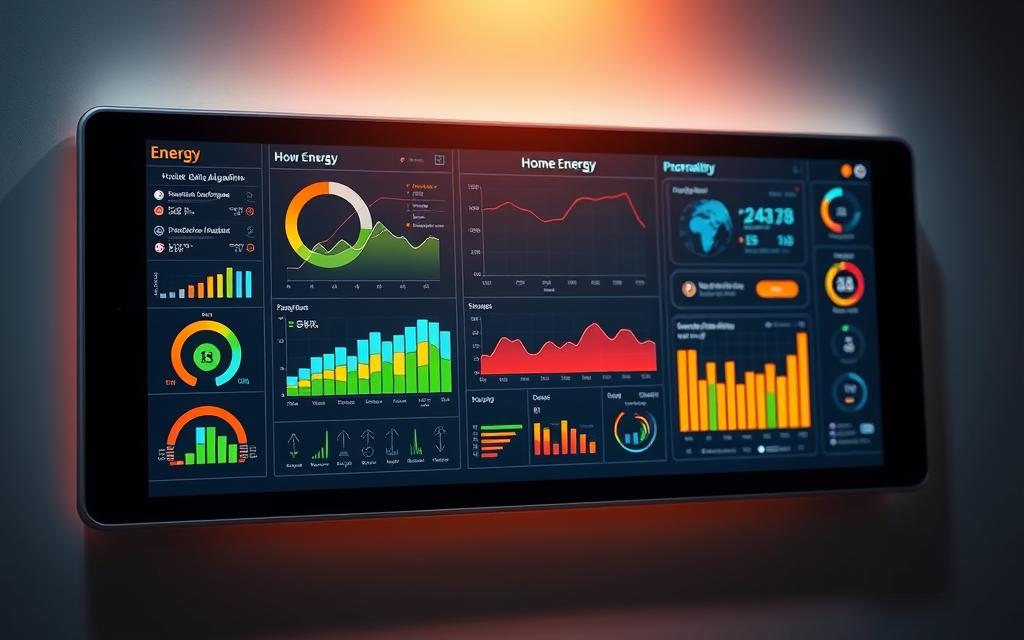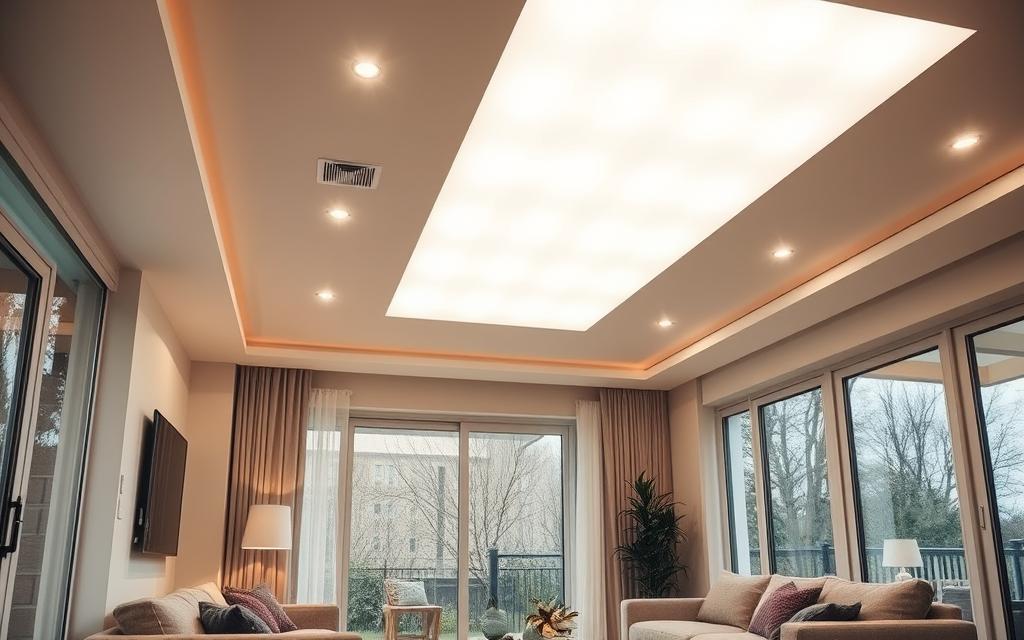
In today’s fast-paced world, home efficiency is more than just a trend—it’s a necessity. As energy costs rise and environmental concerns grow, homeowners are increasingly looking for innovative solutions to reduce waste and optimize resource use. Enter smart tech, a game-changing force that has revolutionized the way we interact with our living spaces. From automated systems to connected devices, smart technology offers a seamless blend of convenience and sustainability. This article explores how to improve home efficiency with smart tech by highlighting five proven strategies that can transform your home into a more intelligent, cost-effective, and eco-friendly environment. Whether you’re aiming to lower your utility bills or enhance comfort, these smart solutions provide actionable insights for modern homeowners. Smart Thermostats: The Foundation of Energy Efficiency One of the most impactful ways to improve home efficiency with smart tech is by upgrading to a smart thermostat. Traditional thermostats often require manual adjustments, leading to energy waste when you forget to lower the temperature when leaving home or sleeping. A smart thermostat, on the other hand, uses AI-powered learning and sensors to adapt to your schedule and preferences automatically. For example, devices like Nest or Ecobee can analyze your behavior over time and adjust heating and cooling systems accordingly, ensuring optimal performance without constant input. These thermostats also integrate with smart home ecosystems, allowing you to control them via voice commands, mobile apps, or even through machine learning algorithms that predict your needs. By maintaining consistent temperatures and minimizing energy overuse, smart thermostats can reduce heating and cooling costs by up to 20%. Moreover, they offer real-time energy consumption data, helping you identify patterns and make informed decisions. This feature is especially useful for homeowners who want to track their energy usage and cut down on unnecessary expenses. Another advantage of smart thermostats is their ability to respond to external conditions. For instance, many models can detect when the outside temperature drops or rises, adjusting indoor settings to prevent energy waste. This adaptive functionality ensures that your home remains comfortable while using resources efficiently. Additionally, some thermostats come with geofencing capabilities, which use GPS technology to detect when you leave or arrive home. This allows the system to adjust temperatures automatically, further enhancing energy savings. Implementing a smart thermostat is a cost-effective upgrade that delivers long-term benefits. Many models offer installation kits and compatibility with existing HVAC systems, making them accessible even for those with older infrastructure. Furthermore, they often include user-friendly interfaces and voice-activated controls, which simplify the user experience. By combining automation with personalized settings, smart thermostats provide a smarter way to manage home temperatures. Smart Lighting: Illuminating Savings and Convenience Smart lighting systems represent another powerful strategy for improving home efficiency with smart tech. Traditional lighting solutions often result in unnecessary energy consumption, as people may leave lights on for extended periods or use inefficient bulbs. In contrast, smart lighting integrates LED technology with automated controls, offering energy savings and enhanced convenience. These systems allow you to control lighting remotely via mobile apps or voice assistants, eliminating the need to search for switches or fumble with dimmer knobs. For instance, smart bulbs like Philips Hue or LIFX can be programmed to adjust brightness levels based on the time of day or your activity. This means you can dim lights for reading or turn them off entirely when no one is in the room, reducing electricity use without compromising comfort. Motion sensors and presence detection are key features that further enhance energy efficiency. These sensors automatically activate lights when movement is detected and deactivate them when the room is empty, ensuring that power is not wasted. Additionally, smart lighting systems can be integrated with smart home platforms, allowing for scene-based automation. For example, you can set up "goodnight mode" that turns off all lights and adjusts the lighting ambiance to suit your needs. The environmental benefits of smart lighting are significant. By reducing energy consumption, these systems help lower carbon footprints and promote sustainable living. Moreover, they often come with longer lifespans compared to traditional bulbs, cutting down on replacement costs and minimizing waste. The versatility of smart lighting also means you can customize lighting setups for different rooms, tasks, or moods. Whether you’re staying at home or traveling, smart lighting ensures that your home remains energy-efficient without sacrificing style or functionality. The Role of Voice Control and Scheduling Voice control is a game-changer in smart lighting systems, allowing users to activate or adjust lights with simple commands. For example, "Hey Alexa, turn off the living room lights" or "Hey Google, set the kitchen lights to 50% brightness" eliminates the need for physical interaction, making daily routines smoother. This hands-free convenience is particularly beneficial for homeowners with mobility challenges or those multitasking in the kitchen or bathroom. Scheduling is another essential feature that optimizes energy use. Many smart bulbs offer pre-set timers or custom schedules, so you can program lights to turn on at specific times or adjust brightness based on your habits. This predictive scheduling ensures that energy is used efficiently, even when you’re not home. For instance, "sunrise mode" can gradually brighten lights in the morning, mimicking natural daylight and boosting your mood without relying on full brightness. Customizable Lighting for Different Needs Smart lighting systems go beyond basic on/off functions by offering customizable settings for various scenarios. For example, color-changing bulbs can be adjusted to match your mood or create a specific ambiance for entertaining guests or relaxing in the evening. This personalization not only enhances user experience but also reduces energy waste, as you can tailor lighting to the task at hand. Task lighting is another advantage of smart tech. By integrating sensors and smart switches, you can activate lights only when needed, such as when cooking in the kitchen or reading in the library. This targeted approach to lighting ensures that energy is not squandered on unnecessary illumination. Additionally, smart dimmers allow for adjusting brightness levels without replacing entire bulbs, making cost-effective upgrades easier