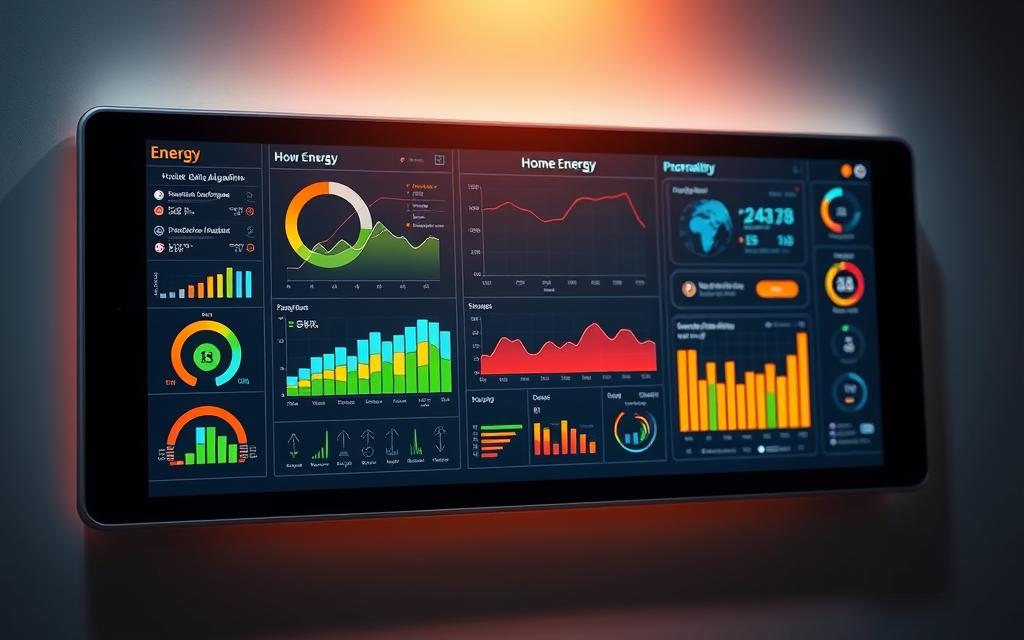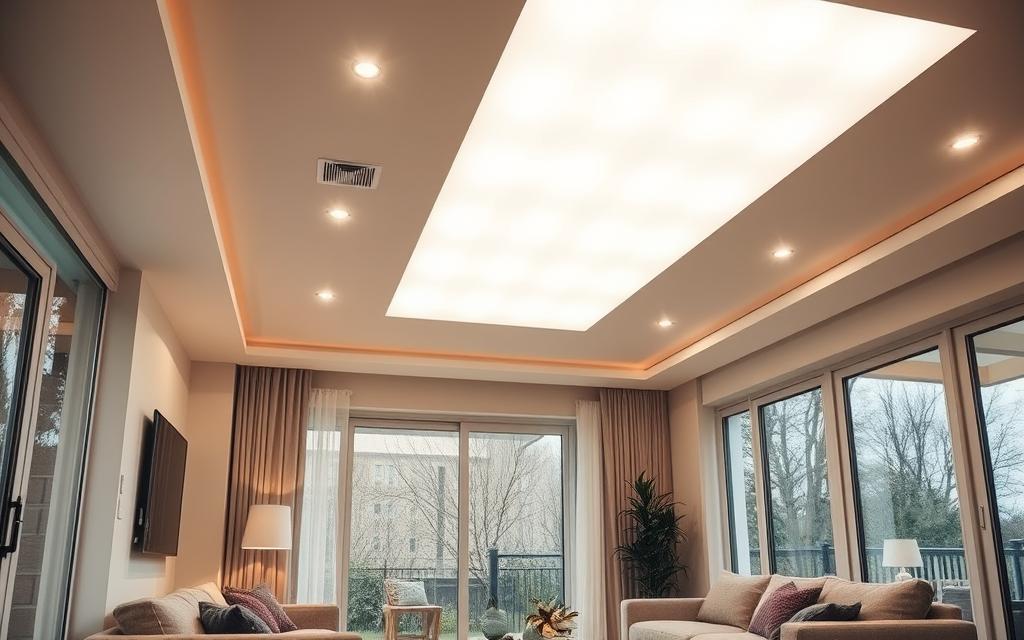
In today’s world, where environmental concerns are more pressing than ever, energy efficiency has become a key priority for homeowners. Whether you’re looking to reduce your utility bills or lower your carbon footprint, implementing tips for energy efficiency at home can make a significant difference. From small adjustments like switching light bulbs to more comprehensive changes such as upgrading heating systems, every action contributes to a more sustainable lifestyle. This article explores practical and simple tips for energy efficiency that can be easily applied to your household, helping you save money while protecting the planet. Tips for Energy Efficiency: Start with Insulation Insulation is one of the most effective tips for energy efficiency that many people overlook. Proper insulation in your home ensures that heat stays inside during winter and doesn’t escape during summer, reducing the need for excessive heating or cooling. Inspect your attic, walls, and floors for gaps or damaged insulation, and consider upgrading to materials like fiberglass, foam, or cellulose if necessary. These materials are known for their ability to trap air, which acts as a natural barrier against temperature changes. A common mistake is neglecting to seal windows and doors, which can lead to significant energy loss. Use weatherstripping and caulk to close any cracks or gaps where cold air might enter. Additionally, installing double-glazed windows can improve thermal performance, as the second layer of glass provides better insulation than single-pane windows. Opt for window films that reduce heat transfer, especially if you live in a region with extreme temperatures. Another simple tip for energy efficiency is to check your insulation in the crawl space or basement. If these areas are poorly insulated, they can cause your heating and cooling systems to work harder, leading to higher energy consumption. Adding insulation to these zones can prevent drafts and maintain a more stable indoor climate. Don’t forget about insulating your water heater and pipes, as these can help retain heat and reduce energy waste. Seal and Insulate Gaps Effectively Even the smallest gaps can have a big impact on your energy efficiency. Use foam sealant or expanding foam to fill holes around electrical outlets, plumbing pipes, and HVAC vents. These areas are often forgotten but can be major sources of energy leakage. Install door sweeps on exterior doors to block drafts and add weatherstripping to doors and windows for a tighter seal. Check for insulation in your ductwork if you have a forced-air heating or cooling system. Ducts that are not properly insulated can lose up to 30% of the energy they carry, making your system less efficient. Consider insulating your attic floor with rigid foam boards or spray foam insulation to prevent heat from escaping through the ceiling. This is particularly important in older homes where insulation may have deteriorated over time. Improving insulation in your walls can also be a game-changer. If you’re planning renovations, adding insulation between wall cavities is a cost-effective way to enhance energy efficiency. For existing homes, installing insulation panels or using batt insulation can be done without major disruptions. Regular maintenance of your insulation is equally crucial, as compressed or damp insulation can lose its effectiveness over time. Optimize Your Lighting System with Energy-Saving Tips Lighting accounts for a considerable portion of household energy use, making it a prime area to apply tips for energy efficiency. Replacing traditional incandescent bulbs with LED or CFL bulbs is one of the simplest and most impactful changes you can make. LEDs use up to 75% less energy than incandescent bulbs and last significantly longer, reducing the frequency of replacements. Install motion sensors or timers in areas like entryways, hallways, and storage rooms to ensure lights are only on when needed. This not only saves energy but also extends the lifespan of your bulbs. Consider using smart lighting systems that can be controlled via a smartphone or voice assistant. These systems often include features like scheduling, dimming, and adaptive brightness, which can further enhance energy efficiency. Natural light should also be a key component of your lighting strategy. Maximize the use of daylight by using light-colored curtains or blinds that allow sunlight to enter while minimizing heat gain. Position mirrors strategically to reflect light into darker areas of your home, reducing the need for additional lighting. Switching to daylight bulbs can also help mimic natural light, making your space feel brighter without using as much electricity. Use Energy-Efficient Lighting Solutions When choosing new lighting fixtures, prioritize energy-efficient designs such as recessed lighting, track lighting, or LED strip lights. These options are not only more efficient but also provide better illumination compared to traditional lamps. Avoid using multiple light sources for the same area, as this can increase energy consumption. Instead, use task lighting where needed and keep general lighting to a minimum. Replace old lighting systems with modern, energy-saving alternatives. For example, switching from halogen to LED lighting can drastically reduce your electricity bill. Additionally, installing dimmer switches allows you to adjust the brightness of your lights according to the time of day or activity, saving energy without compromising on lighting quality. Regularly clean your light fixtures to ensure they operate efficiently. Dust buildup can reduce light output and cause your bulbs to work harder, increasing energy use. Using energy-efficient lighting in outdoor areas like patios or driveways is also essential. Solar-powered lights or low-energy motion sensor lights can provide illumination without relying on the grid, making them an excellent choice for energy efficiency. Upgrade Appliances to Improve Energy Efficiency Appliances such as refrigerators, washing machines, and air conditioners are major energy consumers in the home. Upgrading to energy-efficient appliances is a smart investment that can pay off in the long run. Look for the Energy Star label when purchasing new devices, as these appliances meet strict energy efficiency guidelines set by the U.S. Environmental Protection Agency. Older appliances often use more energy than their modern counterparts. For example, a 10-year-old refrigerator can use up to 50% more electricity than a new Energy