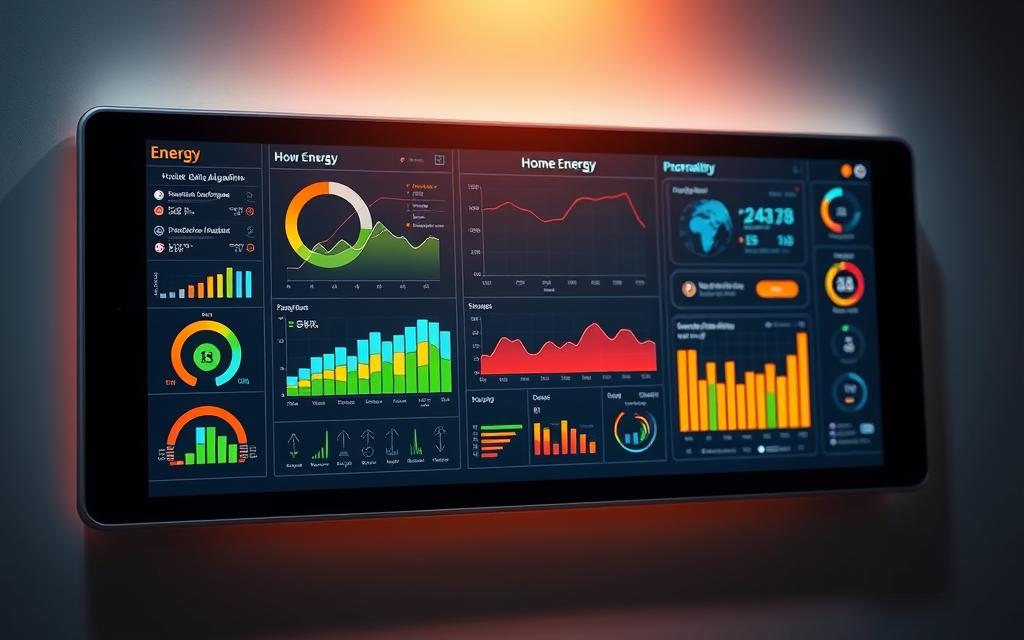
The transition to sustainable power is no longer a distant goal but an urgent necessity as the world grapples with climate change, energy scarcity, and the need for cleaner alternatives. Traditional energy systems, which rely on centralized power generation and static distribution networks, are being replaced by smart energy systems that leverage advanced technologies to create more efficient, resilient, and adaptive energy infrastructures. These systems integrate Internet of Things (IoT) devices, artificial intelligence (AI), and real-time data analytics to optimize energy production, consumption, and storage. As the demand for renewable energy grows, smart energy systems are playing a pivotal role in reshaping the energy landscape, enabling a shift toward decentralized, data-driven, and environmentally friendly power solutions. This transformation is not only improving energy access but also reducing carbon footprints and fostering innovation across industries. The Rise of Smart Energy Systems The concept of smart energy systems has evolved from a theoretical idea to a practical reality, driven by advancements in digital technology and the increasing need for sustainable energy. Unlike conventional energy grids that operate in a one-way manner, smart energy systems allow for two-way communication between energy producers, consumers, and the grid itself. This bidirectional flow of information enables dynamic adjustments to energy distribution, reducing waste and improving reliability. The integration of smart meters, sensors, and cloud-based platforms has made it possible to monitor energy usage in real time, predict demand patterns, and automate responses to fluctuations in supply. One of the key innovations in smart energy systems is the use of IoT-enabled devices that collect and transmit data about energy consumption. These devices, often embedded in smart homes, businesses, and industrial facilities, provide granular insights into how and when energy is being used. For example, a smart thermostat can adjust heating and cooling systems based on occupancy patterns, while smart streetlights can dim or brighten according to traffic and weather conditions. This level of precision not only lowers energy bills but also minimizes the strain on the grid during peak hours. Another significant component of smart energy systems is the adoption of artificial intelligence (AI) to enhance decision-making processes. AI algorithms analyze vast amounts of data to identify trends, forecast energy needs, and optimize the performance of renewable sources such as solar panels and wind turbines. By integrating AI with machine learning, these systems can adapt to changing conditions, such as sudden weather shifts or unexpected energy outages, ensuring a steady supply of power. This adaptability is crucial for addressing the challenges of intermittent energy generation and energy storage, which have long been obstacles in the transition to renewable energy. Revolutionizing Renewable Energy Integration The integration of smart energy systems into the renewable energy sector has been a game-changer, allowing for the seamless incorporation of solar power, wind energy, and hydropower into the grid. Historically, renewable sources faced limitations due to their variability and the difficulty of storing excess energy. However, smart energy systems have introduced solutions that balance supply and demand in real time, reducing the risk of energy shortages and improving overall efficiency. A core feature of this transformation is the use of smart grids, which are advanced electrical grids that use digital technology to monitor and manage the flow of energy. These grids enable dynamic load balancing, ensuring that energy from renewable sources is distributed effectively across regions. For instance, during periods of high solar energy production, smart grids can redirect surplus power to storage facilities or areas with higher demand, preventing waste. Conversely, when solar output drops due to cloud cover, the grid can automatically switch to other sources, such as battery storage systems or wind farms, without disrupting the supply. This flexibility is essential for achieving a reliable energy mix and reducing reliance on fossil fuels. Moreover, smart energy systems facilitate demand response mechanisms, which allow consumers to adjust their energy usage based on real-time pricing and availability. This is particularly important for integrating intermittent renewable sources into the grid. For example, smart appliances can be programmed to operate during off-peak hours when energy is cheaper and more abundant, reducing the overall strain on the grid. Such innovations not only make renewable energy more viable but also encourage consumer participation in the energy transition. By giving users control over their consumption, smart energy systems promote a culture of sustainability and efficiency. Enhancing Energy Efficiency and Reducing Waste Energy efficiency has long been a critical factor in reducing environmental impact and lowering operational costs. Smart energy systems are revolutionizing this aspect by enabling real-time monitoring, predictive maintenance, and automated optimization of energy use. These systems collect data from various sources, including smart meters, sensors, and smart appliances, to identify inefficiencies and suggest improvements. For instance, smart meters provide detailed information about energy consumption patterns, allowing users to track their usage and make informed decisions. This transparency is a major step forward from traditional meters, which only offered a monthly reading. With smart energy systems, households and businesses can receive personalized energy reports that highlight areas of high consumption, such as HVAC systems or electrical lighting, and recommend ways to reduce waste. In some cases, these systems can automatically adjust settings to minimize energy use without compromising comfort or functionality. In industrial settings, smart energy systems have proven to be even more impactful. By integrating AI-driven analytics, these systems can predict equipment failures and optimize maintenance schedules, reducing downtime and energy waste. For example, smart manufacturing plants use data-driven algorithms to monitor the performance of machinery and adjust operations to match demand. This not only improves efficiency but also lowers carbon emissions, as energy-intensive processes are fine-tuned to use only what is necessary. Such advancements are critical for achieving carbon neutrality goals and ensuring that energy resources are used sustainably. Overcoming Challenges and Expanding Opportunities While smart energy systems offer numerous benefits, they also present challenges that must be addressed to ensure their widespread adoption. One of the primary concerns is the initial cost of implementing these technologies. Upgrading infrastructure with smart meters, IoT

Top Energy-Saving Home Projects to Cut Bills & Boost Efficiency
Energy-saving home projects have become increasingly popular as homeowners seek ways to reduce utility bills and minimize their environmental impact. With rising energy costs and growing awareness of climate change, it’s no surprise that many are investing in sustainable upgrades that not only save money but also improve the overall efficiency of their living spaces. Whether you’re looking to lower your electricity consumption or cut down on heating and cooling expenses, there are numerous energy-saving home projects that can make a tangible difference. From simple fixes like sealing air leaks to more advanced installations such as solar panel systems, these initiatives offer a range of benefits, including long-term cost savings, increased property value, and a greener lifestyle. This article explores some of the top energy-saving home projects that can help homeowners boost efficiency while making their homes more comfortable and eco-friendly. Insulation and Weatherproofing One of the most effective energy-saving home projects is improving insulation and weatherproofing. Insulation acts as a barrier against heat loss in winter and heat gain in summer, significantly reducing the workload on heating and cooling systems. According to the U.S. Department of Energy, proper insulation can save homeowners up to 20% on heating and cooling costs. This makes it a top priority for anyone looking to boost efficiency and cut bills. Sealing Air Leaks Air leaks are a common culprit behind wasted energy. Small gaps around windows, doors, and even electrical outlets can allow conditioned air to escape, forcing your HVAC system to work harder. To cut bills, start by inspecting your home for visible cracks or unsealed gaps. Use caulking or weatherstripping to close these openings, which can boost efficiency by up to 10%. Additionally, check for drafts under doors by using a lit candle or incense stick—if the flame flickers or the scent moves, it’s a sign of air leakage. Upgrading Insulation If your existing insulation is outdated or insufficient, upgrading it is a bold step toward energy-saving home projects. Focus on areas like the attic, walls, and floors, which are major sources of heat loss. Fiberglass, cellulose, and spray foam are popular materials for insulation upgrades. Each has its own advantages and drawbacks. For example, spray foam insulation offers superior energy efficiency but can be more expensive upfront. Cellulose insulation is eco-friendly and cost-effective, making it a smart choice for budget-conscious homeowners. Installing Storm Windows Storm windows are a cost-effective solution for boosting efficiency in older homes. These secondary windows fit over existing ones, creating an additional layer of insulation that reduces heat transfer. In colder climates, storm windows can cut energy usage by up to 25%, while in warmer regions, they help keep indoor temperatures stable. Pair them with double-glazed windows for maximum energy efficiency. This energy-saving home project is especially beneficial for homes with single-pane windows, as it can reduce bills without requiring a complete window replacement. Renewable Energy Systems Investing in renewable energy systems is a bold move for energy-saving home projects. These systems harness natural resources like sunlight, wind, and geothermal heat to cut bills and boost efficiency. Unlike traditional energy sources, renewable energy systems produce clean power, reducing reliance on fossil fuels and lowering carbon footprints. Solar Panels Solar panels are one of the most popular energy-saving home projects. By installing solar panels on your roof, you can generate electricity from sunlight, cutting your monthly utility costs significantly. According to the National Renewable Energy Laboratory, homes with solar panels can save up to $100 per month on energy bills. Additionally, excess energy generated can be stored in batteries or sold back to the grid, further boosting efficiency. Solar water heaters are another energy-saving home project that reduces heating costs by up to 50% in some cases. Wind Turbines For homes in windy areas, installing a wind turbine is an energy-saving home project that can cut bills dramatically. A small turbine can generate enough electricity to power a single-family home, depending on the local wind conditions. While <strong>wind turbines</strong> require <strong>significant upfront investment</strong>, they offer <strong>long-term savings</strong> and <strong>reduced dependence on the grid</strong>. Micro wind turbines are a practical option for homes with sufficient space and consistent wind exposure. Geothermal Heating Geothermal heating systems are a cutting-edge energy-saving home project that boost efficiency by utilizing the stable temperature of the earth. Unlike traditional heating systems, geothermal systems draw heat from underground reservoirs, making them energy-efficient and eco-friendly. These systems can <strong>reduce heating costs</strong> by up to 60% and <strong>cut cooling expenses</strong> by around 40%. While geothermal systems are expensive to install, their long-term benefits often outweigh the initial investment. Smart Home Technology Smart home technology is a game-changer for energy-saving home projects. These modern systems allow homeowners to monitor and control energy usage in real time, cut bills, and boost efficiency through automation and data-driven insights. Smart Thermostats A smart thermostat is one of the most impactful energy-saving home projects. Unlike traditional thermostats, these devices learn your habits and adjust heating and cooling schedules automatically. For example, a smart thermostat can <strong>turn off the HVAC system</strong> when you’re away or <strong>lower the temperature</strong> during the night to <strong>save energy</strong>. Studies show that smart thermostats can reduce heating and cooling costs by up to 15%. Energy-Efficient Appliances Upgrading to energy-efficient appliances is a straightforward energy-saving home project that boosts efficiency without requiring major renovations. Look for appliance labels with the Energy Star certification, which ensures reduced energy consumption compared to standard models. Replacing an old refrigerator with a <strong>Energy Star-rated one</strong> can save hundreds of dollars over its lifetime. Energy-efficient washing machines, dishwashers, and dryers also contribute to lower utility bills and greener living. Smart Lighting Smart lighting systems are a cost-effective energy-saving home project that cuts bills and boosts efficiency. These systems allow you to control lighting remotely and set schedules for automatic on/off times. LED bulbs<strong>, paired with </strong>smart switches<strong>, can </strong>reduce electricity use<strong> by up to 80% compared to </strong>incandescent lights<strong>. Motion sensors and smart bulbs with color temperature control are additional features that enhance